4 Ways QR Codes are Used The Most in Norway

Key Takeaways
- QR codes are fairly popular in Norway
- Codes can be used in the region to view restaurant menus, access websites, pay for goods, and more
- Codes can make it easier to interact with tourist attractions and certain locations
Norway is a country known for its staggering sights and natural beauty. Folks from all over the globe come to see such sights as the northern lights, the western fjords, and the mountains of the east, as well as towns like Oslo and Stavanger.
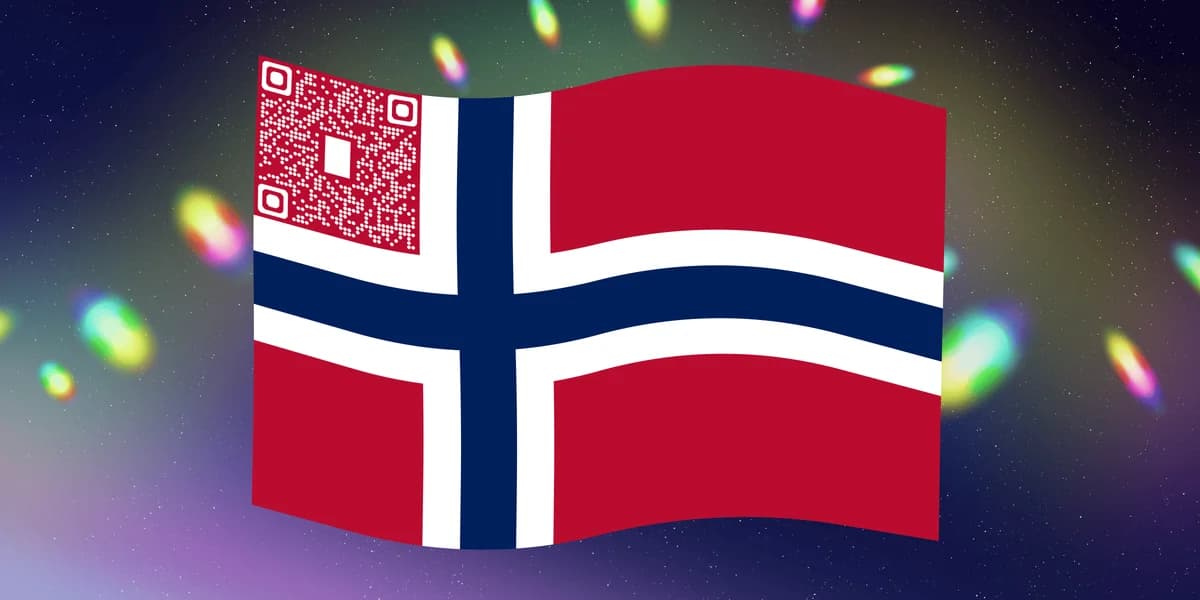
But did you know that QR code usage has been increasing in the region? Everyday, more and more Norwegian citizens and business owners are integrating QR codes into daily life, becoming a staple of modern living for both tourists and locals.
In this piece I will go over four of the most popular ways QR codes are used in the country as well as provide tips on how to get the most out of your own QR codes and answers to frequently asked questions on the topic.
So let’s get the journey started!
What is a QR code?
A QR code is a type of encoded image containing data within a monochrome, usually square, design that can be scanned by a smart device like a phone or tablet. Scanning these codes can allow you to access a variety of online and digital content, like text files, WiFi logins, social media accounts, and much more.
The technology is similar to that of a UPC barcode that you might see on a product in a grocery store, but QR codes are far more advanced and able to store much more data. They can easily be made and customized by yourself through a service like QR Code Developer, can be tracked, monitored, and affixed to just about any sticker, flier, poster, or card.
How are QR codes used in Norway?
While QR codes are not as popular in Scandinavian countries as they are in the United States or Asia, Norwegians have found clever uses for these little codes that make life in the frigid region just a little bit easier.
Here’s four of the most popular uses for QR codes in the country:
Payment
One of the most common uses of QR codes worldwide, as well as in Norway, is as an easy method for exchanging currency between both individuals and companies. Carrying physical cash has become less common in the modern age, with most preferring to use a bank card or pay for goods and services through other digital means.
A QR code set up on a store counter or pulled up on another device can allow users to transfer funds digitally without even needing to pull out a bank card. Everything is all handled through the smart phone, making it far easier to both send and receive payments.
Travel and tourism
QR codes have eased the burden of travel in Norway in a few different ways. Expanding on the previous topic, conversion of local transferred currency can be done through QR code payment methods, meaning you won’t have to get local bills or pay extra to have the service done.
QR codes are also used in public transportation throughout the region, making it easier to access maps and acquire tickets on a bus or train. Extra information on certain tourist attractions, like Western Fjords or the Stavanger region, can be accessed through a simple scan of a QR code.
Restaurant menus
Use of traditional printed menus have fallen in Norway in favor of digital ones accessed through QR codes. These allow restaurant goers to instantly access up to date menus on their own devices and even have them translated through their apps if they don’t read Norwegian.
Web links
Perhaps the most common usage of QR codes in the western world, Norway very much included, is as an easy way to share and access online content through URL links. This type of code can be made for just about any form of online content, including full web pages, social media accounts, videos on Youtube or TikTok, share links for cloud storage files, and much more.
General tips for making QR codes
Know your audience: If you’re certain that most of your intended audience doesn’t know how to use QR codes or just don’t like them, then don’t use them.
Keep instructions clear: Provide clear instructions on how to use and scan QR codes as well as where the codes will redirect to.
Place codes on a flat surface: To make sure that codes are still scannable, only put them on flat surfaces, like walls, tables, posters, or fliers.
Use high contrast: If using custom colors on a code, make sure that the colors are distinct enough from each other to be read as a QR code.
Make sure codes are visible: Don’t place codes where patrons are unlikely to see them.
Only use codes when necessary: If an alternative exists that’s easier for all parties involved, use that.
Test on multiple devices: Make sure your codes work whether scanned on an Android device, iPhone, tablet, or other device.
Frequently Asked Questions
Q: Do I need to hire someone to make my QR codes?
A: No. QR codes can be made by yourself for free through a service like QR Code Developer.
Q: Do I need to download anything to scan QR codes?
A: While QR scanner apps are available for mobile devices, they are not necessary. Most modern smart devices are perfectly capable of scanning codes right from the built-in camera app.
Q: What devices can scan QR codes?
A: Most modern smart devices with both a built-in camera and an internet connection can scan QR codes and access the content within. This includes smart phones, tablets, and even some handheld gaming consoles.
Q: Are QR codes safe?
A: While there are some risks in using QR codes, they are relatively safe.
Ready to create your QR code?
Generate custom QR codes in seconds - free and easy to use.
Create Free QR Code →