How QR Codes are Helping the Tourism Industry


In this piece, I’ll explain how QR codes are helping the tourism industry in various ways.
What is a QR code?
device, or more commonly, a smart device like a phone or tablet. They’re similar to UPC barcodes, but are able to contain much more data.
These codes can be used to share things like videos, social media pages, event check in, images, web addresses, payment information, educational content, and so much more. QR codes are also easy to make on your own and can be done so through a service like QR Code Developer.
You can find QR codes on just about anything that can display a picture, like on posters, stickers, flyers, signs, or in advertisements. You may have even already encountered a QR code today!
QR Code Applications in Tourism
Quick Information Access
Historical sites and landmarks will often use QR codes to offer detailed information and audio guides in multiple languages. Visitors can learn about attractions or the site’s history in the language they are most comfortable in.
Restaurant Menus and Ordering
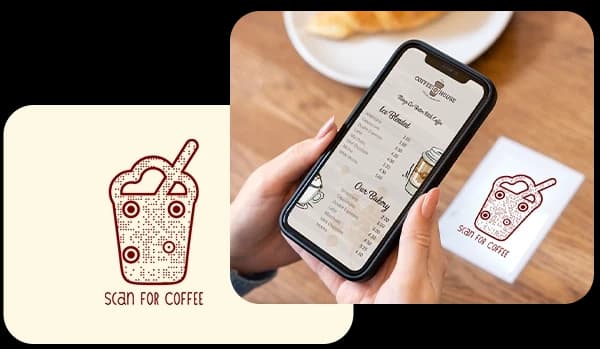
Restaurants worldwide now use QR codes to provide digital menus. Eliminating the need to re-print the menus every time there’s a change.
Many modern restaurants also offer the “scan to order” service. In these restaurants, customers can scan a QR code to place orders directly from their table. This system makes dining very convenient, particularly for tourists struggling with the language barrier.
Digital Tickets for Attractions
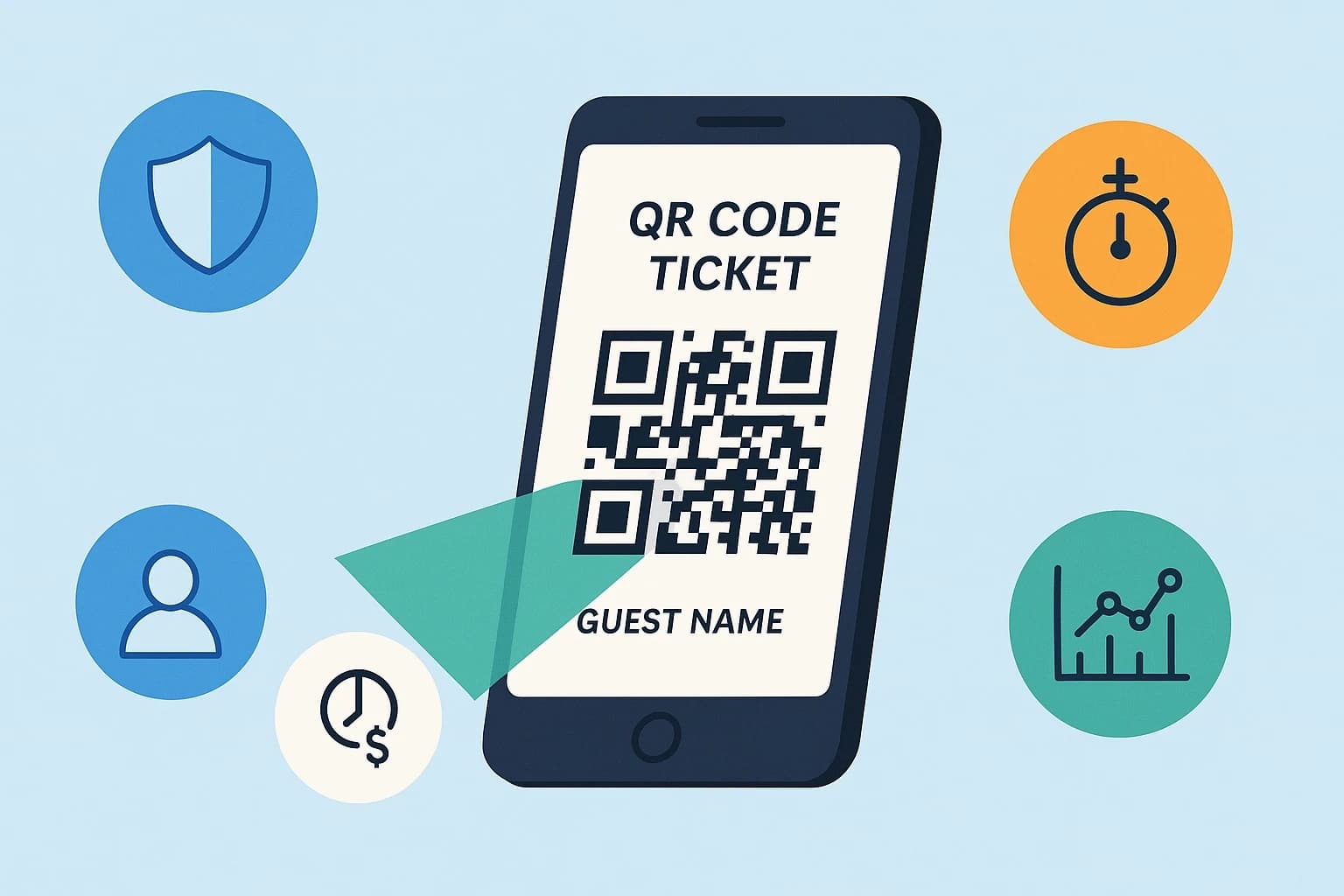
Many public attractions, like museums, theme parks, and public transport systems globally, have adopted QR code-based ticketing systems. QR code tickets help them provide a better travel experience by ensuring faster entries and better crowd management.
They also ensure lower ticket production costs by eliminating physical tickets.
Payments

QR code payment systems are common worldwide, especially in Asian countries, like Japan and China. They offer a simple, secure, and contactless way to make or receive payments. Countries are developing low-cost technologies like BHARAT QR that eliminate the use of traditional POS terminals, making QR transactions even more straightforward.
In countries like China, India, and Singapore, international tourists can now use the country’s sophisticated QR payment systems after a simple verification process. This makes a tourist’s travel experience easier, as they no longer have to carry physical cash or worry about different currencies.
Events Details and Booking
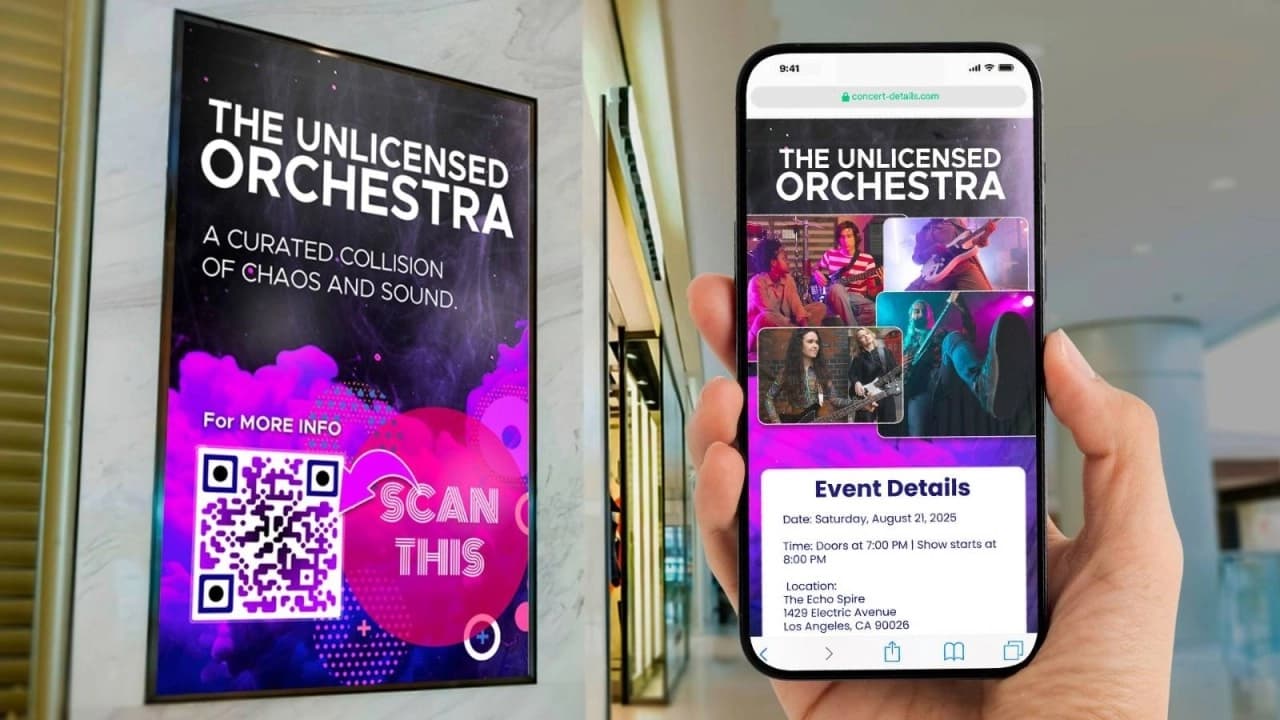
Countries have strategically integrated QR technology into their tourism infrastructure, making local events or activities more accessible than ever. For example, QR codes at the national parks can be used to access maps.
Tourists can easily visit official websites to get the QR code to access real-time local event details and book tickets quickly. This frees travelers from visiting multiple websites or waiting in line at ticket counters, giving them more time to enjoy their trips.
Easy Feedback Collection
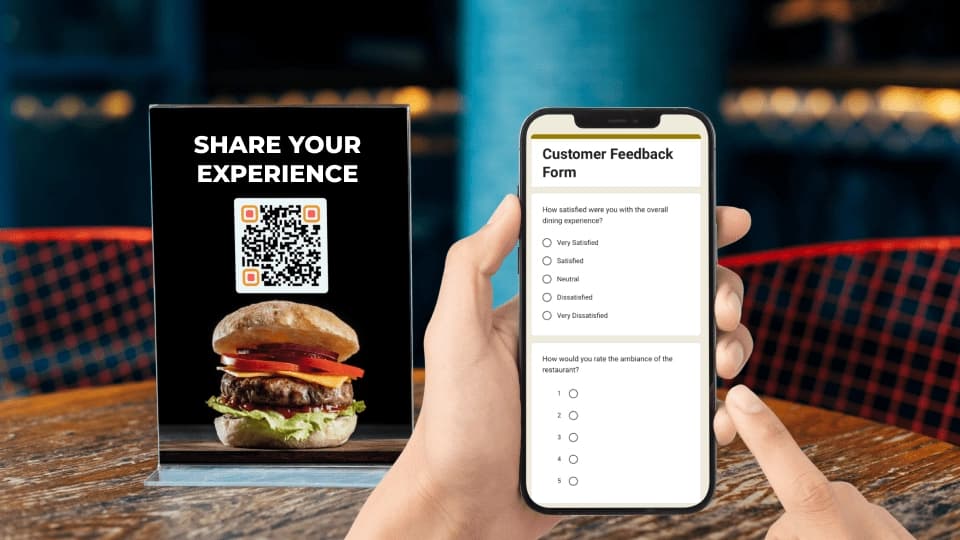
Hotels, restaurants, and tourist attractions can easily gather feedback through QR codes. This can help businesses improve their services while allowing travelers to share their opinions on various attractions and venues. To learn how to collect feedback and reviews through a QR code, check out our piece here on creating codes for Google Reviews.
These are just a few of the many applications of QR codes in the tourism industry that make traveling convenient for tourists and local businesses.
Real-World Examples of QR Codes in Tourism
QR codes are highly adopted in the tourism Industry, benefitting both businesses and tourists. Here are some real-life examples:
- The Louvre in Paris, France, has now integrated QR into its ticket system. This enhanced system ensures both faster entries and security. Click here to learn more about the process.
- Biggest music festivals like Coachella in the USA have integrated QR codes into many fun activities. For example, visitors could access Coachella Quest, a free-to-play online game, by simply scanning a QR code at the festival arena. The winners were awarded merch, golden passes, and guest passes for the next year.
- Restaurants and hotels across the globe use QR codes for food menus and other services.
- Singapore has launched an advanced immigration system that does not require travelers to present their passports at checkpoints. Instead, you just need a QR code generated through the official ICA (Immigration & Checkpoints Authority) app. Click here to learn more about Singapore’s simplified Immigration process.
- Concerts and events across the globe now use QR code bands for easy entry.
QR codes are thriving in this tourism Industry. If you wish to integrate QR codes into your business, use QR Code Developer to generate dynamic code with just a few clicks.
Important tips
- Be cautious about scanning codes from unofficial or suspicious sources in public. Click here to learn more about QR Code safety.
- Ensure your phone has an in-built QR scanner, or download a reliable QR code scanner. Click here to learn how to scan a QR code from a photo.
- Check the URL before clicking to avoid phishing links.
- Keep your phone charged, and make sure your phone is connected to a secure network.
- Save necessary QR codes in the phone offline.
- Enable two-factor authentication or security passcode system for QR code payments.
- Avoid downloading any files from QR codes displayed in public.
Conclusion
QR codes are an essential tool for modern travelers. They've simplified many aspects involved in traveling, from booking tickets to accessing information. Along with the tourist, QR codes also work in favor of businesses by providing them with crucial scan analytics and simplifying various operations for them and their customers.
The future of travel is increasingly digital, and QR codes are making exploration smoother and more convenient.
Ready to create your QR code?
Generate custom QR codes in seconds - free and easy to use.
Create Free QR Code →