10 Helpful tips for QR codes on signs and posters

Key Takeaways
- QR codes require special care to the visible design to remain scannable
- Codes can be added to just about any printed media
- It's important to keep your audience in mind when using QR codes
So you have the perfect QR code, and you want to place it on a poster, flyer, or other form of printed media, but you're not quite sure how to start. Images on screens can often look different when printed out, and there's a number of other practices you want to follow when printing codes.
It can be confusing, but you've come to the right place! In this guide I will go over the best practices and tips to keep in mind when printing a QR code on a poster or flyer. I'll also go over some other helpful information and answer frequently asked questions on the subject.
So let's dive right in!
What is a QR code?
A QR code is a type of encoded image that can be used to provide an easy access point to a variety of digital content, including URL links, social media pages, videos, images, text documents, contact information, and just about anything you can find online.
How can QR codes be used on signs and posters?
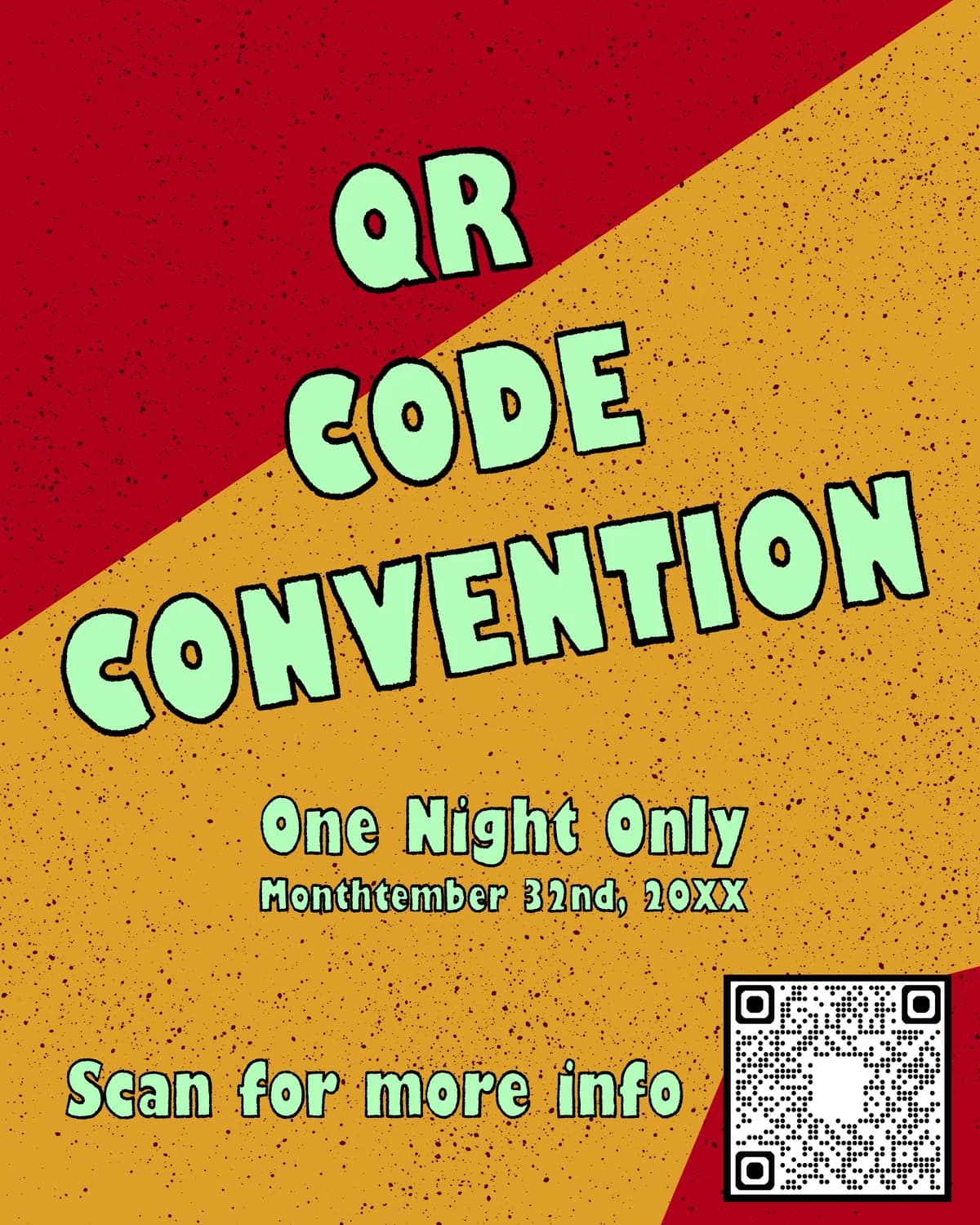
A QR code can be generated and then printed on to a poster, flyer, sticker, or any other form of printed media to provide potential customers with an easy way to access digital content from physical media.
For example; a promotional flyer can be made to promote an online store. A QR code can be placed on the flyer that would allow passersby to access the online store the second they see the flyer. This way, you don't have to risk potential customers seeing your flyer and forgetting about it by the time they get a chance to look up your store.
QR code benefits
Ease of use
QR codes are both easy to use and easy to make through something like QR Code Developer. Just about every smart phone on the market has a QR code scanner built right in. All you need to do is point the camera at the code and tap the link when it pops up.
QR codes can also be scanned from almost any angle and even when visible damage has been done to the code.
Widely understood
By now, most people with smart phones are at least familiar with QR codes and know how to use them. In many regions, QR code payment is more popular than cash or cards.
Customizable
QR codes can be heavily customized, with unique colors and appearances to fit your needs or branding.
Hands free communication
The usage of QR codes surged during the COVID 19 pandemic since it allowed for people to communicate with each other, access content, and share resources, all without needing to touch each other or even be in the same space.
Trackable
If you use something like QR Code Developer to make your codes, then it's possible to monitor how your codes are used. This can include information like how many scans your code got, where they were scanned, and even on what device they were scanned.
Monitoring code usage
With the tools available on QRCodeveloper, as well as other code generators, you can monitor the usage of any code you create. This can include how many times a code has been scanned, where it has been scanned, on what device, using what browser, and more. With these tools, you can figure out which codes are reaching the most people and where to focus any advertising efforts.
With QRCodeveloper you can monitor:
• Number of scans
• Number of scans by operating system
• Scans by browser
• Scans by country
• Scans by city
• Scans by language
• Unique scans
Tips on making QR codes for signs and posters
Know your audience: If you're certain that most of your intended audience doesn't know how to use QR codes or just don't like them, then don't use them.
Keep instructions clear: Provide clear instructions on how to use and scan QR codes as well as where the codes will redirect to.
Place codes on a flat surface: To make sure that codes are still scannable, only put them on flat surfaces, like walls, tables, posters, or fliers.
Use high contrast: If using custom colors on a code, make sure that the colors are distinct enough from each other to be read as a QR code.
Customize your codes: Edit the appearance of your codes to match your brand. If there's a specific color scheme the brand uses, try to get as close to that as possible.
Use social media logos: If you are linking to a specific social media page, place the logo for that specific service in the center of the code.
Make sure codes are visible: Don't place codes where patrons are unlikely to see them.
Test print: Make sure you run at least one test print before doing a batch. Images can look different on a computer screen than on printed media.
Only use codes when necessary: If an alternative exists that's easier for all parties involved, use that.
Test on multiple devices: Make sure your codes work whether scanned on an Android device, iPhone, tablet, or other device.
Frequently Asked Questions
Do I need to hire someone to make my QR codes?
No. QR codes can be made by yourself for free through a service like QR Code Developer.
Do I need to download anything to scan QR codes?
While QR scanner apps are available for mobile devices, they are not necessary. Most modern smart devices are perfectly capable of scanning codes right from the built-in camera app.
What devices can scan QR codes?
Most modern smart devices with both a built-in camera and an internet connection can scan QR codes and access the content within. This includes smart phones, tablets, and even some handheld gaming consoles.
Are QR codes safe?
While there are some risks in using QR codes, they are relatively safe.
Ready to create your QR code?
Generate custom QR codes in seconds - free and easy to use.
Create Free QR Code →