6 Ways Artists Can Creatively Use QR Codes

Key Takeaways
- Artists and content producers can use QR codes in all sorts of creative ways
- QR codes provide a bridge between physical media and digital content
- Codes can be customized to fit an artists' needs
The digital age has drastically transformed the world of art and entertainment. No longer do artists have to find a wealthy patron to fund their works or hope a museum decides to display their pieces. Now, much of the art world exists online, and artists can reach new audiences all with a simple upload.
However, this new art world also comes with its own challenges. It can still be difficult to get discovered, especially with so many artists now able to freely publish their works. Fortunately, creative use of QR codes can greatly aid an artist in their endeavors.
In this piece I will go over 6 different ways artists and creatives can use QR codes both in their art and for networking purposes. So let’s get on with the show!
What is a QR code?
A QR code is a type of image containing data that can be scanned and accessed by a smart device, like a phone or a tablet. These codes typically appear as small squares made up of even smaller monochrome black and white squares, though they can be heavily customized and appearances can vary widely.
These codes can be used on just about any surface that you can print or display a picture on, like a card, flyer, poster, sticker, or just about any type of visible advertisement. They can be used as an easy way to share and access things like websites, contact information, social media pages, images, videos, text documents, parcel tracking, and more!
How can artists make use of QR codes?
Skilled artists can use QR codes in all sorts of ways to provide additional resources, services, and unique experiences to their audience. Just like any tool in an artists’ kit, the only limit is your own imagination.
Below are just some examples of how artists can make creative use of QR codes:
Networking
You could have the best art in your area, but it doesn’t matter if no one can see it or even knows who you are. In the modern age, who you know can be just as important as what you know, perhaps even more so.
This is why a QR code linking to your email, phone number, or any other form of content you have would be wise to make and include with your art. This way you can get your art seen by more people, create more connections, and gain access to more valuable resources.
Portfolio
Expanding on the previous point, someone could see one of your pieces online or in a gallery and want to see more of your work, or perhaps even try to understand your goals as an artist.
This is why it would also be smart to make a QR code linking to your online portfolio, whether it be on Squarespace, Wordpress, DeviantArt, or Behance.
Social media
Social media services like Facebook, TikTok, Twitter/X, and Instagram, are one of the top ways artists and creators are discovered in the modern age. They also make it so you don’t have to display your work in a museum or gallery to get noticed.
QR codes can easily be made for any of these social media services and more!
Interactive experiences
Did you know it’s possible to use QR codes to make your art interactive? For example: you can include a code on or near your piece that brings up a sort of scavenger hunt where viewers can look for hidden things in your piece.
Even more can be done with proper creativity and elaborate game type experiences, often called alternate reality games, can be created that turn passive viewers of art into active participants.
Donation and fund raising
Being an artist full time can be expensive. On top of basic living amenities, you also have to pay for supplies and resources required to create.
Luckily, you can set up a QR code for a donation page, like a Patreon or Ko-Fi, that can let your audience donate funds that allow you to keep providing your art.
Additional information for pieces
Some works of art either benefit greatly or rely entirely on additional context. Like if you have a sculpture inspired by a historical event or a portrait of a person close to your heart.
With a QR code, you can provide this additional context, whether it be through a website, video, or text document explaining the significance to the piece.
Code customization
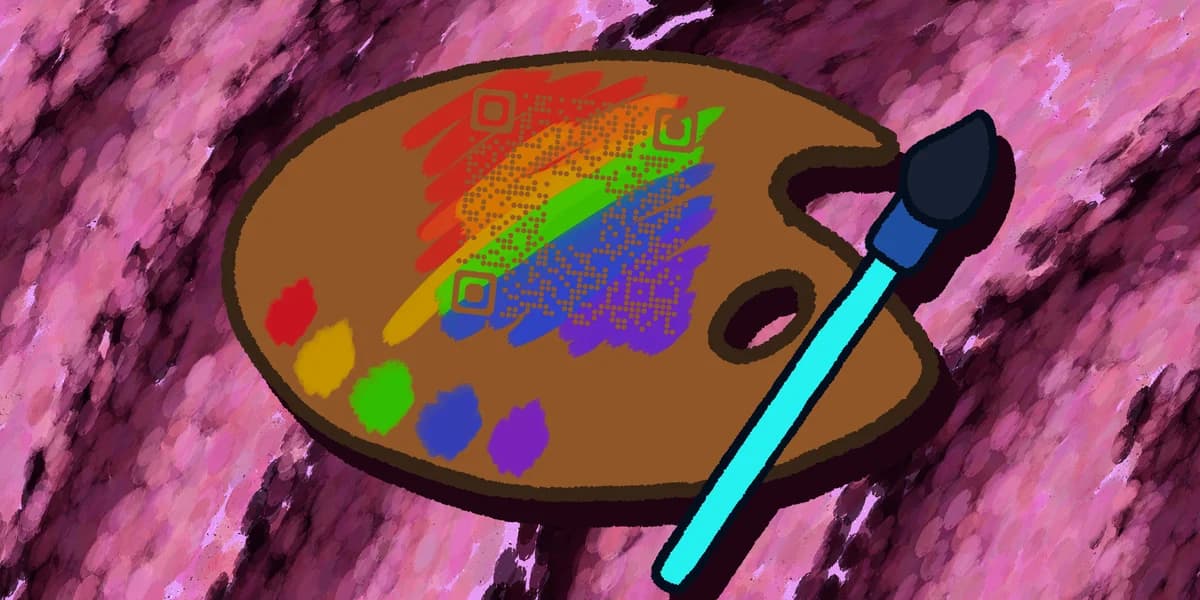
QR codes can provide a lot for artists, but they often aren’t too visually appealing. Most appear as small squares made of smaller black and white squares, like a jumbled up chess board. This can clash with some designs or just not fit in with an artist's aesthetic or brand.
• Size
• Colors
• Logos
• Borders
• Surrounding text/designs
• Backgrounds
Benefits of using QR codes for art
Ease of use
QR codes are both easy to use and easy to make through something like QR Code Developer. Just about every smart phone on the market has a QR code scanner built right in. All you need to do is point the camera at the code and tap the link when it pops up.
Widely understood
By now, most people with smart phones are at least familiar with QR codes and know how to use them. In many regions, QR code payment is more popular than cash or cards.
Customizable
QR codes can be heavily customized, with unique colors and appearances to fit your needs or branding.
Hands free comunication
The usage of QR codes surged during the COVID 19 pandemic since it allowed for people to communicate with each other, access content, and share resources, all without needing to touch each other or even be in the same space.
Trackable
If you use something like QR Code Developer to make your codes, then it’s possible to monitor how your codes are used. This can include information like how many scans your code got, where they were scanned, and even on what device they were scanned.
General tips
Know your audience: If you’re certain that most of your intended audience doesn’t know how to use QR codes or just don’t like them, then don’t use them.
Keep instructions clear: Provide clear instructions on how to use and scan QR codes as well as where the codes will redirect to.
Place codes on a flat surface: To make sure that codes are still scannable, only put them on flat surfaces, like walls, tables, posters, or fliers.
Use high contrast: If using custom colors on a code, make sure that the colors are distinct enough from each other to be read as a QR code.
Make sure codes are visible: Don’t place codes where patrons are unlikely to see them.
Only use codes when necessary: If an alternative exists that’s easier for all parties involved, use that.
Test on multiple devices: Make sure your codes work whether scanned on an Android device, iPhone, tablet, or other device.
Frequently Asked Questions
Do I need to hire someone to make my QR codes?
No. QR codes can be made by yourself for free through a service like QR Code Developer.
Do I need to download anything to scan QR codes?
While QR scanner apps are available for mobile devices, they are not necessary. Most modern smart devices are perfectly capable of scanning codes right from the built-in camera app.
What devices can scan QR codes?
Most modern smart devices with both a built-in camera and an internet connection can scan QR codes and access the content within. This includes smart phones, tablets, and even some handheld gaming consoles.
Are QR codes safe?
While there are some risks in using QR codes, they are relatively safe.
Ready to create your QR code?
Generate custom QR codes in seconds - free and easy to use.
Create Free QR Code →