Shelf talker benefits: boost sales and customer engagement

Retailers using shelf talkers see up to 23% higher sales for promoted products compared to standard shelf displays without additional point-of-purchase materials.
Why shelf talkers matter in retail
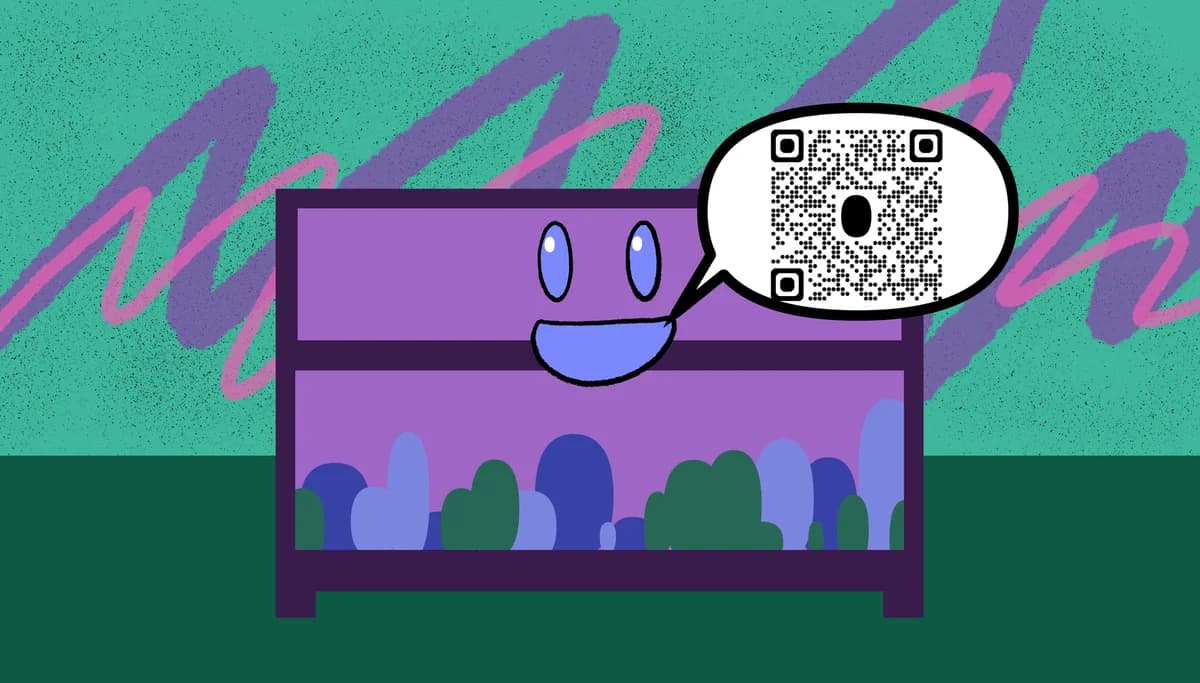
Shoppers make 70% of their purchasing decisions at the point of sale, according to Point of Purchase Advertising International. This statistic reveals why shelf talkers have become essential tools for retailers and brands looking to capture attention during those crucial moments when customers browse store aisles.
Shelf talkers are small promotional signs attached to retail shelves that highlight product features, prices, or special offers. These compact marketing tools work because they appear exactly where customers make their final purchasing decisions, providing the right information at the perfect moment.
Modern shelf talkers often incorporate QR codes to bridge the gap between physical and digital shopping experiences. With QR Code Developer, retailers can create interactive shelf displays that connect customers to product reviews, detailed specifications, or exclusive online offers.
How shelf talkers influence purchasing decisions
Shelf talkers vs other retail marketing tools
Understanding Benefits Of Shelf Talkers in context:
Shelf talkers vs end cap displays
While end caps generate higher visibility, shelf talkers cost 90% less and can be deployed across hundreds of products simultaneously. End caps work for featured items, but shelf talkers provide consistent promotion for regular inventory.
Shelf talkers vs digital screens
Digital displays offer dynamic content but require power sources and cost 15-20 times more than printed shelf talkers. Shelf talkers provide reliable messaging without technical maintenance or power consumption concerns.
Shelf talkers vs product packaging changes
Updating packaging takes months and costs thousands of dollars, while shelf talkers can be changed weekly for under $50. This flexibility allows retailers to test messages, promote seasonal offers, and respond quickly to market changes.
Essential shelf talker statistics
Here's what you should know:
Sales impact reaches 23%
Products with shelf talkers show an average sales increase of 16-23% compared to products without point-of-purchase materials.
Cost-effective marketing tool
Shelf talkers cost 85% less than traditional advertising while delivering measurable results at the point of purchase.
Short attention window
Shoppers spend only 13 seconds on average looking at products on shelves, making clear, concise messaging crucial for shelf talkers.
Brand recognition boost
Shelf talkers increase brand awareness by 31% among shoppers who notice them during their shopping trips.
Digital integration growing
42% of retailers now include QR codes on shelf talkers to provide additional product information and connect customers to online experiences.
Practical Applications
Here's how this information applies in practice:
- Grocery stores use shelf talkers to highlight local products, organic certifications, or nutritional benefits, helping health-conscious shoppers identify products that match their values. Many stores now include QR codes on food packaging displays to provide detailed ingredient lists and sourcing information.
- Electronics retailers attach QR code shelf talkers that link to product demonstrations, comparison charts, or extended warranty information, providing detailed specs without cluttering the physical display. These retailers often create dedicated landing pages accessible via QR codes for each product category.
- Pharmacies employ shelf talkers to explain generic medication equivalents, potential savings, and usage instructions, helping customers make informed decisions about over-the-counter products
- Clothing stores use shelf talkers to indicate size availability, care instructions, or styling suggestions, reducing customer questions and improving the self-service shopping experience
Frequently Asked Questions
How much do shelf talkers typically cost?
What size should shelf talkers be for maximum effectiveness?
How often should retailers change their shelf talkers?
Do QR codes on shelf talkers actually get scanned?
What's the best way to measure shelf talker effectiveness?
Related Guides
Ready to create your QR code?
Generate custom QR codes in seconds - free and easy to use.
Create Free QR Code →