QR codes for Paris Olympics event access and information

Connect fans to Olympic venues, schedules, and real-time updates through scannable codes placed throughout Paris.
How QR codes enhance the Olympic experience
Standing in long lines at Olympic venues to get event schedules can waste precious time that could be spent watching competitions. But it doesn't have to. Now spectators scan QR codes on banners and instantly access real-time schedules, venue maps, and athlete information on their phones.

Olympic QR codes serve as digital gateways that connect millions of visitors to essential information throughout the Paris Games. These codes appear on everything from venue entrances and athlete profiles to merchandise and transportation hubs, providing instant access to schedules, ticketing, wayfinding, and exclusive content. Similar to how businesses use QR code business cards for networking, the Olympics leverages QR technology for seamless information sharing.
The Paris Olympics demonstrates how major sporting events use QR technology to manage crowds and information flow. Whether you're organizing a local sports tournament or a community event, you can apply similar QR code strategies using QR Code Developer to create professional codes for your own events.
Olympic QR code applications across venues
The Paris Olympics showcase QR codes in numerous creative applications that solve real logistical challenges for both organizers and attendees. These implementations offer valuable insights for anyone planning large-scale events. Consider how event QR codes can transform your own gatherings.
Venue navigation and wayfinding
QR codes on maps and signage instantly direct visitors to specific competition areas, restrooms, food courts, and emergency exits within massive Olympic complexes. This wayfinding approach mirrors how QR codes and museums guide visitors through complex cultural spaces.
Athlete information and statistics
Spectators scan codes near athlete warm-up areas or on programs to access real-time stats, biographical information, and social media profiles of their favorite competitors.
Digital ticketing and access control
Mobile tickets contain QR codes that grant access to specific events, seating sections, and VIP areas while preventing fraud and enabling contactless entry. This secure access system is similar to creating check-in QR codes for Airbnb and hotels, ensuring authorized entry only.
Merchandise and souvenir authentication
Official Olympic merchandise includes QR codes that verify authenticity, provide product information, and link to exclusive digital content or athlete messages.
Creating QR codes for Olympic events
Building effective Olympic-style QR codes requires careful planning of the user journey and content strategy. Here's how event organizers create codes that handle high-volume scanning.
Access the QR generator platform
Visit qrcodeveloper.com and select the appropriate QR code type based on your Olympic content - URL for websites, PDF for programs, or contact cards for athlete information.
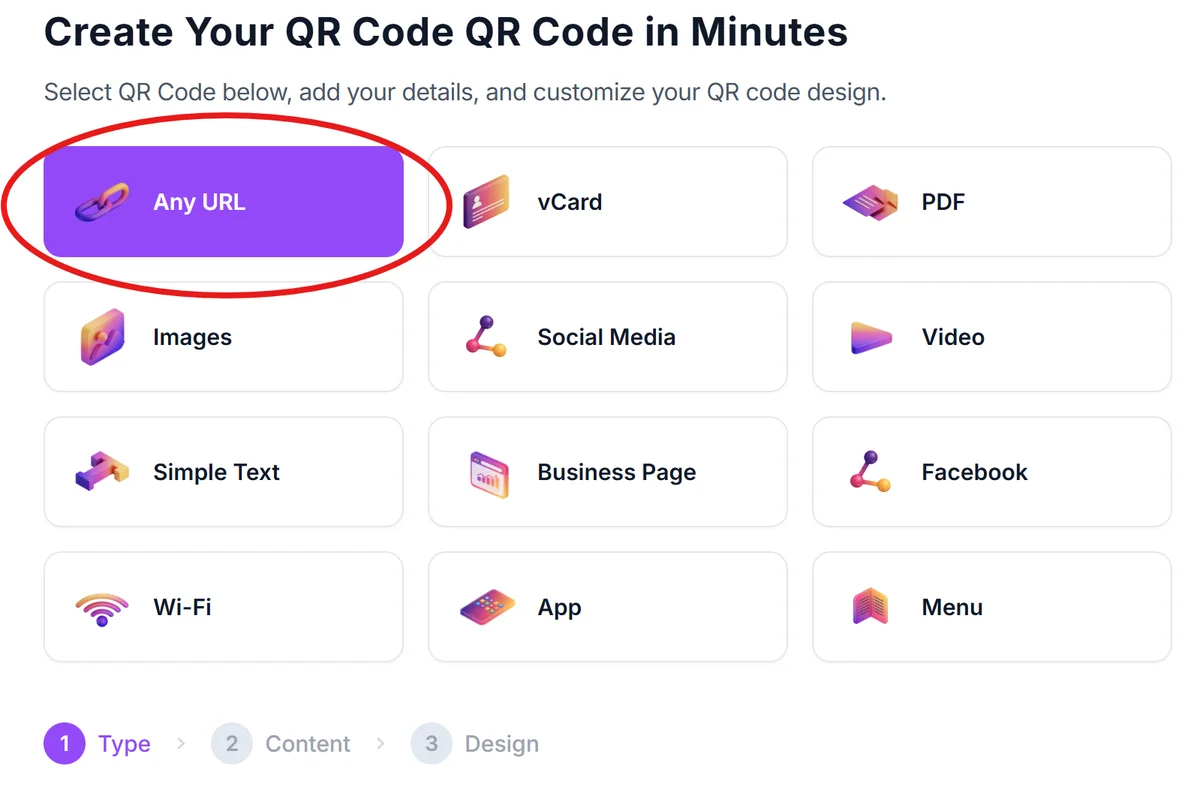
Input your Olympic content destination
Enter the URL of your event schedule page, venue map, athlete database, or ticketing system. For document-based information like event programs, consider how to turn your PDF into a QR code. Ensure the destination page loads quickly and displays properly on mobile devices.
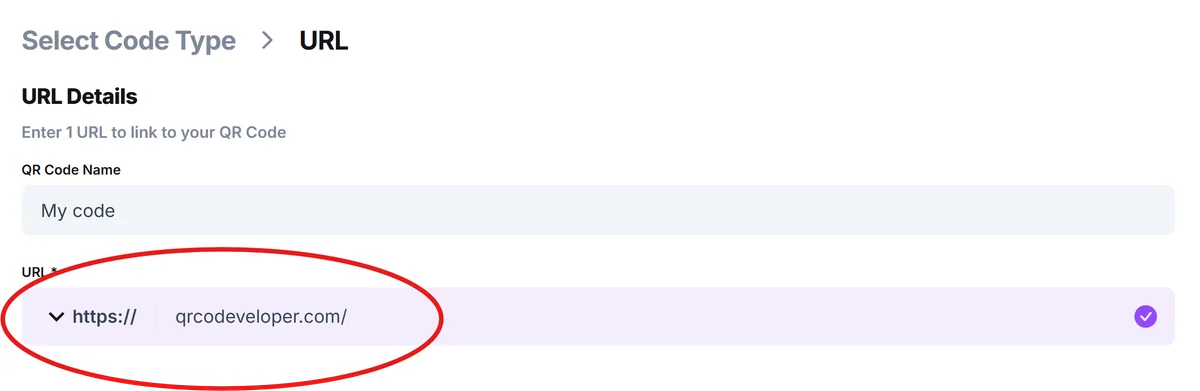
Design with Olympic branding elements
Click on the pencil icon in the Preview window to further customize your code. Customize your QR code colors to match Olympic branding while maintaining high contrast for scanning reliability. Add the Olympic rings logo or event-specific graphics around the code.

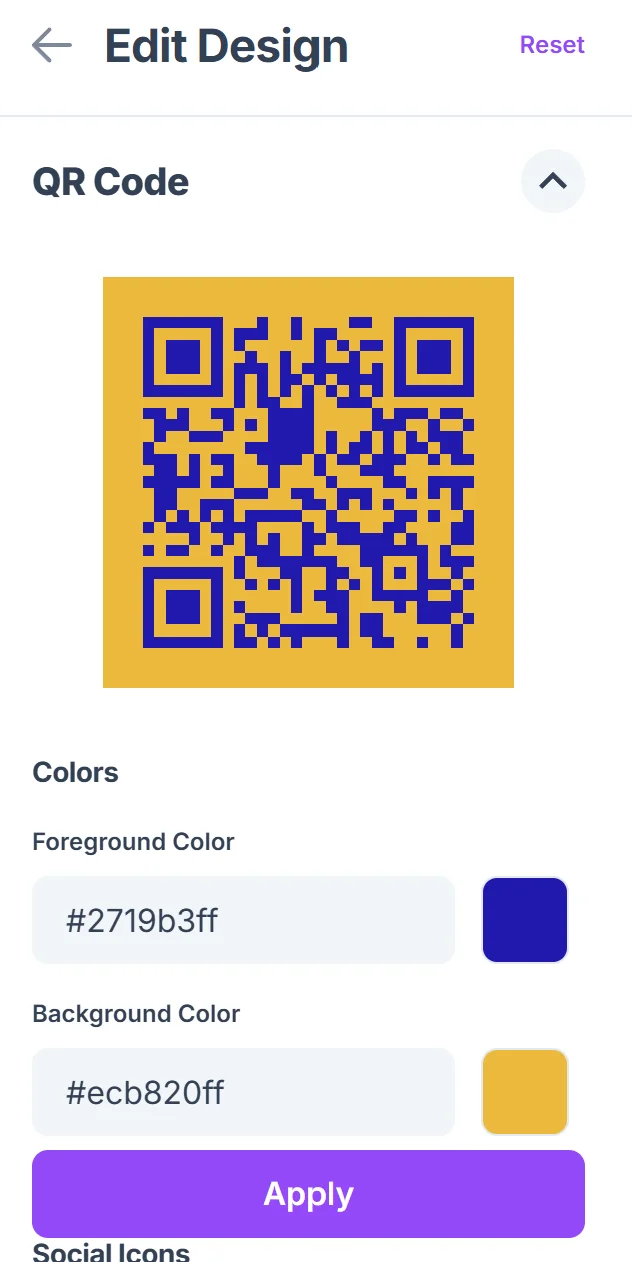
Test scanning across multiple devices
Verify your QR codes work on various smartphones and tablets that international visitors might use. Test scanning from different distances and lighting conditions typical of Olympic venues.
Deploy with clear scanning instructions
Place codes at eye level with multilingual instructions like 'Scan for event schedule' or 'Scan for venue map' to guide visitors who may be unfamiliar with QR technology.
Best practices for Olympic QR codes
Managing QR codes for events with millions of international visitors requires specific strategies to ensure reliability and accessibility.
Size QR codes for scanning distances of 3-6 feet, accounting for crowds and movement around Olympic venues where people can't always get close to signs
Include multilingual landing pages since Olympic audiences speak dozens of languages - consider auto-detecting device language or providing language selection options. Understanding QR code facts by country can help you tailor the experience for international visitors.
Plan for network congestion by hosting content on robust servers that can handle thousands of simultaneous scans during popular events
Create backup QR codes with shortened URLs in case primary links fail, and train staff to provide alternative access methods for visitors with scanning difficulties
Frequently Asked Questions
How do Olympic venues ensure QR codes work for international visitors?
Olympic QR codes typically link to mobile-optimized websites with automatic language detection or clear language selection options, ensuring accessibility for visitors from around the world.
Can QR codes handle the massive crowds at Olympic events?
Yes, when properly implemented with robust hosting and content delivery networks. Olympic organizers use enterprise-grade infrastructure to support thousands of simultaneous scans.
What information do Olympic QR codes typically provide?
Common content includes event schedules, venue maps, athlete profiles, ticketing information, transportation details, safety guidelines, and links to official Olympic apps or websites.
Are Olympic QR codes secure for personal information?
Official Olympic QR codes link to secure, verified websites. However, visitors should only scan codes from official Olympic signage and avoid suspicious codes that might lead to phishing sites.
Can I create similar QR codes for my own sporting events?
Absolutely. The same QR code strategies used at the Olympics work for local tournaments, school sports, and community events. Start with basic event information and expand based on your audience's needs.
Related Guides
Ready to create your QR code?
Generate custom QR codes in seconds - free and easy to use.
Create Free QR Code →