QR codes for amusement parks and theme parks

Connect guests instantly to park maps, ride information, and mobile services while reducing operational costs and improving visitor satisfaction.
How QR codes transform amusement park operations
Have you ever watched families at theme park entrances frantically digging through bags for paper maps while their excited kids bounce around impatiently? This daily scene plays out thousands of times at amusement parks worldwide, creating tension at information booths and frustrating guests before their day even begins. Luckily, QR codes can solve much of these problems and get you back to having fun at the park!

QR codes eliminate these friction points by giving guests instant access to digital park maps, real-time wait times, mobile food ordering, and interactive experiences. Instead of carrying paper materials that get lost or damaged, visitors simply scan codes throughout the park to access exactly what they need at that moment, similar to how restaurants use QR codes for digital menus.
Modern theme parks are discovering that strategic QR code placement transforms both guest satisfaction and operational efficiency. From reducing staff workload at information desks to enabling contactless transactions, these digital bridges connect your physical park infrastructure with mobile-first guest expectations. In this guide I'll walk you through the most effective ways to implement QR codes that enhance every aspect of the amusement park experience. So let's get the ride started!
Smart applications for theme park QR codes
Theme parks operate complex ecosystems where guests need quick access to constantly changing information. QR codes bridge the gap between physical locations and digital services, creating smoother experiences for visitors while reducing operational overhead. These practical applications address real challenges that park operators face daily, from managing crowd flow to providing multilingual support. Learn more about creating engaging experiences with event QR codes.
Interactive ride information and safety videos
Mount QR codes at ride entrances to provide height requirements, safety instructions, and behind-the-scenes content in multiple languages without printing materials.
Mobile food ordering and pickup notifications
Place codes at restaurant tables and food stands so guests can order ahead, pay digitally, and receive pickup notifications without waiting in long food lines.
Digital park maps with real-time updates
Position QR codes at key locations throughout the park to give guests access to interactive maps showing current wait times, closed attractions, and special events. This approach works similarly to how museums use QR codes to provide location-specific information to visitors.
Photo package access and sharing
Generate unique QR codes for ride photos and professional park photography sessions, allowing families to instantly view, purchase, and share their memories. Learn more about scanning QR codes from photos for additional functionality.
Setting up QR codes for your amusement park
Creating effective QR codes for amusement park applications requires understanding both your operational needs and guest behavior patterns. The process focuses on connecting physical touchpoints with digital services that genuinely improve the park experience.
Access the park QR generator
Visit qrcodeveloper.com and select the QR code type that matches your specific park application - URL codes for websites, WiFi codes for guest internet access, or contact codes for guest services.
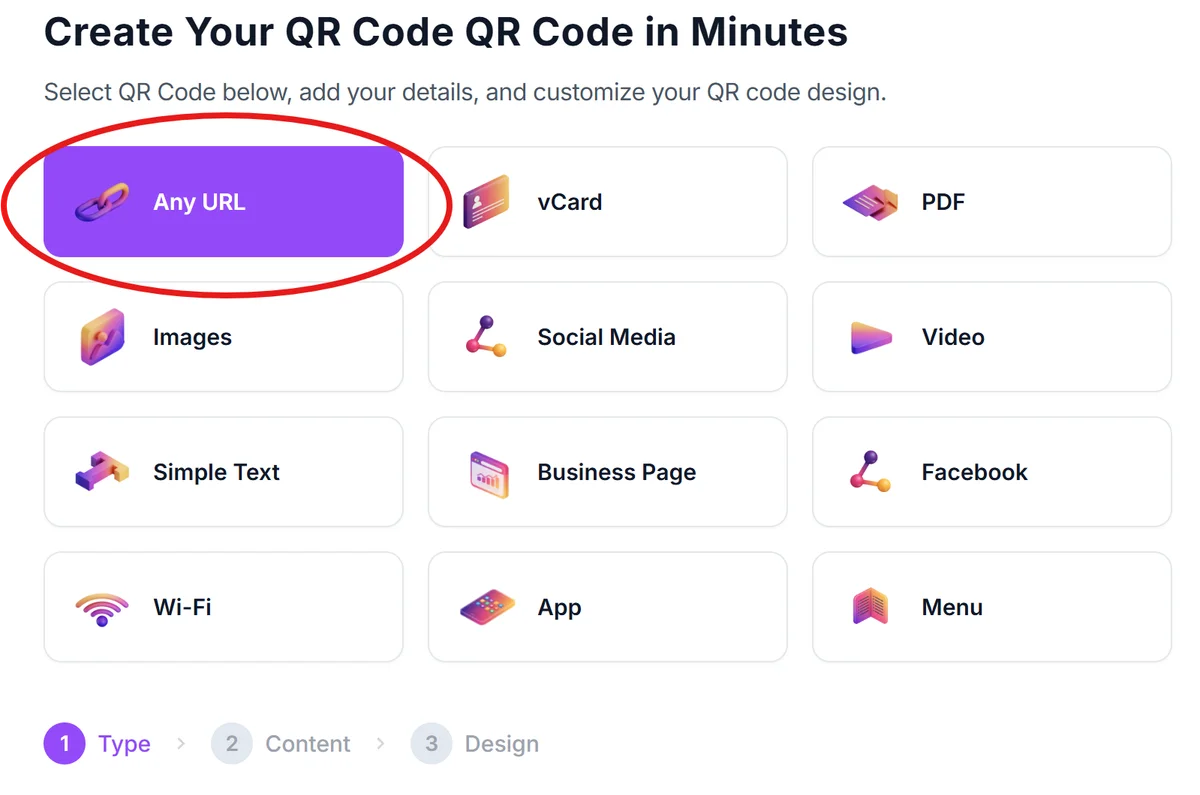
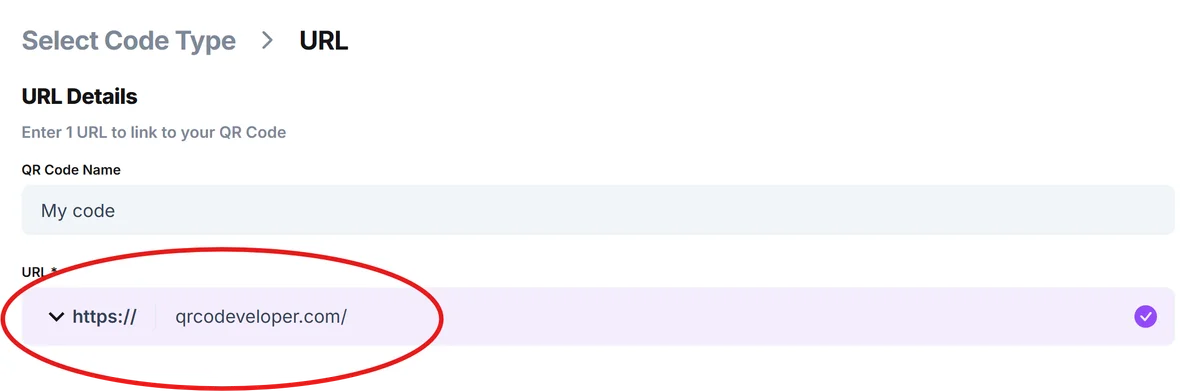
Configure your park content destination
Enter the specific URL, contact information, or WiFi credentials that guests will access. For ride information, link to mobile-optimized pages with safety videos, wait times, and accessibility details.
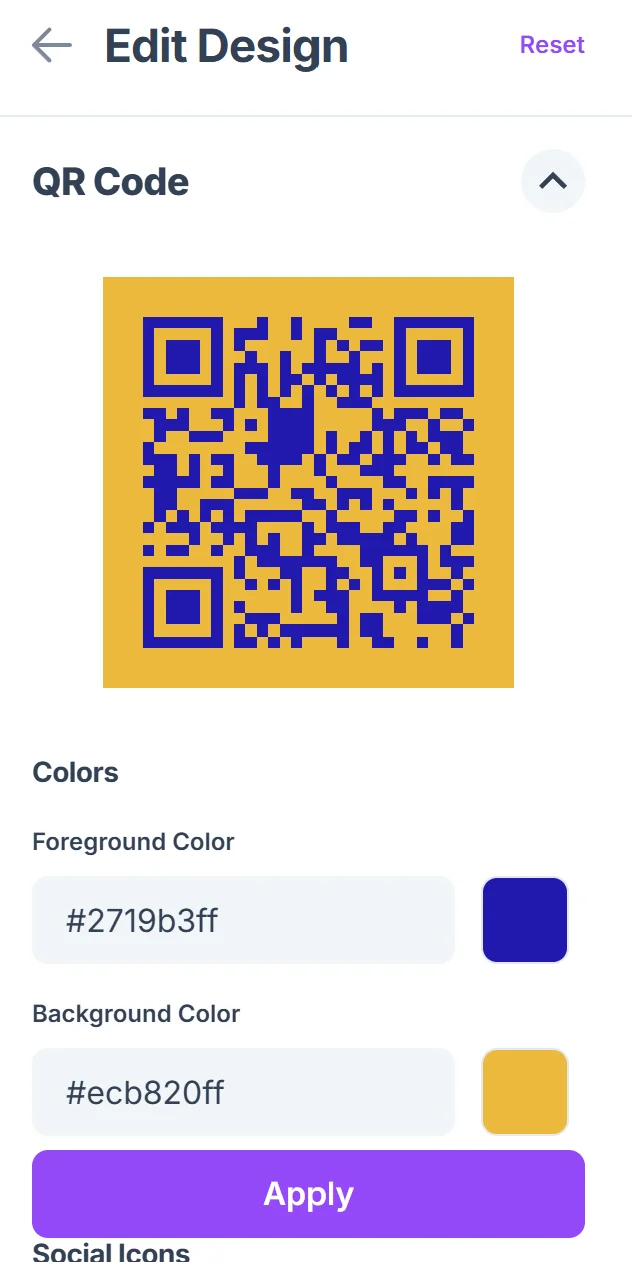
Brand with park colors and logo
Click on the pencil icon in the Preview window to further customize your code. Customize the QR code design to match your park's visual identity using brand colors and incorporating your logo. This builds trust and helps guests recognize official park codes versus potentially malicious ones. For design inspiration, check out our QR code design tips.

Test across different weather conditions
Verify that codes scan properly in bright sunlight, shade, and various weather conditions since they'll be used outdoors. Test with different smartphone models and ensure backup information is clearly visible. For security considerations, review our guide on how to check if a QR code is safe.
Deploy with clear signage and context
Install codes at optimal heights (4-5 feet) with weatherproof materials and clear instructions like 'Scan for ride wait times' or 'Order food ahead' so guests understand the value before scanning.
Best practices for park QR code deployment
Successful amusement park QR code implementation requires balancing guest convenience with operational efficiency. These proven strategies help you avoid common pitfalls while maximizing the technology's impact on both visitor satisfaction and park operations.
Position codes away from direct water exposure from fountains, splash zones, or cleaning equipment, and use laminated or weatherproof materials designed for outdoor signage
Include multilingual instructions and backup information since international visitors may not immediately understand QR code functionality or have compatible devices
Create separate QR codes for different guest segments - family-friendly content, accessibility information, and VIP services - rather than overwhelming everyone with the same generic link
Monitor scan analytics to identify high-traffic locations and popular content, then adjust code placement and linked content based on actual guest behavior patterns rather than assumptions
Frequently Asked Questions
Do QR codes work well in bright outdoor sunlight at theme parks?
Yes, QR codes scan effectively in sunlight when properly designed with sufficient contrast. Use dark codes on light backgrounds and avoid glossy materials that create glare. Test codes during different times of day to ensure consistent performance.
How can amusement parks handle guests who don't have smartphones?
Always provide alternative access methods like short URLs, phone numbers, or QR code scanning stations at guest services. Include backup information directly on signage so the experience remains accessible to all visitors.
What's the best placement height for QR codes in theme parks?
Position codes between 4-5 feet high to accommodate both adults and children, with wheelchair accessibility in mind. Avoid placing codes too high on ride structures or too low where they might be blocked by crowds.
Can theme parks track which QR codes are most popular with guests?
Yes, most QR code generators provide analytics showing scan frequency, timing, and location data. This information helps parks understand guest behavior patterns and optimize both code placement and linked content.
Are there any safety concerns with QR codes in amusement parks?
The main safety consideration is ensuring only official park codes are displayed to prevent malicious QR codes. Use branded designs, secure your code generation process, and regularly audit displayed codes throughout the park.
Related Guides
Ready to create your QR code?
Generate custom QR codes in seconds - free and easy to use.
Create Free QR Code →