QR Code Generator for Research Papers - Academic Citations and Digital Access

Bridge print and digital academic content with QR codes that provide instant access to research papers, supplementary data, and citation information.
How QR codes transform academic paper sharing
Academic research often depends on the free flow of information, yet the gap between citing papers and actually accessing them creates unnecessary barriers for scholars and students alike. However, QR codes can provide a direct bridge from physical references to digital documents, transforming how researchers share and discover scientific literature. This simple technology turns every printed citation into an instant gateway to knowledge.
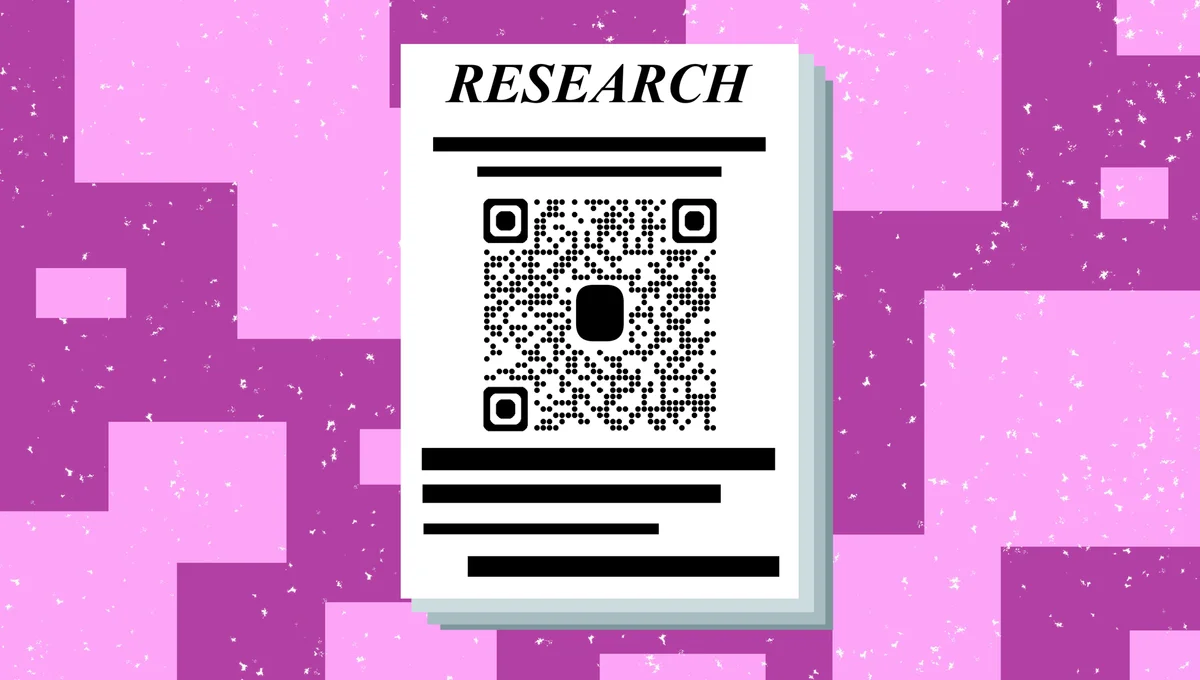
QR codes for research papers provide a direct pathways between physical citations and digital content. When placed on conference posters, printed bibliographies, or academic presentations, these codes can allow readers to instantly access full papers, supplementary materials, author profiles, or citation databases with a simple scan. Similar to how event QR codes streamline conference attendance, research QR codes eliminate friction in academic information sharing.
Academic institutions and researchers are increasingly adopting this technology to improve knowledge dissemination. Whether you're presenting at conferences, publishing in journals, or sharing preprints, QR codes can connect your audience directly to your PDF documents and related academic resources.
Academic applications for research paper QR codes
Research paper QR codes solve common academic access challenges by providing instant digital connections. These applications span from conference presentations to peer review processes, making scholarly communication more accessible. Consider how contact information QR codes complement research sharing by connecting readers directly to authors.
Conference poster presentations
Attendees scan codes to download full papers, view supplementary data, or access interactive content that couldn't fit on the poster. This approach works particularly well when combined with QR codes on flyers to distribute additional conference materials.
Academic bibliography sharing
Students and researchers create QR codes linking to digital copies of cited works, making literature reviews and reference lists more accessible.
Preprint and working paper distribution
Authors share QR codes linking to the latest versions of their work on platforms like arXiv, SSRN, or institutional repositories.
Peer review and collaboration
Reviewers and collaborators use QR codes to quickly access shared documents, comment systems, or collaborative editing platforms.
Creating QR codes for your research papers
Setting up QR codes for academic papers requires connecting your digital content to a scannable format that works across different devices and contexts.
Access the QR code generator
Visit qrcodeveloper.com and select the URL option to create a link-based QR code for your research paper.
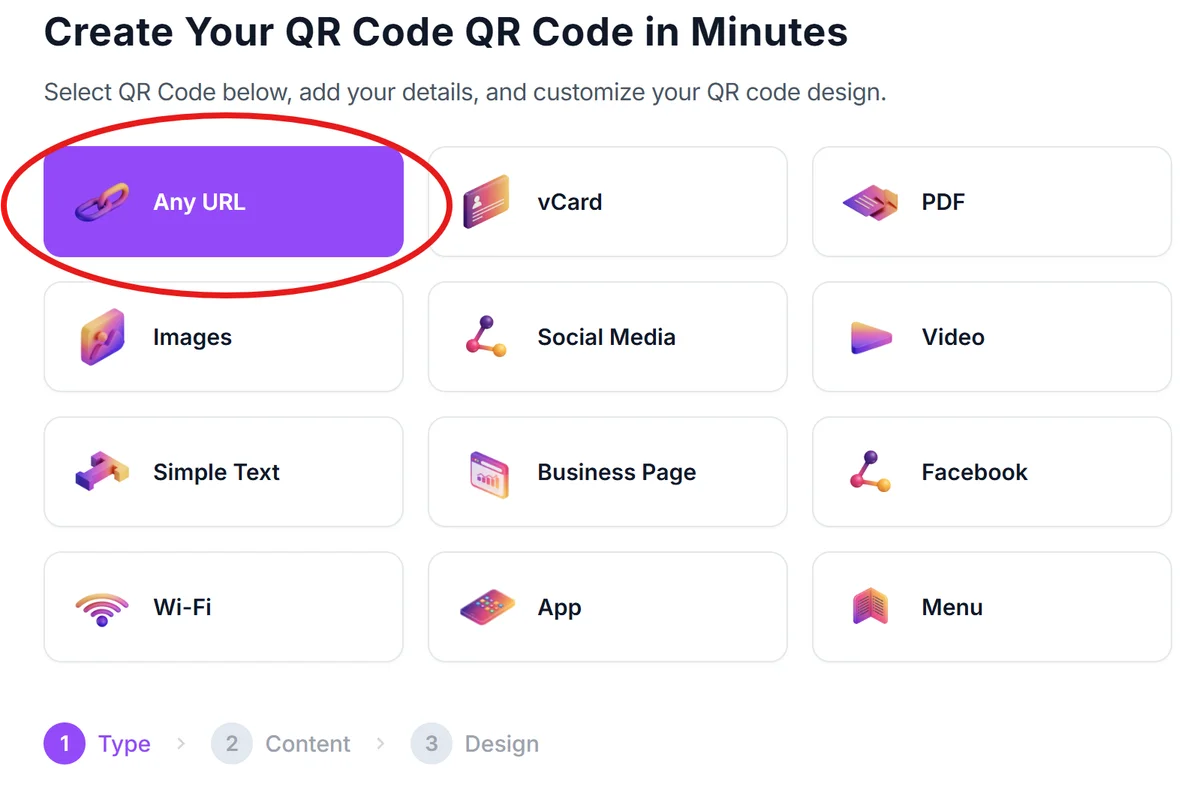
Enter your paper's digital location
Input the URL where your paper is hosted - this could be a journal website, institutional repository, Google Scholar link, or cloud storage location with appropriate permissions.
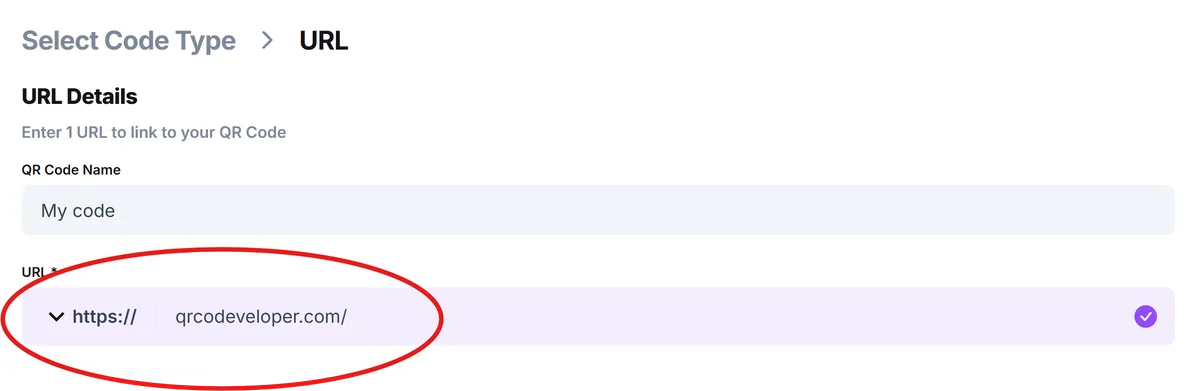
Customize for academic presentation
Click on the pencil icon in the Preview window to further customize your code. Choose colors that match your institution's branding or conference materials. Consider adding a logo or academic identifier to build trust with scanners. For guidance on visual appeal, review our QR code design tips to ensure your codes are both functional and professional.

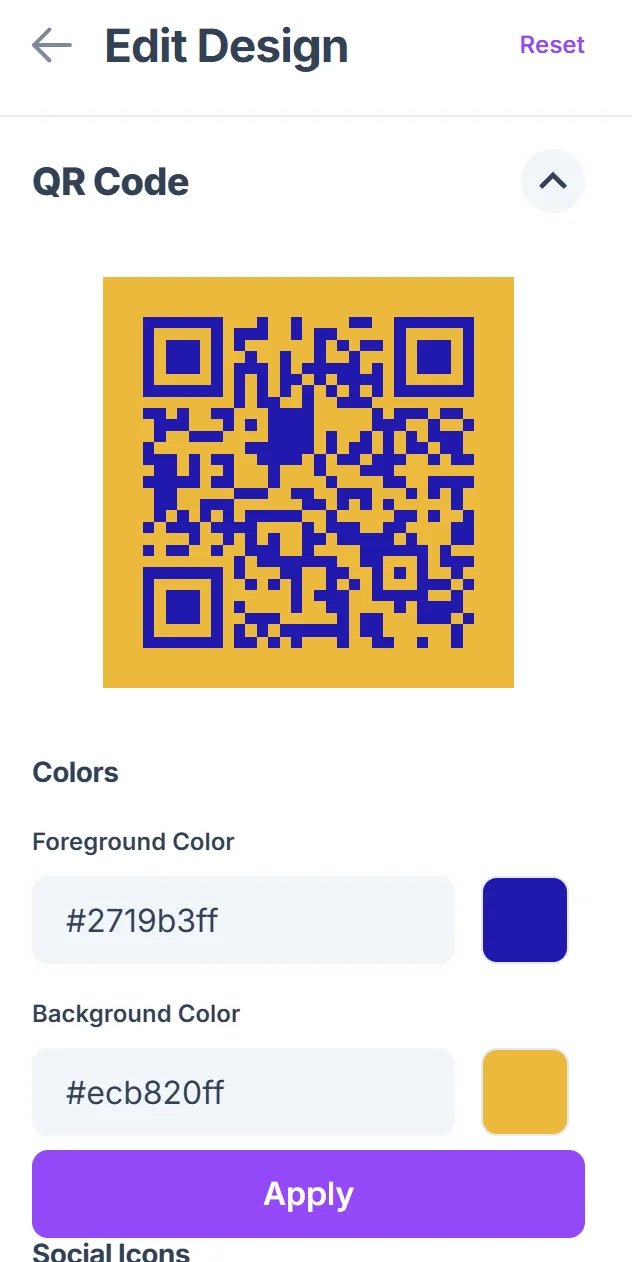
Test across academic environments
Verify the QR code works on various devices and that the linked content is accessible to your intended audience, considering potential paywall or access restrictions.
Include context and instructions
Add brief text near the QR code explaining what readers will access - "Scan for full paper," "Access supplementary data," or "Download PDF" - to encourage scanning.
Best practices for academic QR code implementation
Effective academic QR codes require consideration of both technical functionality and scholarly communication standards.
Ensure long-term accessibility by using stable URLs from institutional repositories rather than temporary file-sharing links that may expire. Understanding static vs dynamic QR codes can help you choose the right approach for long-term academic use.
Include alternative access methods alongside QR codes, such as shortened URLs or DOI numbers, for readers who cannot scan codes
Consider copyright and access permissions when linking to papers - ensure your QR code directs to legally accessible versions
Track engagement using analytics to understand how often your papers are accessed via QR codes and adjust placement strategies accordingly
Frequently Asked Questions
Can I use QR codes for papers behind paywalls?
Yes, but ensure the QR code links to legitimate access points like your institutional repository, preprint servers, or the publisher's official page where readers can use their own institutional access.
How do I create QR codes for multiple papers in a bibliography?
Create individual QR codes for each paper or link to a landing page that lists all papers with their respective access points. This approach works well for comprehensive literature reviews.
What size should QR codes be on academic posters?
Make QR codes at least 1 inch (2.5 cm) square for conference posters to ensure they're scannable from typical viewing distances. Test the size by printing and scanning from 3-4 feet away.
Should I include QR codes in submitted manuscripts?
Check journal guidelines first. Some journals accept QR codes in supplementary materials or author information sections, while others prefer traditional citation methods in main text.
Are QR codes free to create for academic use?
Yes, basic QR code generation is free. You can create unlimited QR codes for research papers without cost, though some advanced analytics features may require paid plans.
Related Guides
Ready to create your QR code?
Generate custom QR codes in seconds - free and easy to use.
Create Free QR Code →