Why use QR codes for writing: bridging print and digital content

QR codes transform static written content into interactive experiences that connect readers directly to multimedia resources, author profiles, and supplementary materials.
Key Takeaways
- QR codes eliminate the friction between print and digital content consumption
- Readers can access supplementary materials without typing complex URLs
- Authors can track engagement with their additional content through QR analytics
- Strategic QR placement preserves the reading flow while adding value
Sharing your latest article used to mean handing someone a printed copy or sending a long URL. Readers would struggle to access related videos, author interviews, or bonus materials mentioned in your writing. Now writers can simply embed QR codes directly in their content, instantly connecting readers to rich multimedia experiences that expand far beyond the printed page.
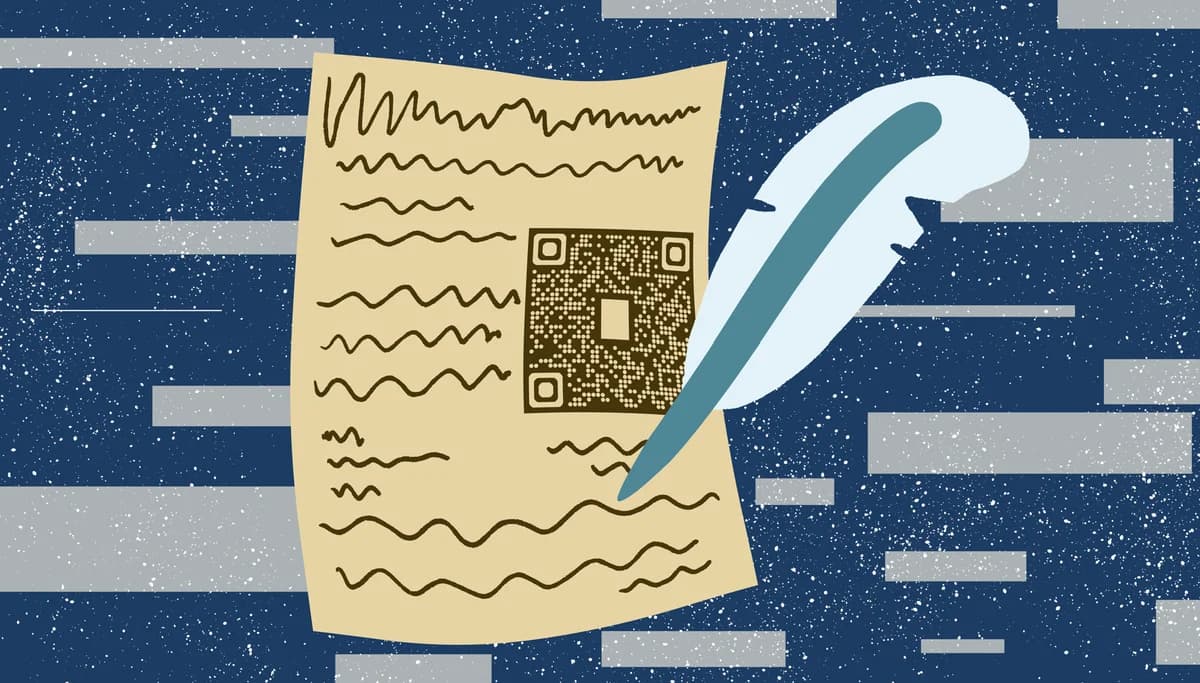
Modern readers expect interactive content that bridges the gap between traditional writing and digital resources. QR codes provide that connection, allowing authors to include supplementary materials, reader feedback forms, and social media links without cluttering their written work with lengthy URLs or complex instructions.
Writers across all genres are discovering how QR Code Developer helps them create seamless connections between their printed materials and online content. From academic papers linking to research data to novels connecting readers with author discussions, QR codes are revolutionizing how we consume written content.
Boosting reader engagement and interaction
QR codes transform passive reading into active engagement by providing instant access to related content. Readers can scan codes to watch author interviews, access discussion forums, or download additional chapters without interrupting their reading experience.
The immediacy of QR code access increases reader participation rates significantly. Instead of bookmarking URLs for later (which often get forgotten), readers can instantly access bonus content while their interest peaks.
Interactive feedback collection
Writers use QR codes to gather reader feedback through surveys and comment forms. This direct connection helps authors understand their audience better and improve future content based on real reader insights.
Social media integration
QR codes linking to author social profiles or book discussions create communities around written work. Readers can join conversations about specific chapters or share their thoughts with other fans instantly.
Expanding content beyond page limitations
Physical and digital publications have space constraints that limit how much supplementary information authors can include. QR codes solve this problem by providing unlimited expansion possibilities without affecting the core reading experience.
Authors can link to detailed research sources, extended bibliographies, or multimedia content that supports their writing. This approach keeps the main text focused while offering deeper exploration for interested readers.
Multimedia enhancement
QR codes connect readers to videos, audio recordings, and interactive content that complement written material. Travel writers link to destination videos, cookbook authors provide cooking demonstrations, and historians share documentary footage.
Updated information access
Unlike static print, QR codes can point to regularly updated content. News articles can link to developing stories, research papers can connect to updated data sets, and instructional content can provide current best practices. Understanding the difference between static vs dynamic QR codes is crucial for content that needs regular updates.
Real-world writing applications
Educational content benefits enormously from QR code integration. Textbook authors include codes linking to practice exercises, video explanations, and supplementary readings that help students grasp complex concepts more effectively.
Creative writers use QR codes to build immersive experiences around their work. Mystery authors might link to clues, fantasy writers could provide world-building details, and poets might share audio recordings of their readings. Many authors also incorporate QR codes into their business cards to connect readers with their latest work.
Academic and research writing
Researchers embed QR codes linking to data sets, methodology videos, and peer review discussions. This transparency improves research credibility while making complex studies more accessible to broader audiences.
Marketing and business content
Business writers include QR codes linking to case studies, product demonstrations, and client testimonials. White papers become interactive experiences that guide readers through implementation processes and success stories.
Newsletter and magazine integration
Publishers use QR codes to extend article content with reader surveys, related articles, and subscription offers. This approach increases reader engagement while providing valuable analytics about content preferences.
Smart strategies for writing integration
Successful QR code implementation in writing requires strategic placement and clear value communication to readers.
Place QR codes at natural break points in your content to avoid disrupting reading flow
Always explain what readers will find when they scan the code to set proper expectations
Test your QR codes across different devices and scanner apps before publishing
Use branded QR codes that match your writing style and publication design
Track scan analytics to understand which supplementary content resonates most with readers
Frequently asked questions
How do QR codes improve the reading experience?
QR codes provide instant access to supplementary content without requiring readers to manually type URLs or search for related materials. This seamless connection keeps readers engaged while offering deeper exploration opportunities.
What types of content work best with QR codes in writing?
Video explanations, audio content, interactive surveys, social media discussions, downloadable resources, and updated information all work excellently with QR codes. The key is providing content that genuinely adds value to the written material.
Where should I place QR codes in my writing?
Position QR codes at natural transition points, chapter endings, or alongside relevant content references. Avoid placing them mid-sentence or in ways that interrupt the reading flow. Margins, footnote areas, and section breaks work well.
Do QR codes work in both digital and print publications?
Yes, QR codes function in both formats. In digital publications, readers scan from their screens using another device. In print, readers scan directly from the page. Consider your audience's typical reading environment when planning placement.
How can I track engagement with QR codes in my writing?
Use QR code generators that provide analytics, such as QR Code Developer, to track scan rates, timing, and geographic data. This information helps you understand which supplementary content resonates most with your readers.
Related Guides
Ready to create your QR code?
Generate custom QR codes in seconds - free and easy to use.
Create Free QR Code →