QR codes on fabric: Smart textiles and clothing applications

Fabric-embedded QR codes transform ordinary textiles into interactive experiences, connecting physical garments and materials to digital content, care instructions, and brand stories.
Smart fabric applications across industries
QR codes embedded in fabric serve multiple industries beyond fashion. Each application requires different durability standards and information types. Consider these types of QR codes for your specific textile needs.
Create QR CodeFashion and luxury goods authentication
High-end brands embed QR codes in garments and accessories to combat counterfeiting. Each code links to a unique authentication page with product details, manufacturing date, and ownership history. This creates a permanent digital certificate that travels with the item.
Medical and healthcare textiles
Hospital linens, patient gowns, and medical uniforms use QR codes for tracking, cleaning protocols, and safety information. Codes withstand industrial washing cycles while maintaining links to sterilization records and usage guidelines, functioning similarly to check-in QR codes for tracking and verification purposes.
Technical and performance fabrics
Outdoor gear, workwear, and sports apparel integrate QR codes that provide care instructions, warranty information, and performance data. Athletes can access training tips, while workers get safety updates specific to their protective equipment.
Why textile businesses are embedding QR codes in fabric
Over 2.5 billion garments are discarded annually due to improper care, according to EPA textile waste data. Fashion brands and textile manufacturers face mounting pressure to provide better care information, authenticity verification, and sustainability tracking throughout the product lifecycle. Luckily, QR codes can help solve this issue and clean up our landfills!
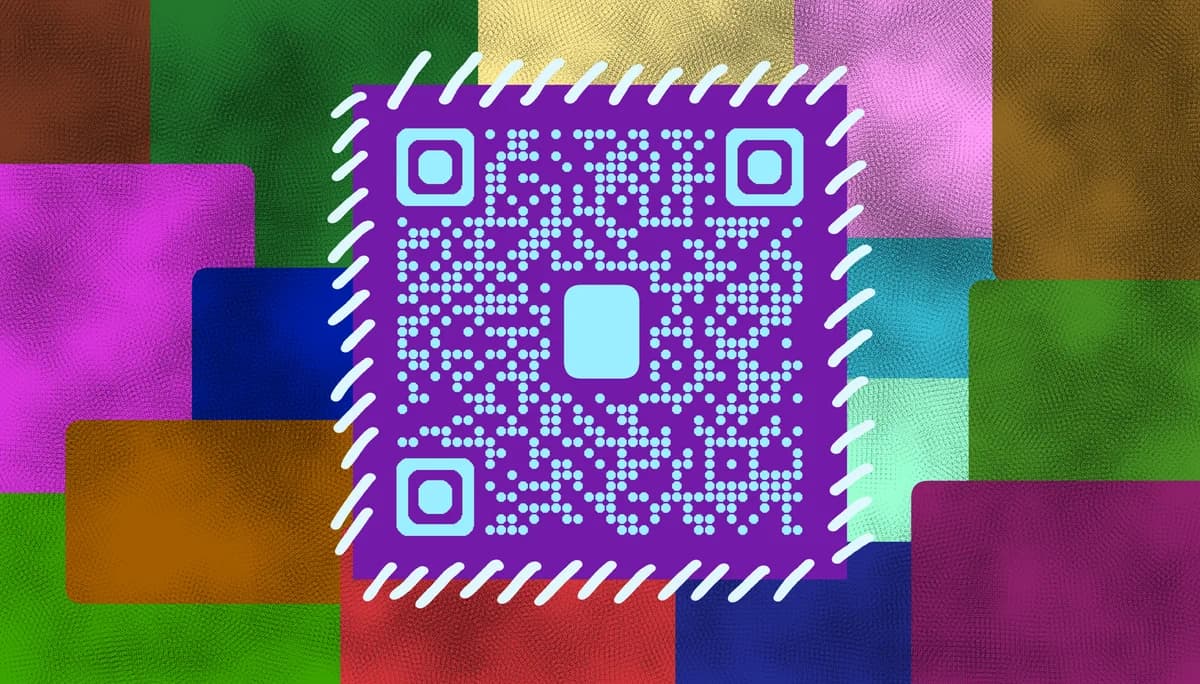
QR codes woven or printed directly into fabric can help out by creating permanent digital connections to a variety of resources regarding garment care. A luxury handbag can link to authentication certificates, a technical outdoor jacket can provide detailed care instructions, and a vintage band t-shirt can share the story behind its design. Unlike removable tags that get discarded, fabric-embedded codes stay with the item forever, similar to how QR code stickers provide permanent digital access.
This approach extends far beyond fashion into medical textiles, home furnishings, and industrial applications. In this guide I'll show you how different industries implement fabric QR codes and the specific benefits they deliver. You'll also find practical guidance for working with QR Code Developer to create codes that withstand washing, wear, and industrial processes. So let's dive right in!
Creating durable QR codes for textile applications
Building QR codes for fabric requires careful planning for durability, readability, and manufacturing constraints. Here's my recommended approach:
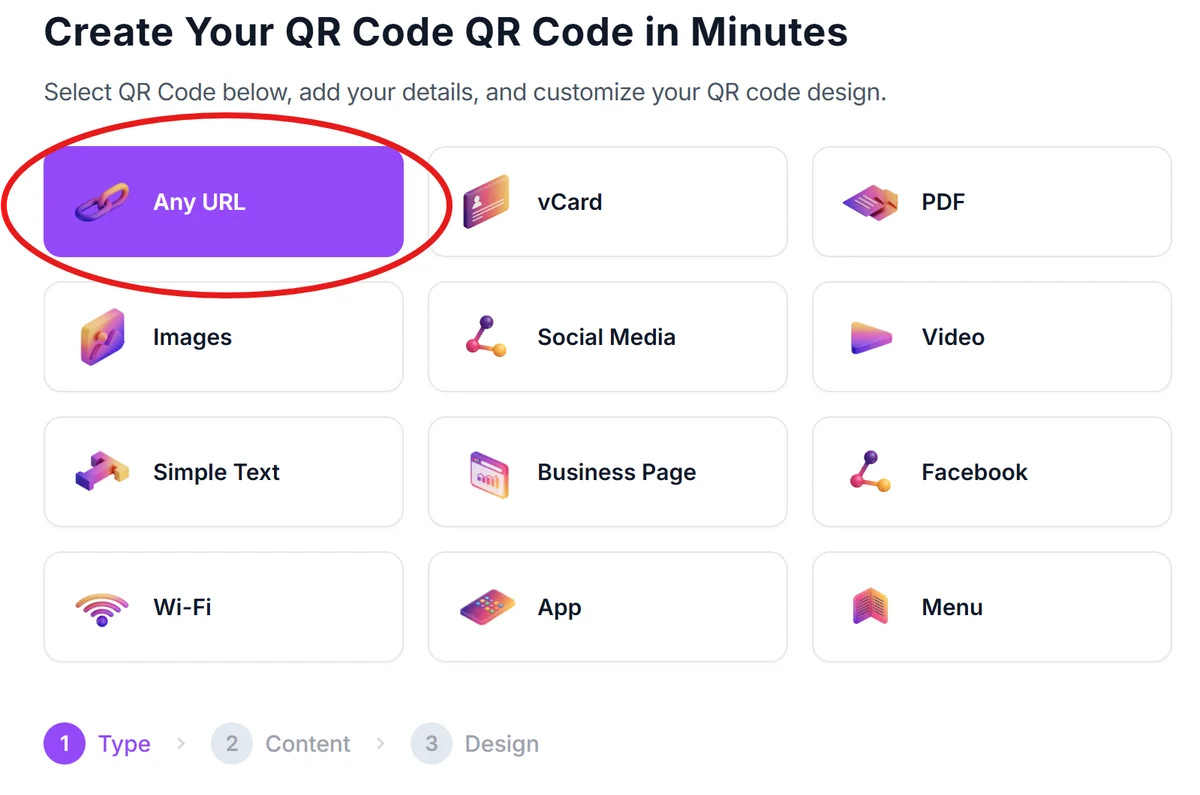
Select the appropriate QR code type for your content
Visit qrcodeveloper.com and choose the content type that matches your needs. URL codes work best for authentication systems, while contact information codes suit business networking applications.
Design for fabric production constraints
Enter your destination URL or information, then adjust the design for textile manufacturing. Click on the pencil icon in the Preview window to further customize your code. Use high contrast colors that work with your fabric printing or weaving process. Avoid complex designs that may not reproduce clearly at small sizes.


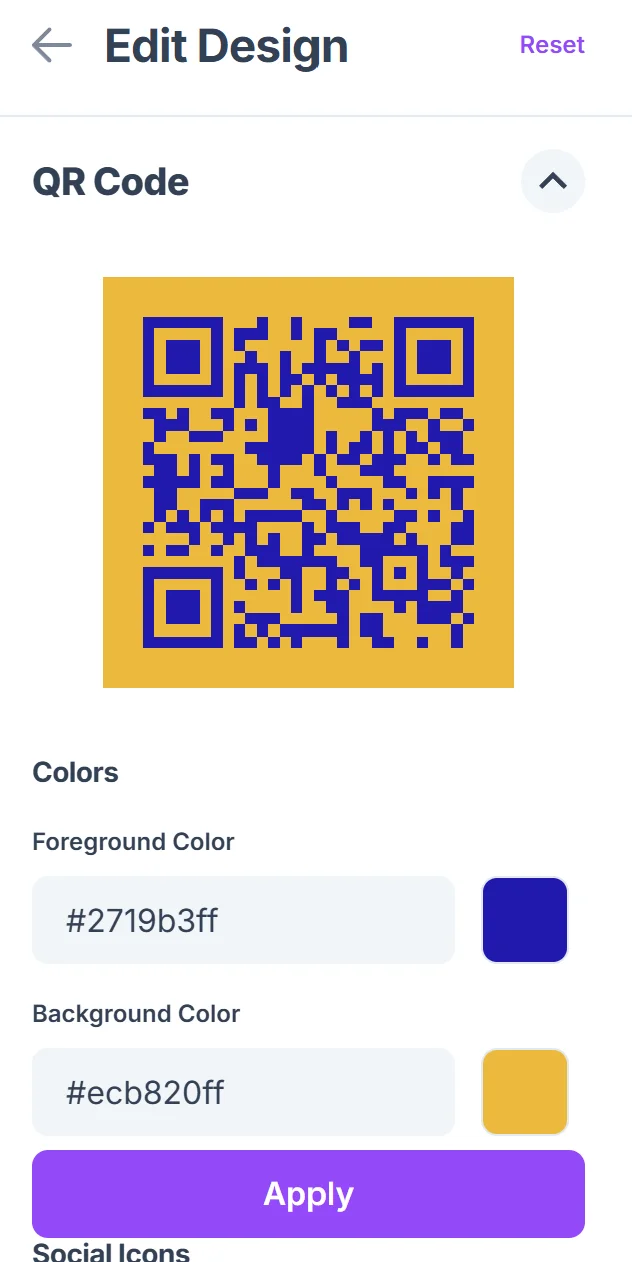
Test durability requirements for your application
Generate multiple versions with different error correction levels. Higher error correction helps codes remain scannable even when partially damaged by washing, wear, or manufacturing processes. Test with your specific textile production methods, ensuring they maintain the same reliability as static vs dynamic QR codes in various conditions.
Validate scannability across fabric textures
Print test codes on your actual fabric samples and scan them under various lighting conditions. Textured fabrics, metallic threads, and certain dyes can interfere with scanning. Adjust size and contrast as needed.
Integrate codes into your manufacturing workflow
Work with your textile manufacturer to determine the best placement and production method. Woven codes offer maximum durability, while printed codes provide more design flexibility. Consider placement areas that balance visibility with wear resistance.
Fabric QR code design and durability guidelines
Get the best results with these textile-specific recommendations:
Use maximum error correction settings (Level H) for codes that will undergo washing, stretching, or heavy wear - this allows up to 30% of the code to be damaged while remaining scannable
Design codes at least 1 inch square for woven applications and 0.75 inches for high-resolution printing to ensure readability across different fabric textures and lighting conditions
Choose high-contrast color combinations that work with your fabric base - black on white performs best, but dark navy on light gray works well for fashion applications where pure black seems too harsh
Test codes through your complete manufacturing process including dyeing, finishing, and quality control steps since chemical treatments can affect code contrast and readability
Place codes in protected areas when possible - inside seams, under flaps, or on reinforced sections that experience less stretching and abrasion during normal use
Frequently Asked Questions
Will QR codes survive washing and dry cleaning?
Yes, when properly implemented. Woven codes using contrasting thread colors survive hundreds of wash cycles. Printed codes need special textile inks and high error correction to maintain scannability through normal care.
What's the minimum size for a scannable QR code on fabric?
For most fabric applications, I recommend at least 0.75 inches square for printed codes and 1 inch square for woven codes. Textured fabrics may require larger sizes to maintain contrast and readability.
How much does it cost to add QR codes to fabric production?
Costs vary by method. Printing adds $0.05-0.20 per item depending on volume. Weaving costs $0.10-0.50 per item but offers better durability. Digital printing offers the lowest entry costs for small batches.
Can QR codes be added to existing garments?
Yes, through heat transfer labels, embroidered patches, or special textile printing. However, codes integrated during original manufacturing typically offer better durability and aesthetic integration.
Do fabric QR codes work better than printed tags?
Fabric-embedded codes stay with the garment permanently while tags get removed or lost. This makes them ideal for long-term tracking, authenticity verification, and providing care information throughout the product's lifetime.
Related Guides
Ready to implement your solution?
Generate custom QR codes for your industry in seconds.
Create Free QR Code →