QR codes for ceramics and pottery makers

Bridge the gap between handmade ceramic art and digital storytelling with scannable codes that share your creative process.
Connecting ceramic art with digital content
Ceramic artists used to rely solely on gallery placards and business cards to share their story. Visitors would admire a piece but leave without learning about the glazing technique, firing process, or the inspiration behind the work. Now ceramic artists can embed QR codes directly into their pieces or display materials, instantly connecting viewers to videos of the creation process, artist statements, or purchasing information.
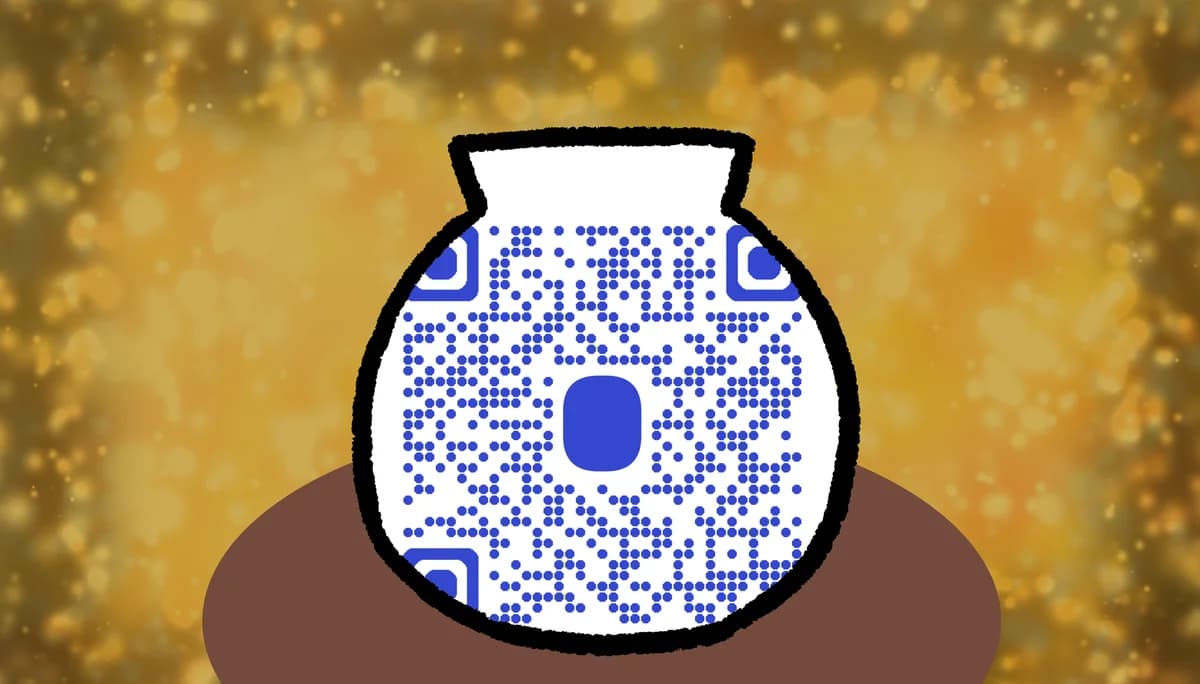
A ceramics QR code links physical pottery and ceramic art to digital content. When someone scans the code with their phone, they can access your portfolio website, watch time-lapse videos of your wheel throwing technique, read about your glazing methods, or even purchase pieces directly from your online shop. These codes work particularly well for ceramic artists because they bridge the tactile nature of clay work with the digital world where many customers discover and buy art, similar to how museums use QR codes to enhance visitor experiences.
The applications extend beyond individual pieces to studio tours, workshop bookings, and educational content. Many ceramic artists now use QR Code Developer to create codes that connect their handmade work with comprehensive digital experiences. Whether you're displaying at craft fairs, teaching ceramics classes, or selling through galleries, QR codes help potential customers and students access exactly the information they want most.
How ceramic artists use QR codes
Ceramic artists face unique challenges in sharing their process and connecting with buyers. Unlike digital art, pottery tells its story through texture, weight, and craftsmanship that's hard to convey online. QR codes solve this by linking physical pieces to rich digital content. Here's how artists integrate QR code business cards and piece-specific codes into their ceramic practice.
Gallery and exhibition displays
Artists place QR codes on pedestals or wall placards next to ceramic pieces, linking to detailed artist statements, technique explanations, or purchase information for collectors.
Craft fair and market booths
Potters display QR codes at their booths that connect to their full online catalog, allowing customers to browse pieces not physically present or place custom orders.
Workshop and class promotion
Ceramic instructors use QR codes on flyers and studio signage to link directly to class schedules, registration forms, and student work galleries.
Studio tours and open houses
Artists create QR codes that provide virtual studio tours, equipment explanations, or behind-the-scenes content for visitors who want to learn more about the ceramic process.
Creating QR codes for your ceramic pieces
Setting up QR codes for your ceramic work takes just a few minutes and can significantly expand how people connect with your art.
Visit the QR code generator
Go to qrcodeveloper.com and select the type of content you want to share - this could be your portfolio website, a specific product page, or social media profile.
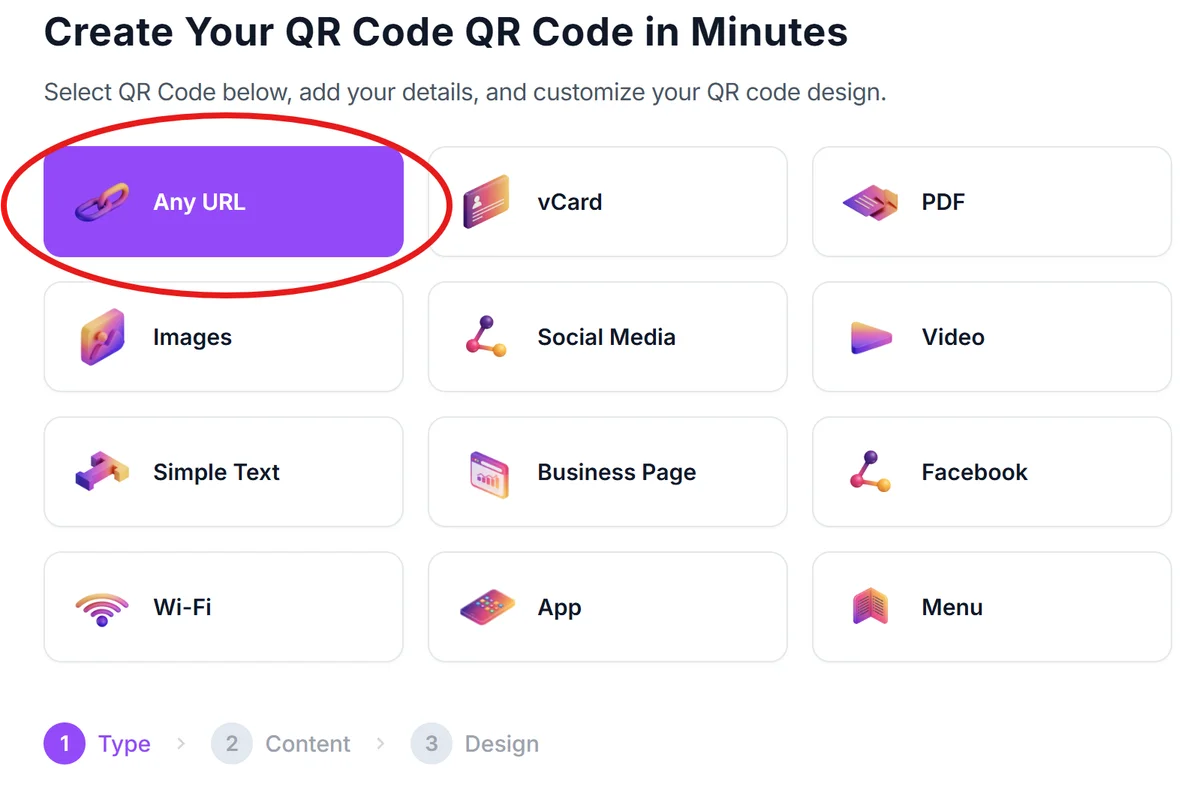
Enter your ceramic content URL
Input the web address where people can learn more about your work. This might be your Etsy shop, Instagram profile, portfolio website, or a specific page about your ceramic techniques.
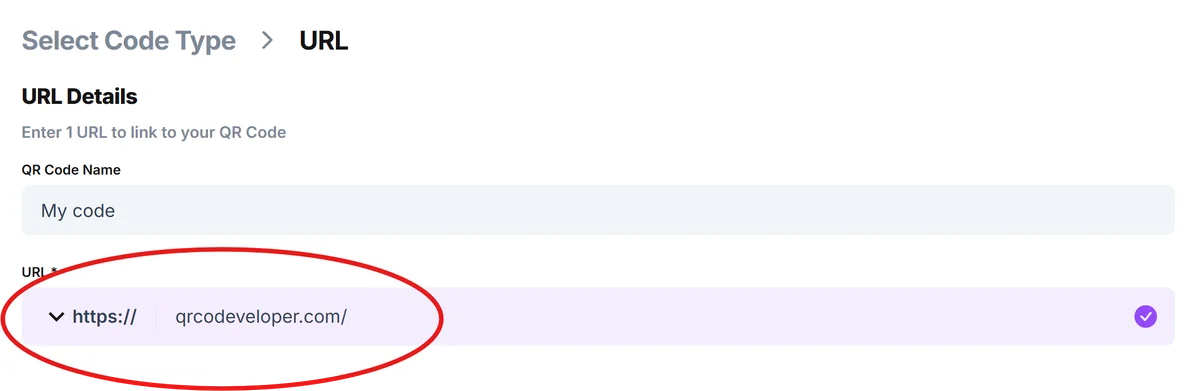
Customize for ceramic displays
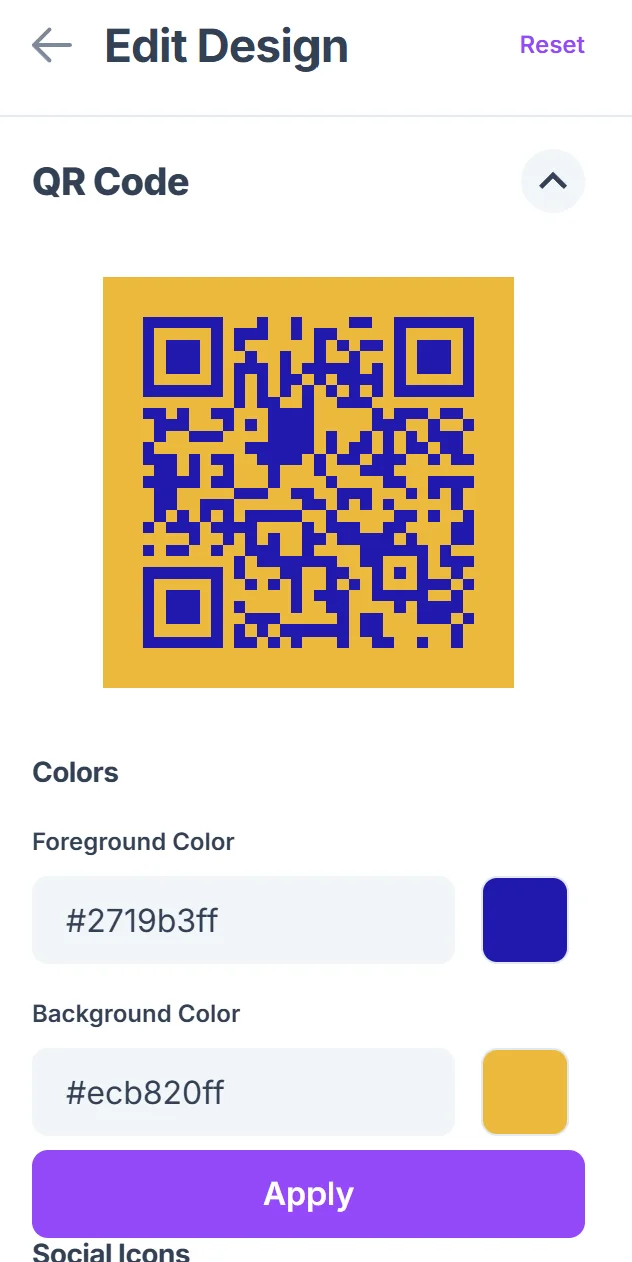
Click on the pencil icon in the Preview window to further customize your code. Choose colors that complement your ceramic aesthetic - earth tones often work well. Ensure sufficient contrast for easy scanning, especially if printing on textured paper or ceramic surfaces. For more guidance on visual appeal, check out our QR code design tips.
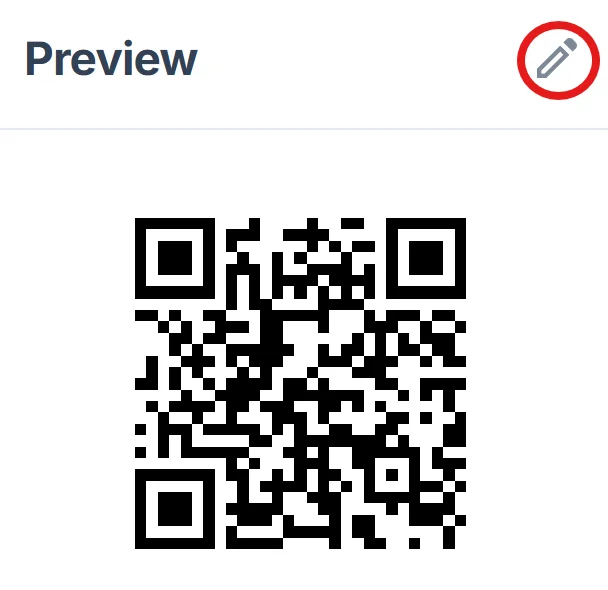
Test across different materials
Print your QR code on various materials you'll use - business cards, gallery placards, or ceramic-safe labels. You might also consider creating QR code stickers for versatile placement options. Test scanning from different distances and lighting conditions typical of your display environment.
Integrate into your ceramic presentation
Place codes strategically near your pieces without overwhelming the art itself. Consider small, elegant placard stands or incorporating codes into your artist statement materials.
Best practices for ceramic QR codes
Ceramic artists work in unique environments - from dusty studios to elegant galleries. These tips help ensure your QR codes work reliably across different settings.
Size your QR codes appropriately for viewing distance - gallery visitors typically scan from 2-3 feet away, while craft fair browsers may be closer
Use weather-resistant materials for outdoor shows and markets, as ceramic displays often happen in varying conditions
Create different QR codes for different contexts - one for your general portfolio, another for workshop information, and specific ones for individual piece details
Keep your linked content mobile-friendly since most people will scan with their phones, and include high-quality images that showcase your ceramic textures and glazes
Frequently Asked Questions
Can I put QR codes directly on ceramic pieces?
While possible with special ceramic decals, most artists find it more practical to place QR codes on accompanying display materials like placards or business cards to preserve the aesthetic integrity of their pieces.
What should my ceramics QR code link to?
Link to content that enhances the viewer's experience - your portfolio website, process videos, artist statement, or online shop. Choose based on your primary goal: education, sales, or building your following.
How do I make QR codes that match my ceramic aesthetic?
Choose earth tones and colors that complement your work, but maintain enough contrast for reliable scanning. Many ceramic artists use cream backgrounds with dark brown or deep blue codes.
Will QR codes work in dimly lit galleries?
Most modern smartphones can scan QR codes in low light conditions. However, ensure your codes have strong contrast and consider the typical lighting at your display venues when designing.
Are there free options for ceramic artists just starting out?
Yes, you can create basic QR codes for free that link to your existing social media profiles or website. This is perfect for testing how customers respond before investing in more advanced features.
Related Guides
Ready to create your QR code?
Generate custom QR codes in seconds - free and easy to use.
Create Free QR Code →