QR codes for SEO strategy transformation and digital marketing

Bridge offline marketing with digital analytics to supercharge your search engine rankings and campaign tracking.
How QR codes revolutionize SEO campaign tracking
As businesses increasingly blur the lines between physical and digital marketing touchpoints, QR codes are emerging as a surprising catalyst for SEO strategy transformations. Marketing teams are discovering that these simple square codes can bridge the gap between offline campaigns and online performance tracking, fundamentally reshaping how they measure and improve their search visibility.
QR codes designed for SEO strategy transformation connect your physical marketing materials directly to your digital properties. When someone scans a QR code from your business card, flyer, or storefront sign, they land on specific pages where you can track their behavior, measure engagement, and attribute conversions to offline sources.
Throughout this article, I'll show you how to create QR codes that not only drive traffic but also provide valuable data for your SEO efforts. You'll also want to explore our QR codes for Google Maps guide to understand how location-based QR campaigns can boost local SEO performance. So let's dive right in!
Strategic applications for SEO-focused QR campaigns
Smart marketers use QR codes to create measurable connections between offline touchpoints and online conversions. These codes help you understand which physical locations, printed materials, or events drive the most valuable traffic to your website. Check out our QR codes for landing pages guide to see how dedicated landing pages can maximize your campaign tracking.
Print advertising attribution
Track which magazine ads, newspaper placements, or direct mail pieces generate website traffic and conversions by using unique QR codes for each publication.
Event lead qualification
Generate qualified leads at trade shows and conferences by directing attendees to registration forms or exclusive content that captures their information for follow-up. Consider using event QR codes to streamline the registration process.
Local SEO enhancement
Place QR codes on storefront windows, business cards, and local advertisements to drive foot traffic to location-specific landing pages that boost local search rankings.
Content marketing amplification
Include QR codes in printed materials that link to your latest blog posts, case studies, or video content, extending the reach of your digital content strategy.
Building SEO-optimized QR code campaigns
Creating QR codes that support your SEO strategy requires more than just generating a basic code. You need to plan the user journey, set up proper tracking, and ensure each code serves a specific purpose in your marketing funnel.
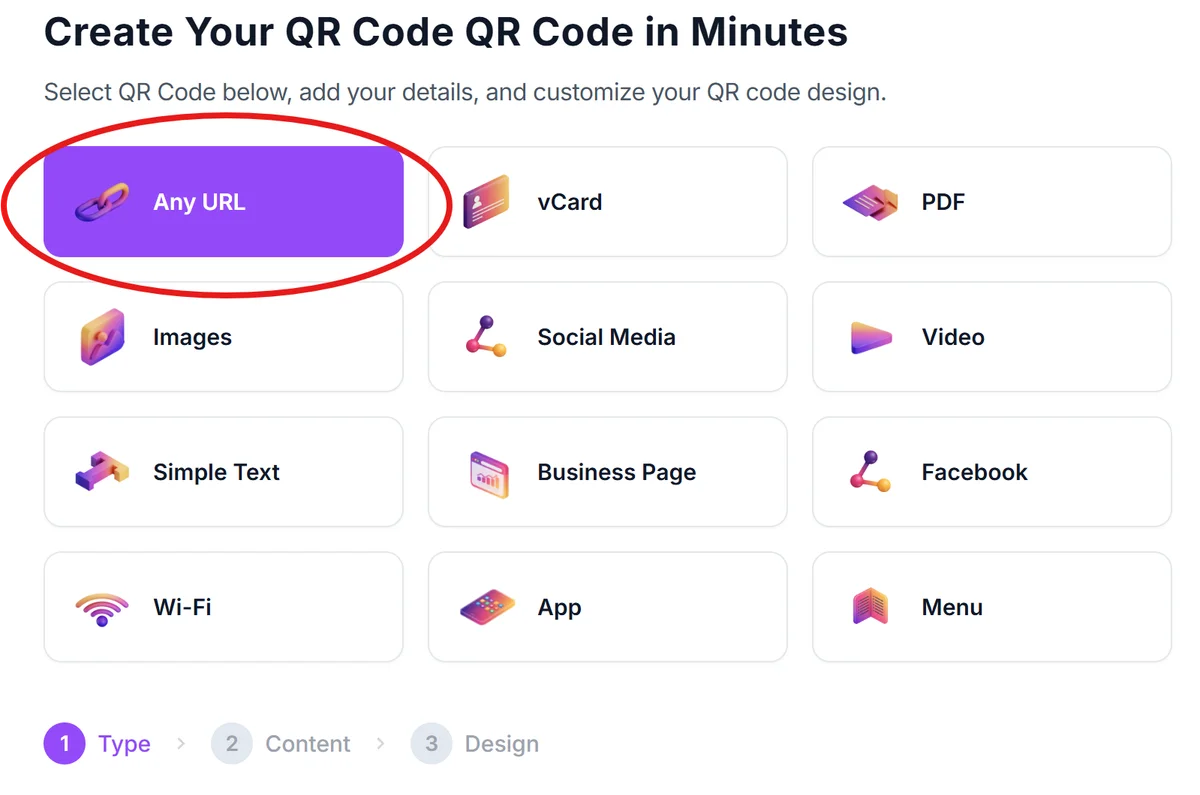
Access your campaign generator
Visit qrcodeveloper.com and select the URL option to create codes that direct users to specific landing pages designed for tracking and conversion.
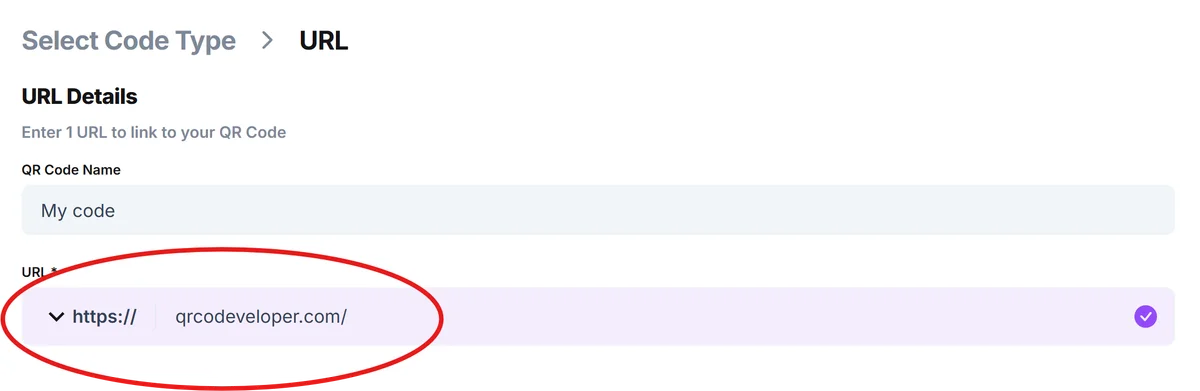
Configure tracking parameters
Add UTM parameters to your destination URLs so you can track campaign performance in Google Analytics. Include source, medium, and campaign name to identify which QR codes drive the most valuable traffic.
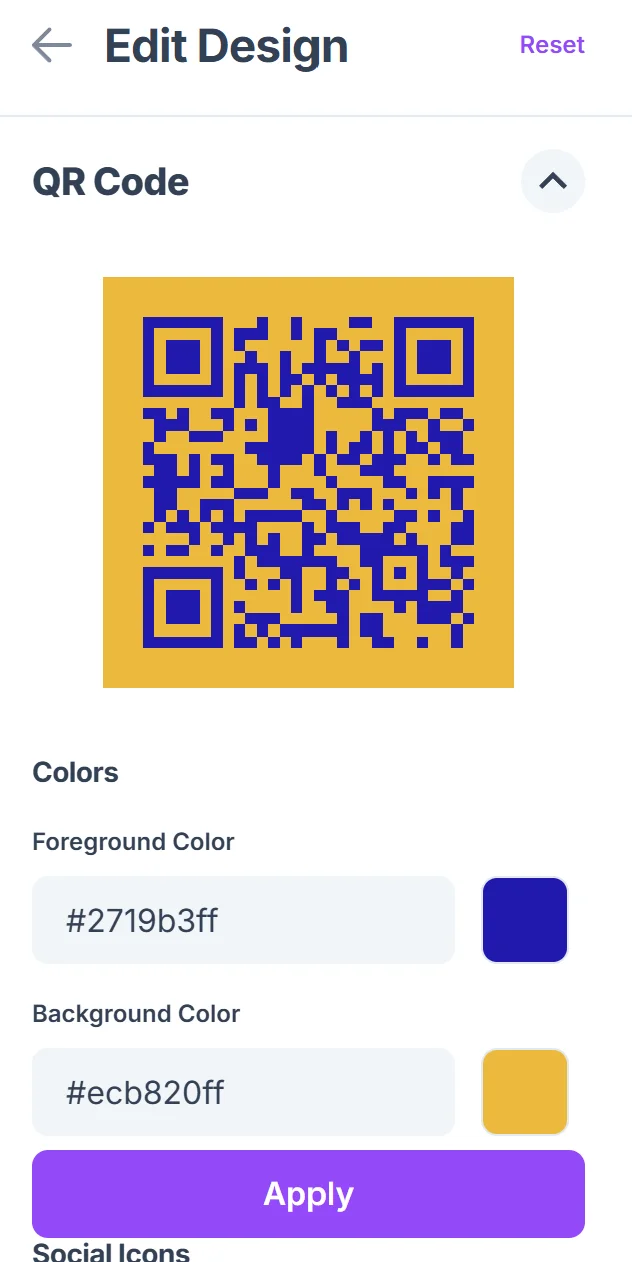
Design for brand consistency
Click on the pencil icon in the Preview window to further customize your code. Customize your QR code colors and add your logo to maintain brand recognition while ensuring the code remains scannable across different lighting conditions and surfaces.

Test across multiple devices
Scan your QR code with different smartphones and in various lighting conditions to ensure consistent performance before printing or displaying publicly.
Monitor and iterate
Set up regular reporting to track scan rates, conversion rates, and user behavior patterns, then adjust your strategy based on which codes perform best. Understanding static vs dynamic QR codes will help you choose the right type for tracking purposes.
Advanced tactics for QR code SEO integration
Successful QR code campaigns for SEO require strategic thinking about placement, timing, and measurement. These best practices will help you maximize both scan rates and search engine benefits.
Create dedicated landing pages for each QR code campaign with unique, valuable content that encourages users to explore more of your website and improves dwell time metrics
Use A/B testing for QR code placement and design to identify which versions generate higher scan rates and better user engagement on your target pages
Include clear calls-to-action near your QR codes that explain what users will find when they scan, reducing bounce rates and improving the quality of traffic to your site
Track the complete user journey from QR code scan to conversion, not just initial page views, to understand which offline touchpoints contribute most to your business goals
Frequently Asked Questions
How do QR codes improve SEO performance?
QR codes improve SEO by driving targeted traffic to your website, increasing user engagement metrics, and providing data about which offline marketing efforts generate the most valuable online conversions.
What tracking should I set up for SEO-focused QR campaigns?
Set up UTM parameters for campaign tracking, monitor page engagement metrics like time on site and bounce rate, and track conversion paths from QR code scans to final actions like purchases or form submissions.
Can I customize QR codes while maintaining SEO benefits?
Yes, you can customize colors, add logos, and adjust design elements while preserving scannability and tracking functionality. Just ensure sufficient contrast and test across different devices before deploying.
How do I measure QR code campaign success for SEO?
Measure success through scan rates, landing page engagement metrics, conversion rates, and the overall impact on your website's search performance and user behavior patterns.
Are QR code generators free for SEO campaigns?
Many QR code generators offer free basic features that work well for SEO campaigns, including URL linking and basic customization options needed for effective campaign tracking.
Related Guides
Ready to create your QR code?
Generate custom QR codes in seconds - free and easy to use.
Create Free QR Code →