How denim brands use QR codes for digital transformation

Denim brands bridge physical and digital experiences through QR codes, connecting customers to authenticity stories, styling guides, and sustainable practices directly from their garments.
Practical applications for denim companies
Denim brands use QR codes to solve specific customer needs and business challenges. These applications range from authentication to customer education, with each serving a distinct purpose in the customer journey. QR code business cards have shown similar success in creating instant digital connections.
Create QR CodeProduct authentication and origin stories
Premium denim brands embed QR codes in labels to verify authenticity and share the garment's journey from cotton field to finished product. This builds trust with customers concerned about counterfeits while highlighting sustainable practices and craftsmanship quality.
Digital care guides and styling tips
QR codes on hang tags link to comprehensive care instructions, washing guides, and styling videos specific to each denim style. This reduces return rates from improper care while helping customers maximize their investment through proper maintenance and versatile styling, much like how PDF QR codes provide instant access to detailed documentation.
Size and fit assistance
Interactive sizing guides accessed through QR codes help customers understand fit variations between different cuts and washes. This reduces online return rates by 25-30% while improving customer satisfaction with their purchases.
Why denim brands are embracing QR technology
Checking the authenticity of premium denim might require calling customer service or visiting brand websites to verify serial numbers. But it doesn't have to! With QR codes, customers can simply scan a QR code sewn into the garment's label and instantly access the jean's complete story - from cotton source to manufacturing details.
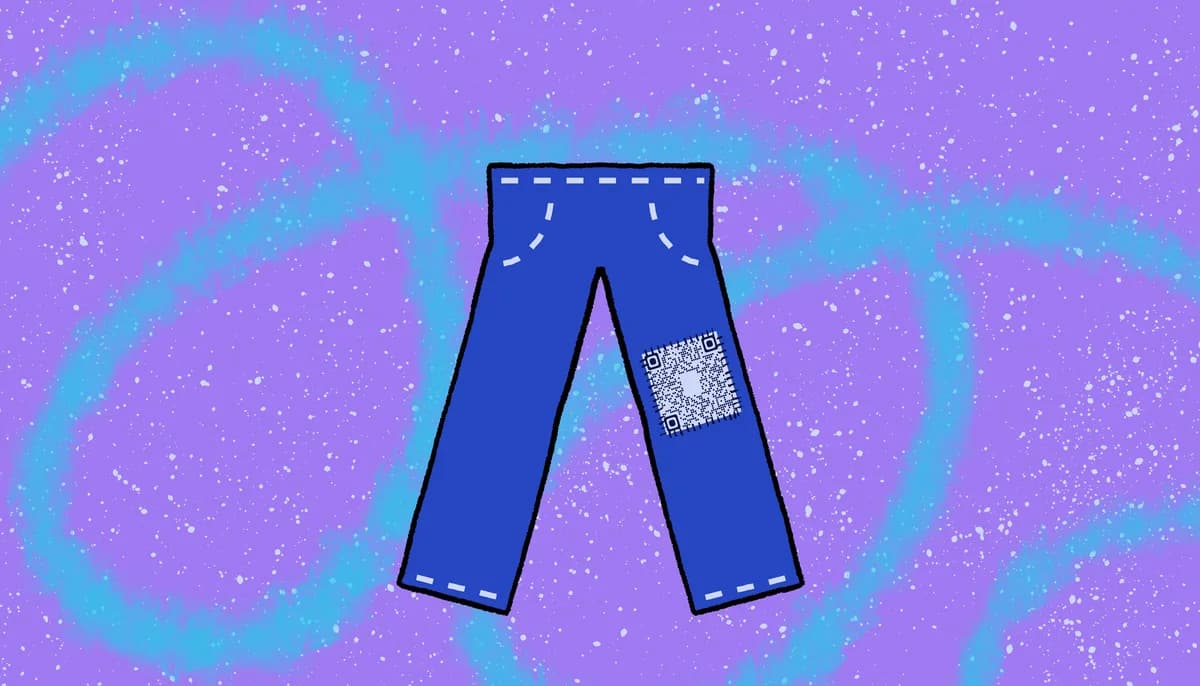
QR codes can solve a fundamental challenge in the denim industry: connecting physical products with rich digital content. Modern consumers want transparency about their clothing's origins, care instructions, and styling possibilities. A QR code on a hang tag or sewn-in label provides immediate access to this information without requiring customers to remember website URLs or product codes, similar to how QR code stickers create instant digital connections.
This technology particularly benefits denim brands because it transforms a simple purchase into an ongoing relationship. Through strategic QR code placement, brands can share sustainability certifications, styling videos, and care guides that extend the garment's lifespan. Our QR Code Developer platform makes it simple to create these branded connections that enhance customer experience while building brand loyalty.
Setting up QR codes for your denim brand
Creating effective QR codes for denim products requires careful planning of content and placement strategy:
Select your content destination
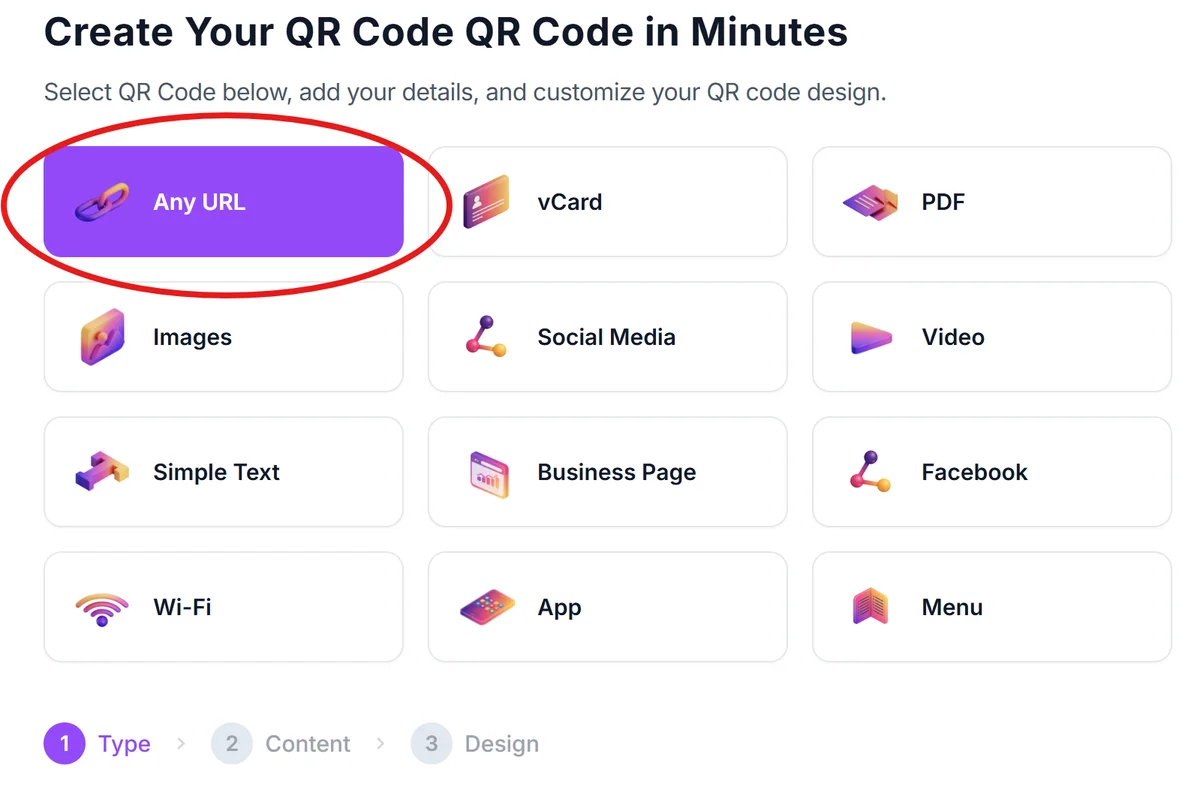
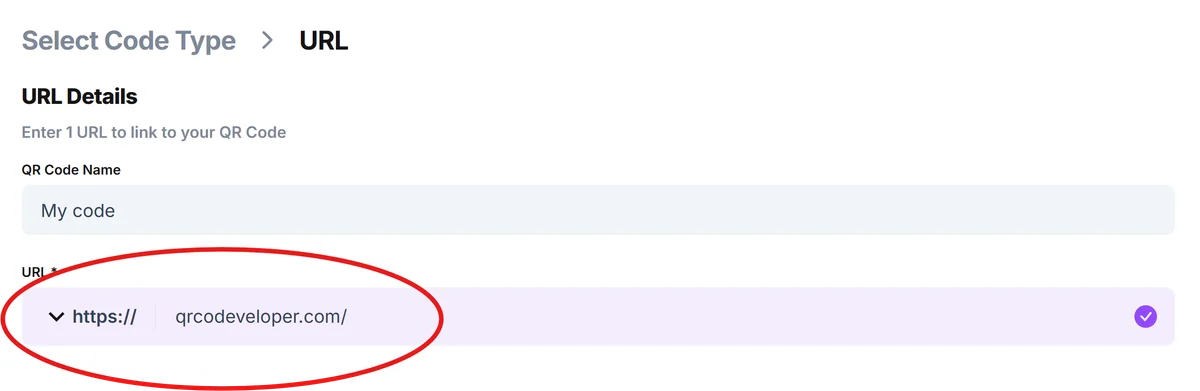
Choose what information customers need most - product authentication, care guides, or brand stories. Visit qrcodeveloper.com and select URL QR codes for web content or PDF codes for downloadable guides.
Prepare your digital content
Click on the pencil icon in the Preview window to further customize your code. Create mobile-friendly pages with product details, care instructions, styling videos, or sustainability information. Ensure content loads quickly since customers often scan codes in-store with varying internet speeds.

Design for denim aesthetics
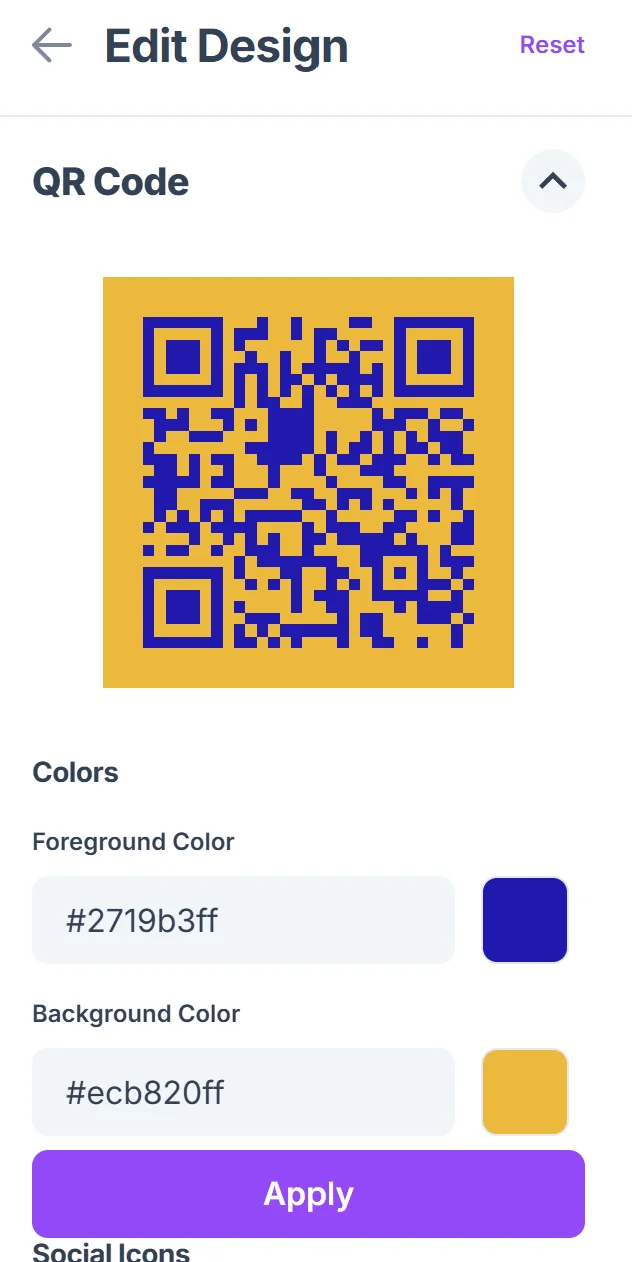
Customize QR codes to match your brand colors - indigo blues, classic blacks, or vintage browns work well on denim labels. Keep designs simple since complex patterns may not scan properly on fabric textures. Follow proven QR code design tips to ensure optimal scanning performance.
Test across different materials
Scan QR codes on various label materials, hang tags, and fabric textures to ensure consistent performance. Test in different lighting conditions typical of retail environments and customer homes.
Integrate with production workflow
Coordinate with manufacturers to include QR codes on labels, hang tags, or packaging during production. Establish quality control processes to verify each code links to correct product information before shipping.
Implementation strategies that work
Get the best results with these tips:
Place QR codes on durable labels or hang tags rather than directly on denim fabric to maintain scan quality through washing and wear
Include brief text explaining what customers will find - 'Scan for care guide' or 'Verify authenticity' increases scan rates by 60%
Create mobile-first content since 98% of QR scans happen on smartphones, and denim customers often shop on-the-go
Update seasonal content regularly - link to summer styling tips in spring or holiday outfit ideas in fall to keep information relevant
Track scan analytics to understand which products and information types generate most customer engagement, then expand successful approaches across your product line
Frequently Asked Questions
Will QR codes survive washing and normal wear?
QR codes printed on quality labels or sewn-in tags typically survive normal washing cycles. However, codes printed directly on fabric may fade over time. Most brands place codes on interior labels or removable hang tags for durability.
How much does it cost to add QR codes to denim products?
QR code generation is free, but implementation costs include label printing, website development, and content creation. Most brands see costs of $0.05-0.15 per garment for QR-enabled labels, which typically pays for itself through reduced customer service calls and increased brand engagement.
What type of information should denim QR codes contain?
Focus on information customers actively seek: care instructions, sizing guides, authenticity verification, and styling inspiration. Avoid overwhelming customers with too much information - prioritize 2-3 key content types that address your most common customer questions.
How can I track QR code performance on denim products?
Use analytics platforms to monitor scan rates, geographic data, and content engagement. Track which product categories generate most scans and what content keeps customers engaged longest. This data helps refine your QR strategy and content priorities.
Should QR codes replace traditional product labels?
QR codes work best as supplements to traditional labels, not replacements. Include essential information like size, care symbols, and fabric content on physical labels, then use QR codes to provide expanded details, styling tips, and brand stories.
Related Guides
Ready to implement your solution?
Generate custom QR codes for your industry in seconds.
Create Free QR Code →