QR codes on cosmetics: Complete guide for beauty brands

Beauty shoppers used to guess ingredients and hunt for tutorials. QR codes on cosmetic packaging now connect customers instantly to product information, tutorials, and exclusive offers.
Key Takeaways
- QR codes on cosmetics can increase customer engagement by 40-60% when linking to valuable content like tutorials or ingredient information
- Placement on the back or side of packaging works better than front placement for maintaining aesthetic appeal
- Video tutorials and virtual try-on experiences generate the highest scan rates for beauty products
- Always test QR codes on actual packaging materials as reflective surfaces can affect scanning reliability
Searching for makeup tutorials on tiny product labels can often mean squinting at microscopic text or hoping the brand name was spelled correctly for a Google search. This can be especially frustrating, but most modern cosmetic packaging now features QR codes that instantly connect customers to video tutorials, ingredient lists, and personalized product recommendations with a simple scan.
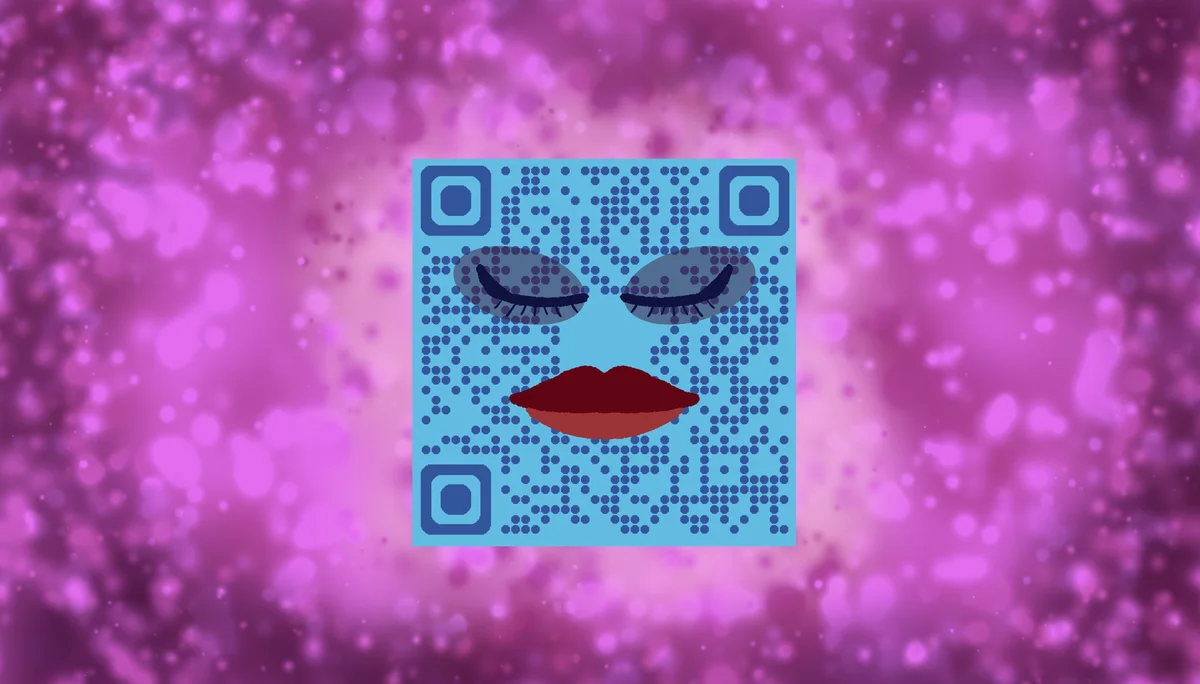
Beauty consumers expect transparency and education from their cosmetic purchases. QR codes can provide this information, allowing brands to provide comprehensive product information, application techniques, and customer support without cluttering packaging design.
In this guide I will cover everything from initial QR code setup to advanced engagement strategies. I'll also share insights on QR code design specifically for cosmetic packaging and how to measure the success of your beauty brand's digital initiatives. So let's get started!
Setting up QR codes for cosmetic products
Creating effective QR codes for cosmetics starts with choosing the right content destination and ensuring reliable scanning across different packaging materials. The reflective nature of many cosmetic packages requires careful consideration of QR code placement and design contrast, similar to considerations when creating QR code stickers for various surfaces.
Start with QR Code Developer to create your cosmetic QR codes. The platform supports various content types perfect for beauty brands, from product information pages to video tutorials and customer reviews.
Choose your cosmetic content strategy
Decide what value you'll provide customers through the QR code. Popular options include ingredient transparency pages, application tutorials, shade matching tools, customer reviews, or exclusive discount codes for repeat purchases. Focus on content that directly addresses common customer questions about your specific product.
Generate QR codes for beauty packaging
Create a URL QR code that directs to your chosen content. For cosmetics, I recommend using dynamic QR codes so you can update the destination content without reprinting packaging. This flexibility allows you to refresh tutorials, update ingredient information, or rotate promotional offers.
Test on packaging materials
Print test QR codes on the same materials as your final packaging. Glossy surfaces, metallic finishes, and curved containers can all affect scanning reliability. Test with multiple smartphone cameras and lighting conditions to ensure consistent performance.
Content strategies that drive engagement
The most successful cosmetic QR codes connect customers to content that genuinely improves their product experience. Beauty shoppers often scan QR codes when they expect to learn something new or access exclusive value.
Focus on educational and interactive content that addresses the specific needs of your product category. Foundation QR codes might link to shade matching tools, while eyeshadow palettes could connect to step-by-step tutorial videos.
Educational content that converts
Create comprehensive product education pages featuring ingredient benefits, application techniques, and compatibility information. Include high-quality photos showing the product in use and detailed instructions for best results. Consider adding skin tone or undertone guidance for color cosmetics, or link to PDF guides with detailed ingredient information.
Interactive beauty experiences
Develop virtual try-on tools, shade matching quizzes, or personalized routine builders. These interactive elements keep customers engaged longer and provide valuable data about their preferences. Link to YouTube tutorials featuring your products for visual learners.
Exclusive access and loyalty programs
Offer QR code scanners early access to new products, exclusive discount codes, or entry into beauty communities. This approach builds customer loyalty while providing measurable value for the scanning action. Consider seasonal promotions or limited-time offers to encourage immediate scanning, and integrate with Instagram QR codes to build your social media following.
Placement and design considerations
QR code placement on cosmetic packaging requires balancing functionality with aesthetic appeal. Beauty products compete heavily on visual design, so QR codes must integrate seamlessly without disrupting the overall packaging aesthetic.
Consider the customer journey when placing QR codes. Customers often scan codes after purchase while at home, so placement should be visible and accessible when the product is in use, not just at the point of sale.
Strategic placement for beauty products
Place QR codes on the back or bottom of packaging where they're easily accessible but don't interfere with front-facing design elements. For compacts and palettes, consider the interior surface or the back of mirrors. Ensure the code remains scannable even when the product is nearly empty.
Design integration techniques
Use QR codes that complement your brand colors while maintaining sufficient contrast for reliable scanning. Consider incorporating your logo into the center of the QR code or using branded frames. The code should feel like an intentional design element, not an afterthought.
Size and contrast optimization
Maintain a minimum size of 1 inch (2.5 cm) square for reliable smartphone scanning. Ensure high contrast between the QR code and background - dark codes on light backgrounds typically perform best. Avoid placing codes over busy patterns or gradients that might interfere with scanning.
Expert recommendations for cosmetic QR codes
These strategies will help you maximize the effectiveness of QR codes on your beauty products while maintaining the premium feel customers expect from cosmetic packaging.
Include a brief call-to-action near the QR code like 'Scan for tutorials' or 'Get your shade match' to increase scan rates by clearly communicating value
Create mobile-optimized landing pages that load quickly and display properly on smartphones - beauty shoppers often scan codes in poor lighting conditions
Update QR code destinations seasonally to keep content fresh and relevant - link to holiday looks during December or summer skincare tips during warmer months
Track scan analytics to understand which products and placements generate the most engagement, then apply those insights across your product line
Consider multilingual content for international beauty brands, or use geolocation to automatically serve region-appropriate content and offers
Frequently Asked Questions
Will QR codes work on metallic or holographic cosmetic packaging?
QR codes can work on metallic packaging with proper design considerations. Use high contrast (black codes on white backgrounds work best), ensure the code is large enough (minimum 1 inch square), and test thoroughly on your actual packaging materials. Avoid placing codes on highly reflective areas or curved surfaces that might distort the pattern.
What type of content gets the highest scan rates for beauty products?
Tutorial videos and application guides generate the highest engagement, followed by ingredient information and shade matching tools. Customers are most likely to scan when they expect to learn something that improves their product experience. Exclusive offers and early access to new products also perform well for building loyalty.
Should I use static or dynamic QR codes for cosmetic packaging?
Dynamic QR codes are recommended for cosmetic packaging because they allow you to update content without reprinting packages. This flexibility lets you refresh tutorials, update ingredient information, rotate seasonal promotions, or fix broken links. The ability to track scan analytics is also valuable for measuring campaign success.
How do I ensure QR codes don't hurt my packaging design?
Integrate QR codes thoughtfully by placing them on the back or sides of packaging, using brand-appropriate colors while maintaining scan contrast, and sizing them appropriately for the package. Consider the code as a design element rather than an add-on. You can also incorporate your logo into the center of the QR code for brand consistency.
What's the best size for QR codes on small cosmetic items like lipsticks?
For small items like lipsticks, aim for a minimum of 0.75 inches (1.9 cm) square, though 1 inch is preferable if space allows. Consider placing the code on the bottom of the product or on secondary packaging like boxes or inserts. Test scanning from typical viewing distances to ensure the code remains functional at the chosen size.
Related Guides
Ready to create your QR code?
Generate custom QR codes in seconds - free and easy to use.
Create Free QR Code →