qr code rubber stamps

Rubber stamps put a scannable code on packaging, paperwork, and mail without a printer nearby, cutting label costs for businesses that hand-stamp materials daily.
Key Takeaways
- A dynamic QR code is safer for a stamp than a static one, since you can't edit ink once it's carved into rubber, but you can still change the destination link later.
- Higher error correction (Level H) matters more for stamps than printed labels because ink smudging and uneven pressure are common scanning obstacles.
- Order a physical test stamp before mass-producing one, since rubber engraving companies vary in how finely they can reproduce small QR modules.
The market for QR code labels is on track to hit $2.1 billion by 2027, growing at nearly 9% a year according to Precedencer Research, and a good chunk of that growth is happening on materials that never touch a digital printer. A QR code rubber stamp is a physical ink stamp, cut in the shape of a QR code, that you press onto paper, cardboard, wood, fabric, or even concrete to add a scannable link without printing a new label every time.
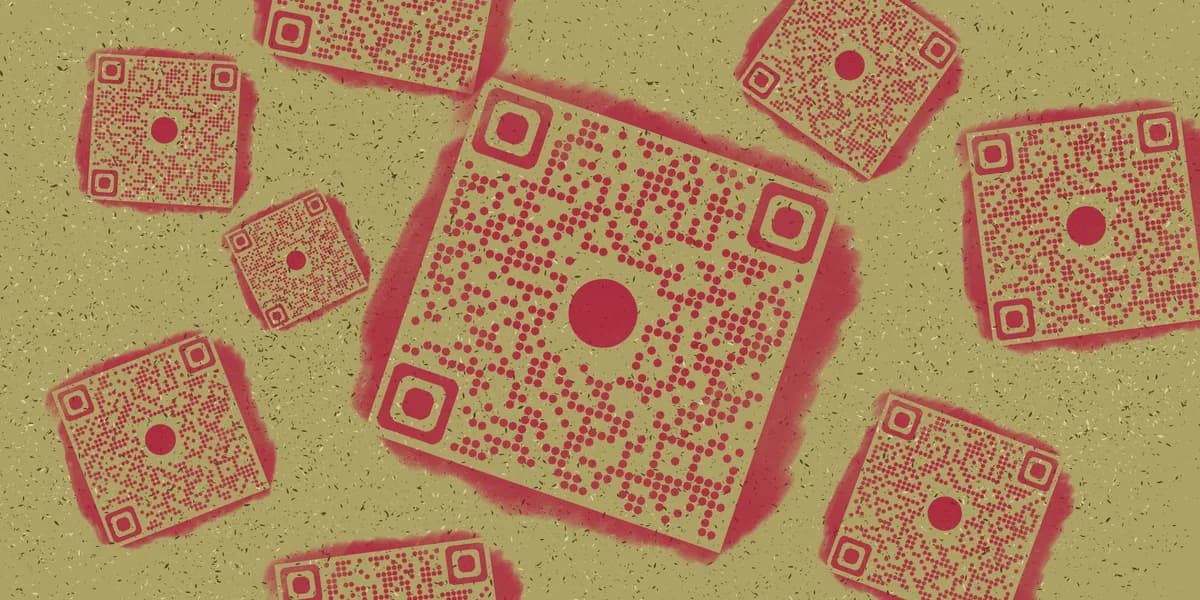
Businesses use them on shipping boxes, invoices, product tags, artisan packaging, event wristbands, and even real estate signage. Instead of ordering pre-printed stickers in bulk, you buy one stamp and reuse it thousands of times, which is a big deal for small operations that need flexibility without a per-unit printing cost.
The catch is that stamps behave differently than digital prints. Ink bleeds, pressure varies, and rubber wears down, so getting a stamp that scans consistently takes a bit more planning than uploading a code to a QR code generator and hitting print.
How to make and use a QR code stamp
Making a working QR code stamp involves generating the code, prepping the file for rubber engraving, and testing the physical result before you rely on it in the field. Skip any of these steps and you risk a stamp that looks fine but fails to scan half the time.
Step 1: Generate a dynamic QR code
Start with a dynamic QR code rather than a static one. A static code bakes the destination URL directly into the pattern, so if your link ever changes, the stamp is useless and you'd need a new rubber die cut. A dynamic code points to a short redirect URL you control, so you can update where it sends people without touching the physical stamp. Create yours with the free QR code generator and choose a destination like your website, a menu, or a contact card.
Step 2: Bump up the error correction level
Set error correction to High (Level H) if your generator gives you the option. This lets a scanner read the code even if up to 30% of it is damaged, smudged, or unevenly inked, which happens constantly with hand stamping. Skipping this step is the single most common reason QR code stamps fail, so it's worth reviewing our guide on checking if a QR code is safe and scannable before mass production.
Step 3: Simplify the code before engraving
Avoid embedding logos or heavy design elements into a stamp code. Rubber engraving can't reproduce fine gradients or thin colored lines the way a printer can, so stick to a clean black-and-white pattern with generous quiet space (the blank border) around the edges. If you're used to designing branded codes, see our guide on QR code design for what translates well to physical media and what doesn't.
Step 4: Choose the right stamp size and rubber grade
Order a stamp at least 1 inch by 1 inch; anything smaller risks the individual modules (the small squares) merging together when ink spreads. Ask your stamp maker for a fine-detail or "photo polymer" rubber grade instead of standard laser rubber, since photo polymer holds finer lines and is the standard choice for detailed artwork like QR codes.
Step 5: Test on your actual material
Stamp on the same surface you'll use in production, whether that's cardboard, kraft paper, or fabric, and scan it with two or three different phone models, similar to how you'd test codes destined for a flyer. Ink absorbs differently across materials, and a code that scans perfectly on smooth paper might blur on corrugated cardboard. Adjust ink type (oil-based for glossy or plastic surfaces, water-based for porous paper) based on what you see.
Tips for stamps that scan reliably
A few small adjustments separate a stamp that works every time from one that frustrates customers.
Re-ink evenly and press with consistent pressure; light or patchy stamping is the top cause of failed scans on rough surfaces like cardboard.
Store the stamp cap-down or covered when not in use so dust and dried ink don't clog the fine rubber lines that form the QR pattern.
Rotate to a fresh stamp once edges start rounding from wear, usually after a few thousand impressions, since worn rubber blurs the sharp corners scanners rely on.
Pair the stamp with a printed backup on high-volume items like shipping labels, using stickers from our QR code stickers guide for anything that needs guaranteed consistency.
Frequently Asked Questions
Do QR code rubber stamps scan as reliably as printed codes?
They can, but they require more care. Ink spread, uneven pressure, and rubber wear all affect scan reliability in ways a laser printer doesn't. Using high error correction and testing on your actual material closes most of that gap.
Can I change the link after the stamp is made?
Only if you used a dynamic QR code. The physical stamp pattern is fixed once it's carved, but a dynamic code redirects through a URL you control, so you can point it to a new page anytime without reordering the stamp.
What ink works best for QR code stamps?
Water-based ink works well on absorbent paper and cardboard, while oil-based or pigment ink holds up better on glossy, plastic, or fabric surfaces. Test both if you're not sure, since the wrong ink type is a common cause of blurry, unscannable stamps.
How small can a QR code stamp be and still work?
Most stamp makers recommend staying above 1 inch square for hand stamps. Below that, the individual modules get too close together and ink bleed tends to merge them into unreadable blobs, especially on porous materials.
Are QR code stamps a good fit for product packaging?
Yes, especially for small-batch or handmade goods where printing custom labels for every run isn't cost-effective. See our guide on QR codes on food packaging for related placement and compliance tips.
Related Guides
Ready to create your QR code?
Generate custom QR codes in seconds - free and easy to use.
Create Free QR Code →