The future of QR codes: Market trends and emerging opportunities

QR code adoption is accelerating across industries, creating new opportunities for businesses to connect with customers and improve operations.
QR codes reshape digital interactions across industries
The global QR code market is projected to reach $3.6 billion by 2028, growing at a compound annual growth rate of 17.8%. This explosive growth isn't just about contactless payments or easy access to online blogs anymore - QR codes are becoming the bridge between physical and digital experiences across virtually every industry.

Modern QR codes serve as instant gateways to information, services, and experiences. They connect offline interactions to online content, enable contactless transactions, and provide real-time data collection capabilities. From healthcare patient portals to retail product authentication, QR codes are transforming how businesses operate and customers interact with brands.
The technology has evolved far beyond simple URL redirects. Today's QR code applications include dynamic content delivery, multi-language support, and advanced analytics. As we look toward the future, several key market segments are emerging as major drivers of QR code adoption and innovation.
Emerging market segments driving QR code growth
Several industries are experiencing rapid QR code adoption, creating new opportunities for businesses to improve customer experiences and operational efficiency. These expanding use cases demonstrate the versatility and growing importance of QR technology.
Healthcare patient engagement
Hospitals and clinics use QR codes for patient check-ins, medication tracking, and accessing medical records. This reduces wait times and improves patient satisfaction while maintaining privacy compliance.
Smart city infrastructure
Municipal governments deploy QR codes on public transportation, parking meters, and information kiosks. Citizens can access services, pay fees, and report issues instantly through their smartphones.
Supply chain transparency
Manufacturers embed QR codes in products to provide authenticity verification, sourcing information, and sustainability data. Consumers can trace products from origin to purchase through QR codes on food packaging and other consumer goods.
Educational technology integration
Schools and universities use QR codes for attendance tracking, accessing digital resources, and connecting classroom activities to online content. This bridges traditional and digital learning environments.
Building your QR code strategy for tomorrow
Developing a forward-thinking QR code strategy requires understanding both current capabilities and future trends. Here's how to position your business for success:
Identify your digital touchpoints
Start by mapping where customers interact with your business offline. Visit qrcodeveloper.com to explore different QR code types that can bridge these physical-digital gaps.
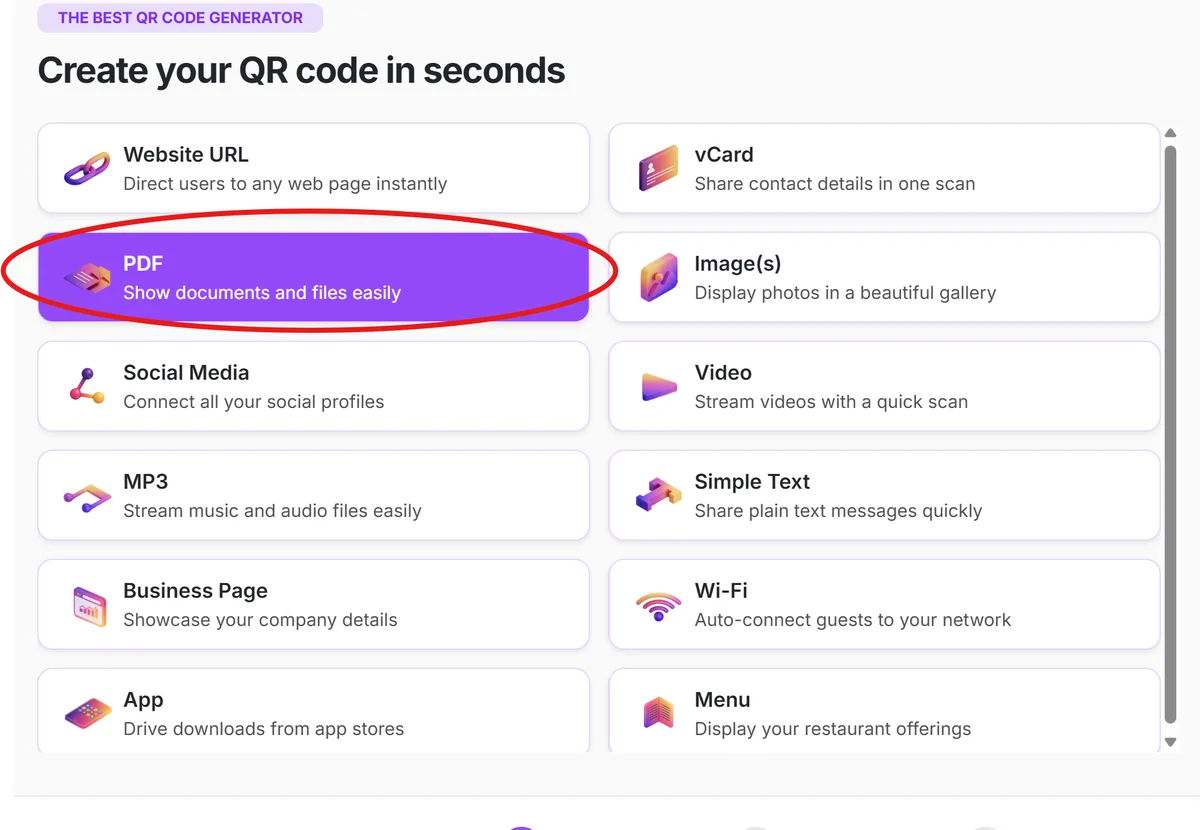
Choose dynamic over static codes
Select dynamic QR codes that allow you to update content, track scans, and gather analytics. This flexibility is crucial for adapting to changing customer needs and measuring success.
Design for accessibility and context
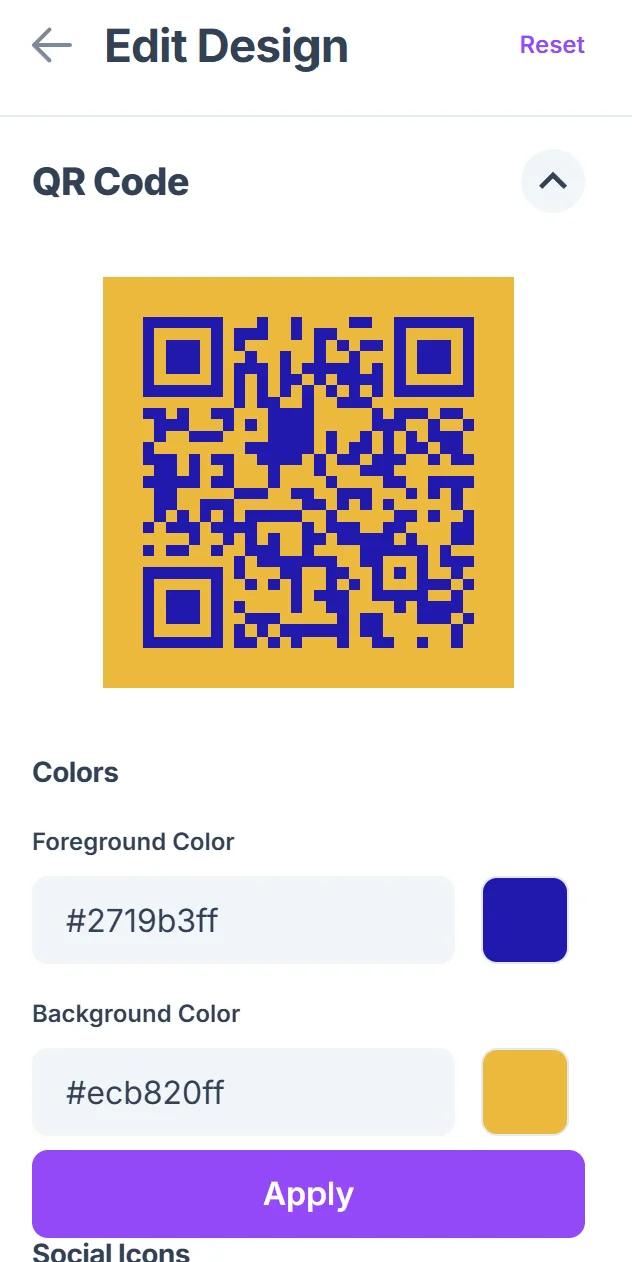
Create QR codes that work across different devices and lighting conditions. Consider placement, size, and contrast to ensure reliable scanning experiences for all users, following proven QR code design principles.
Integrate with existing systems
Connect your QR codes to CRM systems, analytics platforms, and customer databases. This integration enables personalized experiences and valuable data collection.
Plan for scalability and security
Implement QR code management systems that can handle growth and include security measures to protect against QR code phishing attacks and other misuse. Regular monitoring and updates ensure continued effectiveness.
Future-proofing your QR code implementation
As QR code technology continues to evolve, these best practices will help ensure your implementation remains effective and competitive:
Focus on mobile-first experiences since 85% of QR code scans happen on smartphones. Test your landing pages across different devices and screen sizes.
Implement progressive web apps (PWAs) as QR code destinations to provide app-like experiences without requiring downloads.
Use A/B testing to compare different QR code placements, designs, and call-to-action messages to improve scan rates and engagement.
Plan for privacy regulations by implementing clear data collection policies and giving users control over their information sharing preferences.
Frequently Asked Questions
Which industries will see the biggest QR code growth?
Healthcare, retail, hospitality, and public services are experiencing the fastest QR code adoption. These sectors benefit most from contactless interactions and digital-physical integration.
Are QR codes secure enough for sensitive applications?
Modern QR code implementations include encryption, authentication, and fraud detection features. When properly implemented with security best practices, they're suitable for sensitive applications.
How do I measure QR code campaign success?
Track scan rates, conversion rates, user engagement time, and geographic distribution. Dynamic QR codes provide detailed analytics to measure campaign effectiveness and ROI.
Will QR codes work with future smartphone technology?
QR codes are designed to be backward and forward compatible. New smartphones include enhanced scanning capabilities, but QR codes remain readable across all device generations.
What's the cost of implementing QR codes for business?
Basic QR code generation is often free, but advanced features like analytics, dynamic content, and custom designs may require paid plans. The ROI typically justifies the investment through improved efficiency and customer engagement.
Related Guides
Ready to create your QR code?
Generate custom QR codes in seconds - free and easy to use.
Create Free QR Code →