Product ingredients QR code for transparency and trust

Build customer trust instantly by linking products to complete ingredient lists, sourcing details, and allergen information through scannable codes.
Why QR codes are changing ingredient transparency
While most consumers want detailed ingredient information readily available, the truth is that traditional packaging labels often can't hold all the information necessary or that potential customers are looking for. You can only make text so small on a label before it becomes unreadable. The real challenge isn't providing more information—it's making existing ingredient data genuinely accessible when customers actually want to engage with it. Luckily, QR codes are here to help!
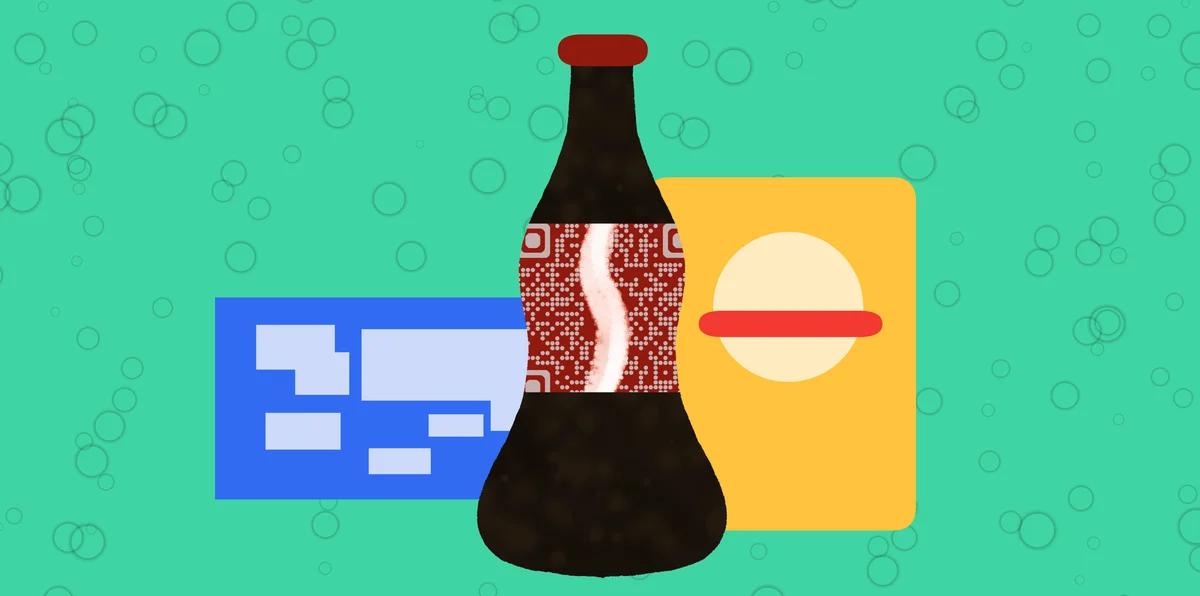
QR code on a product label can bridge this gap by connecting your physical product to a detailed digital ingredient profile. Customers can scan the code to access complete ingredient lists, nutritional breakdowns, allergen warnings, sourcing information, and even sustainability certifications - all without cluttering your packaging design.
Throughout this guide, I'll show you how to create effective ingredient transparency systems using QR Code Developer and share strategies that food brands, cosmetics companies, and consumer product manufacturers use to build trust through transparency. For broader QR code applications, you might also explore our guide on types of QR codes to understand different options available. So let's dive right in!
Smart ways brands share ingredient information
Product ingredients QR codes work across industries where transparency matters. From artisanal food producers to major cosmetics brands, companies use these codes to provide detailed information that builds customer confidence. Consider exploring QR codes on food packaging for additional packaging strategies.
Artisanal food products
Small-batch producers link to detailed sourcing stories, farm locations, and production methods that differentiate their products from mass-market alternatives.
Cosmetics and skincare
Beauty brands provide comprehensive ingredient glossaries, skin type recommendations, and clinical testing results to help customers make informed choices.
Specialty dietary products
Gluten-free, keto, or allergen-free products use QR codes to display detailed nutritional information and third-party certifications that matter to their target customers.
Restaurant and catering
Food service businesses share complete ingredient lists for dishes, helping customers with allergies or dietary restrictions make safe choices. Many restaurants are also implementing QR code menus that can seamlessly integrate ingredient information alongside their offerings.
Setting up your ingredient transparency system
Creating an ingredient QR code requires both the technical setup and the content strategy. Here's how to build a system that serves your customers effectively:
Choose your information platform
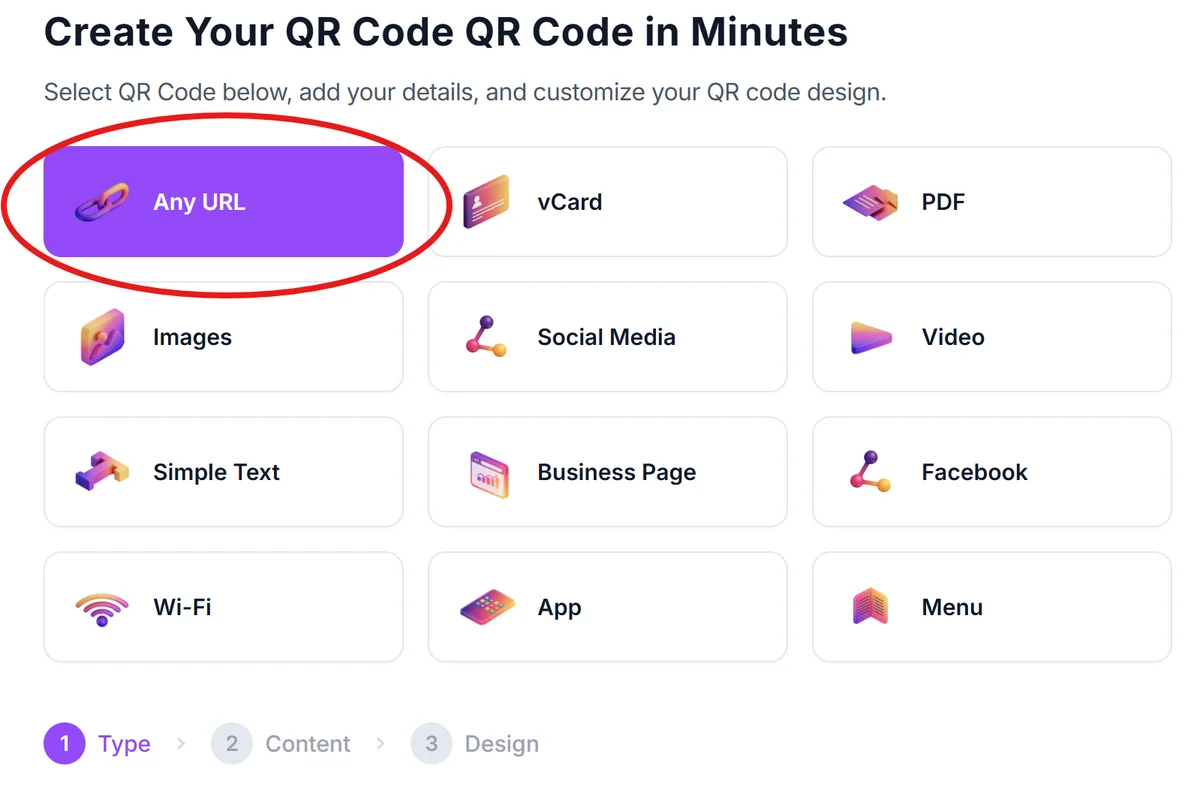
Visit qrcodeveloper.com and select URL QR code. You'll need a destination for your ingredient information - this could be a dedicated page on your website, a PDF document, or a specialized transparency platform.
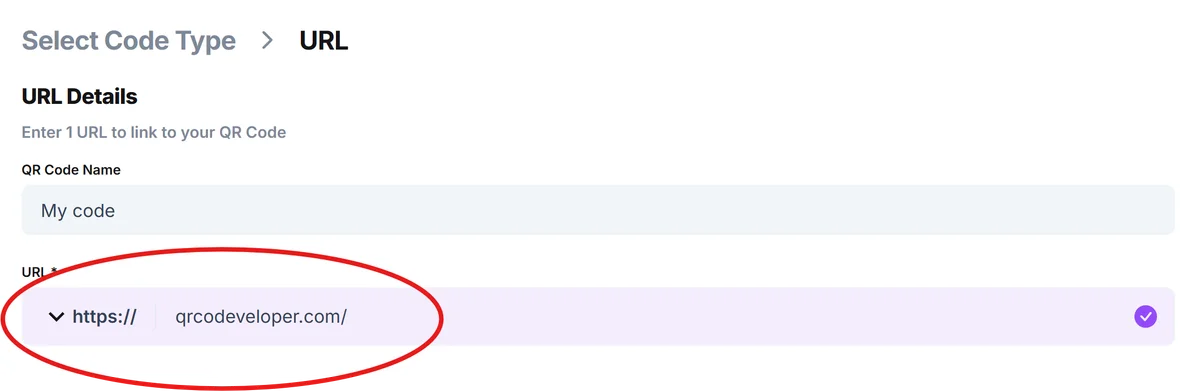
Enter your ingredient page URL
Paste the link to your ingredient information page. Make sure this page loads quickly on mobile devices since most customers will scan from their phones while shopping. If you're sharing detailed documentation, consider creating a PDF QR code for comprehensive ingredient guides.
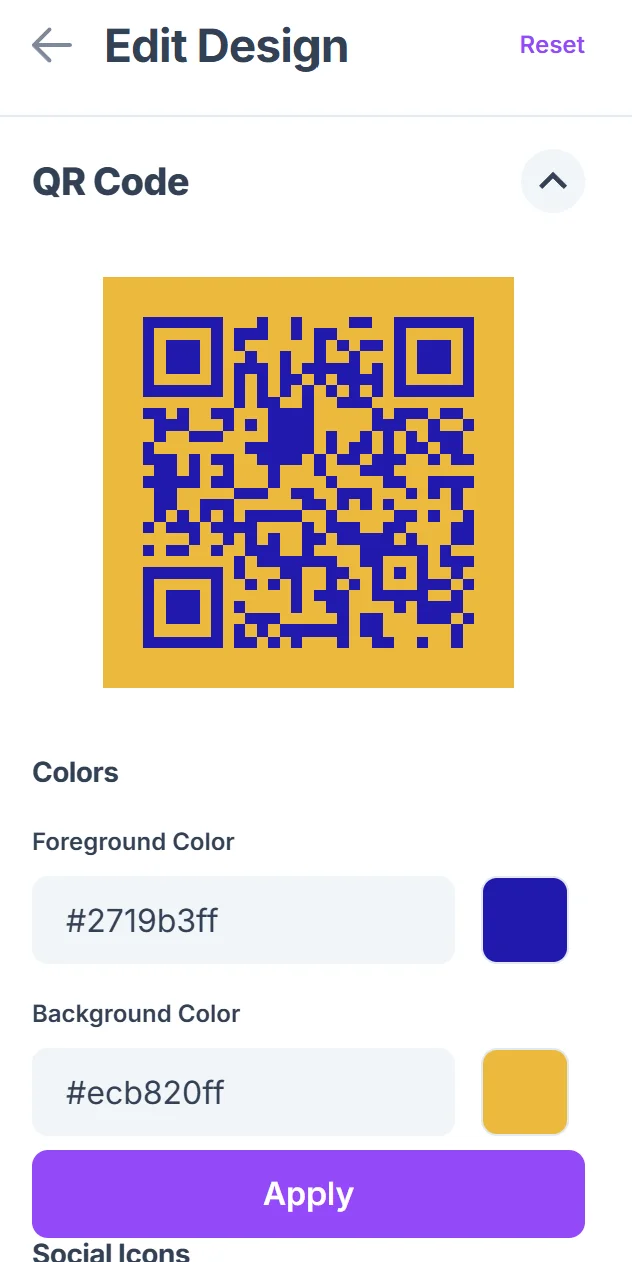
Design for product packaging
Click on the pencil icon in the Preview window to further customize your code. Customize your QR code to match your brand colors and add a clear call-to-action like 'Scan for ingredients' or 'View full ingredient list.' Size the code appropriately for your packaging - aim for at least 1cm x 1cm for reliable scanning. For design inspiration, check out our QR code design tips to create visually appealing codes that maintain scannability.

Test across different scenarios
Test scanning in various lighting conditions and from different angles. Have team members scan the code on actual product packaging to ensure it works in real shopping environments.
Monitor and update regularly
Track scanning analytics to understand customer engagement and update your ingredient information whenever formulations change. Keep your transparency promise current and accurate. Understanding static vs dynamic QR codes can help you choose the right approach for updating ingredient information without reprinting packaging.
Best practices for ingredient QR codes
Successful ingredient transparency goes beyond just listing components. These strategies help you create meaningful connections with health-conscious consumers:
Include sourcing stories and supplier information when possible - customers increasingly want to know where their ingredients come from and how they're produced
Organize information by customer priorities - put allergen warnings and dietary restrictions at the top, followed by detailed ingredient breakdowns
Add visual elements like ingredient origin maps or supplier photos to make the information more engaging and trustworthy
Keep technical jargon to a minimum and provide simple explanations for complex ingredients that customers might not recognize
Frequently Asked Questions
What information should I include on my ingredient transparency page?
Include complete ingredient lists, allergen warnings, nutritional information, sourcing details, and any relevant certifications. Consider adding explanations for complex ingredients and their purposes in your product.
How do I handle ingredient changes or reformulations?
Update your digital ingredient page immediately when formulations change, and consider using batch-specific QR codes for products with frequent updates. Always maintain accuracy between your physical packaging claims and digital information.
Can I use QR codes for regulatory compliance?
QR codes can supplement required labeling but typically cannot replace mandatory on-package information. Check with regulatory authorities in your market to ensure compliance while using QR codes for additional transparency.
How do I make ingredient information accessible to all customers?
Ensure your ingredient page works well with screen readers, offers text in multiple languages if relevant, and provides alternative access methods for customers who cannot scan QR codes.
Is there a cost to create ingredient QR codes?
Basic QR code generation is free, but you'll need to host the ingredient information somewhere accessible. Most businesses use existing website infrastructure or simple PDF hosting for cost-effective transparency solutions.
Related Guides
Ready to create your QR code?
Generate custom QR codes in seconds - free and easy to use.
Create Free QR Code →