QR codes in mobile marketing: pros, cons, and strategic implementation

Master the advantages and pitfalls of QR code mobile marketing to make informed decisions that boost engagement and avoid costly mistakes.
Key Takeaways
- QR codes reduce customer acquisition friction by 70% compared to manual URL entry or app store searches
- User adoption barriers still exist—25% of consumers remain hesitant to scan unknown QR codes due to security concerns
- Successful QR campaigns require clear value propositions and trust signals to overcome scanning reluctance
- Mobile-first design and fast loading destinations are critical—3-second delays cause 40% scan abandonment
Marketing teams once relied on complex multi-step processes to bridge offline and online experiences—typing URLs, searching for apps, or remembering campaign codes. QR codes changed everything by creating instant connections between physical touchpoints and digital destinations with a simple scan.
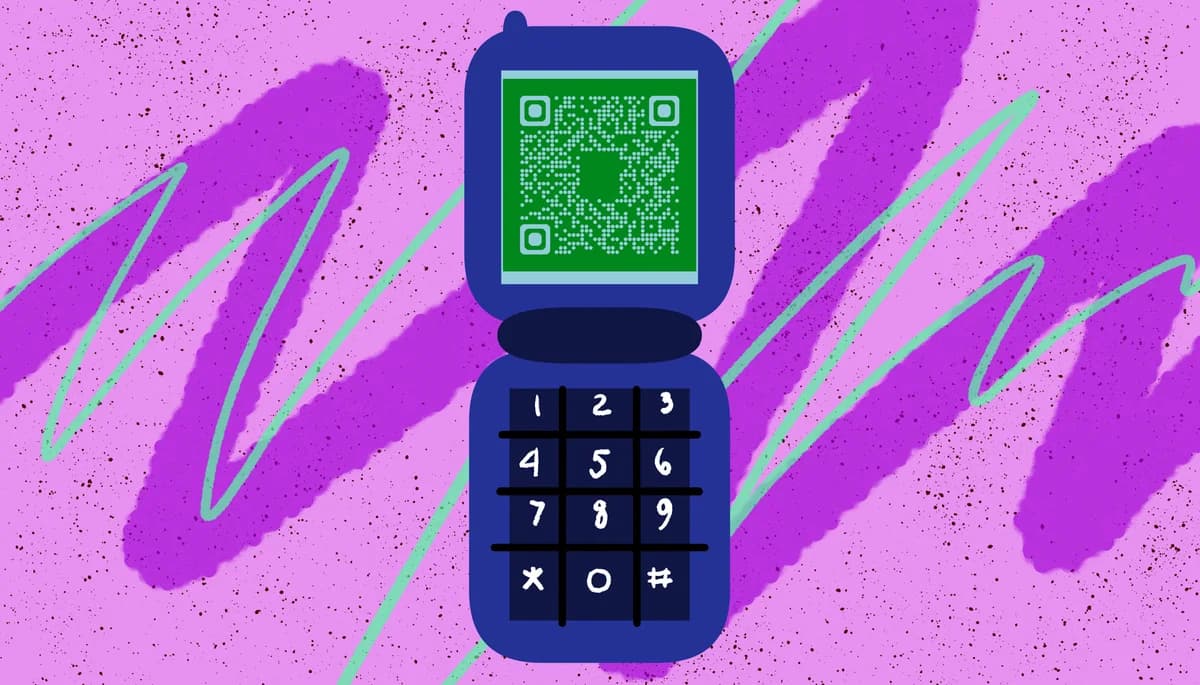
Mobile marketing success depends on reducing friction between customer interest and action. QR codes eliminate barriers that traditionally caused prospect drop-off, but they also introduce new challenges that can derail campaigns if not properly managed.
In this guide I will examines both sides of QR code mobile marketing to help you make strategic decisions. I'll also go over the proven advantages, understand potential pitfalls, and learn implementation frameworks that maximize success while avoiding common mistakes. For marketers ready to get started, our QR Code Developer provides the tools needed to create professional campaigns. So let's dive right in!
Advantages of QR codes in mobile campaigns
QR codes offer compelling benefits that address core mobile marketing challenges. Understanding these advantages helps justify investment and guides strategic implementation decisions.
The most significant benefits center on user experience improvements and campaign measurement capabilities that traditional mobile marketing struggles to achieve.
Instant access eliminates conversion barriers
QR codes remove the friction that kills mobile conversions. Instead of asking customers to type long URLs on small screens or search app stores, scanning provides immediate access to landing pages, product information, or app downloads. This convenience particularly benefits older demographics who struggle with mobile typing and younger users who expect instant gratification.
Comprehensive tracking and analytics
Unlike traditional print advertising, QR codes provide detailed campaign metrics. Marketers can track scan rates, geographic distribution, device types, and time-based patterns. This data reveals which creative elements, locations, and timing generate the strongest response, enabling continuous campaign optimization. Understanding the differences between static vs dynamic QR codes is crucial for maximizing these tracking capabilities.
Cost-effective cross-channel integration
QR codes bridge physical and digital marketing channels without requiring expensive technology infrastructure. A single code can connect print ads, packaging, signage, and promotional materials to websites, social media, or mobile apps. This integration costs significantly less than NFC tags or beacon technology while delivering similar functionality. For businesses looking to enhance their marketing materials, adding QR codes to flyers represents one of the most cost-effective starting points.
Dynamic content flexibility
Dynamic QR codes allow marketers to update destinations without reprinting materials. Seasonal campaigns, product launches, or promotional offers can be modified in real-time while keeping physical marketing materials current. This flexibility extends campaign lifecycles and reduces printing costs. Businesses can leverage this capability for various applications, from restaurant menu updates to promotional campaigns.
Disadvantages and potential drawbacks
Despite clear advantages, QR codes face adoption challenges and implementation risks that can undermine mobile marketing effectiveness. Recognizing these limitations helps set realistic expectations and develop mitigation strategies.
The primary concerns involve user behavior, technical requirements, and security perceptions that vary significantly across demographics and markets.
User adoption remains inconsistent
Many consumers still don't regularly scan QR codes, particularly in certain age groups and geographic regions. Scanning requires specific knowledge about camera functionality and QR code recognition, which not all users possess. This adoption gap limits reach and can result in lower-than-expected campaign performance.
Technical dependency creates failure points
QR code campaigns rely on functioning cameras, internet connectivity, and compatible devices. Poor lighting, damaged codes, or network issues can prevent successful scans. Unlike traditional marketing materials that work independently, QR codes create technical dependencies that can frustrate users and damage brand perception.
Security concerns inhibit scanning
Growing awareness of QR code security risks makes some consumers hesitant to scan unknown codes. Concerns about malicious links, data collection, or unwanted app downloads create psychological barriers that reduce campaign effectiveness. These security perceptions are particularly strong among privacy-conscious demographics. Marketers can address these concerns by understanding QR code safety measures and implementing best practices that build consumer trust.
Design constraints limit creativity
QR codes require specific size, contrast, and placement considerations that can conflict with creative design goals. Codes must be large enough to scan reliably, which consumes valuable real estate on marketing materials. Color and styling options are limited compared to traditional design elements, potentially impacting visual appeal.
Strategic implementation framework
Successful QR code mobile marketing requires systematic planning that addresses both advantages and disadvantages. This framework helps maximize benefits while minimizing risks through strategic decision-making.
Implementation success depends on audience analysis, clear value propositions, and technical execution that meets user expectations for speed and reliability.
Audience readiness assessment
Evaluate your target audience's QR code familiarity and scanning behavior before launching campaigns. Younger, tech-savvy demographics typically show higher adoption rates, while older audiences may need education and incentives. Geographic factors also influence adoption—urban areas generally show higher scanning rates than rural regions. Consider running small pilot campaigns to gauge audience response before major investments.
Value proposition clarity
Clearly communicate what users receive by scanning your QR code. Vague calls-to-action like 'Scan for more info' generate lower response rates than specific benefits like 'Scan for 20% off' or 'Get exclusive video content.' The perceived value must justify the effort required to pull out a phone and scan the code.
Trust signal integration
Include brand logos, clear descriptions, and professional design to build scanning confidence. Users are more likely to scan codes from recognized brands with clear value propositions. Consider adding text like 'Secure QR code' or 'Safe to scan' to address security concerns. Learn more about building secure campaigns in our QR code safety guide.
Mobile-optimized destinations
Ensure QR code destinations load quickly on mobile devices and provide clear, relevant content. Slow-loading pages or desktop-only experiences frustrate users and damage campaign effectiveness. Test scanning experiences across different devices and network conditions to identify potential issues before launch.
Expert recommendations for success
These proven strategies help maximize QR code mobile marketing effectiveness while avoiding common implementation mistakes that derail campaigns.
Test QR codes across multiple devices and lighting conditions before printing to ensure reliable scanning performance
Include clear instructions like 'Point your camera at this code' for audiences unfamiliar with QR code scanning
Place codes at comfortable scanning heights and angles—avoid locations requiring awkward positioning or movement
Create mobile-first landing pages that load in under 3 seconds to prevent scan abandonment
Track and analyze scan data regularly to identify optimization opportunities and campaign performance trends
Frequently Asked Questions
What scan rates should I expect from QR code mobile marketing campaigns?
Scan rates vary significantly based on audience, placement, and value proposition. Well-designed campaigns typically see 15-25% scan rates, while poorly executed ones may achieve less than 5%. Factors like clear benefits, brand trust, and optimal placement significantly impact performance.
How do I measure QR code campaign ROI effectively?
Track scans, conversions, and customer acquisition costs through analytics platforms. Compare QR code campaign performance to traditional mobile marketing channels by measuring cost per lead, conversion rates, and customer lifetime value. Many QR code generators provide detailed analytics dashboards for performance monitoring.
Should I use static or dynamic QR codes for mobile marketing?
Dynamic QR codes offer better campaign flexibility and detailed analytics, making them ideal for most mobile marketing applications. While static codes work for permanent content, dynamic codes allow destination updates and provide valuable performance data that justifies the typically higher cost.
How do I address consumer security concerns about scanning QR codes?
Build trust through professional design, clear branding, and explicit value propositions. Include security messaging like 'Safe to scan' and ensure destinations use HTTPS encryption. Educate your audience about your brand's commitment to data privacy and security best practices.
What's the optimal size for QR codes in mobile marketing materials?
QR codes should be at least 1 inch (2.5 cm) square for reliable scanning, with larger sizes recommended for viewing distances over 3 feet. Consider the scanning environment—codes viewed from further away or in poor lighting need larger dimensions to ensure consistent performance across different devices and conditions.
Related Guides
Ready to create your QR code?
Generate custom QR codes in seconds - free and easy to use.
Create Free QR Code →