Interactive wall QR codes: Complete setup and design guide

Interactive wall installations with QR codes boost visitor engagement by 78% while providing instant access to digital content, multimedia experiences, and real-time information updates.
Key Takeaways
- Interactive wall QR codes increase visitor engagement by up to 78% when properly integrated into space design
- Content strategy matters more than QR code size - focus on delivering immediate value to scanners
- Wall-mounted QR codes require different size and placement considerations than handheld materials
- Regular content updates keep visitors returning and scanning repeatedly
QR codes have revolutionized how many industries and fields handle different operations. But did you know that they can be used for artistic purposes as well as administrative ones? Have you ever seen a giant QR code painted on a wall and wondered what it was for? This is what's known as an interactive wall QR code.
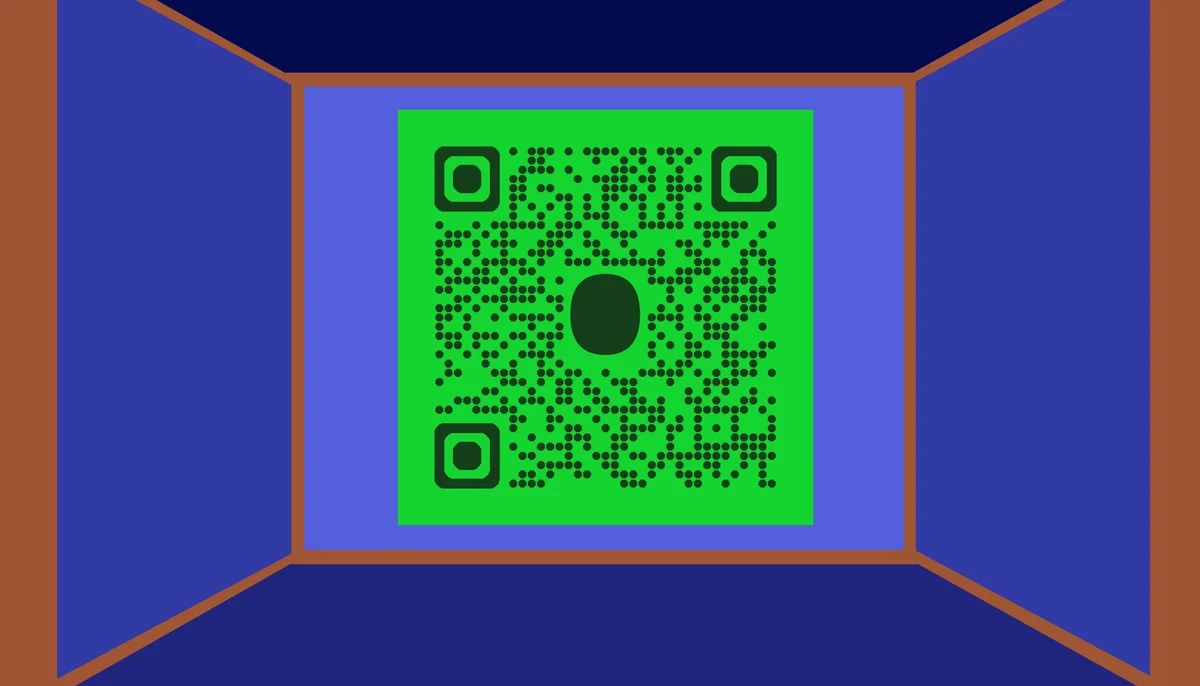
Interactive wall QR codes serve as bridges between physical environments and digital experiences. Museums use them to provide audio tours, retail stores connect customers to product information, and offices display real-time data or announcements. With clever usage, these codes can become integral parts of the wall design rather than afterthoughts.
In this guide I will walk you through the complete process of designing, implementing, and maintaining interactive wall QR code systems. I'll also go over how to create engaging QR code experiences that blend seamlessly with your space's aesthetic while delivering valuable digital content to visitors. So let's dive right in!
Planning your interactive wall design
Successful interactive walls start with understanding your audience and space constraints. Consider foot traffic patterns, viewing distances, and lighting conditions that affect QR code scanning. The wall's purpose determines whether you need single or multiple QR codes and what content they should access.
Design integration separates professional installations from amateur attempts. Your QR codes should complement the wall's visual hierarchy rather than competing with other elements. Consider how the codes will look when not being scanned - they're part of your space's permanent aesthetic.
Audience analysis and traffic flow
Map visitor movement patterns through your space. High-traffic areas work well for informational content, while quieter zones suit longer-form experiences like videos or detailed guides. Consider whether visitors will be walking past quickly or have time to stop and engage. Document peak usage times to plan for concurrent scanning scenarios.
Visual hierarchy and brand integration
Interactive walls succeed when QR codes feel intentional rather than added as afterthoughts. Design the codes as visual elements that support your brand identity. Use custom colors, incorporate logos, or create artistic frames that make scanning feel like part of the intended experience rather than a technical necessity. Consider following QR code design best practices to ensure both aesthetic appeal and functionality.
Content integration strategies
Content strategy determines your interactive wall's success more than QR code placement or design. Visitors scan codes expecting immediate value - whether that's information, entertainment, or utility. Plan content that delivers on this expectation within the first few seconds of accessing it.
Multiple content types can coexist on interactive walls through strategic dynamic QR code implementation. Consider how different codes might serve different visitor needs or provide layered experiences for repeat visitors.
Content hierarchy and user journeys
Structure content to match visitor expectations and attention spans. Primary content should load within 3 seconds and provide clear value. Secondary content can include deeper dives, related resources, or social sharing options. Map user journeys from scan to action completion, identifying potential drop-off points.
Multi-modal content delivery
Interactive walls excel when they provide content in multiple formats. Combine text, images, audio, and video to accommodate different learning styles and accessibility needs. For video content specifically, explore how QR codes can effectively deliver video experiences. Consider offering content in multiple languages for diverse audiences. Plan for both quick information seekers and users who want comprehensive experiences.
Installation and technical setup
Technical implementation requires balancing QR code functionality with aesthetic integration. Wall-mounted codes face unique challenges including lighting variations, viewing angles, and durability requirements. Plan for both immediate functionality and long-term maintenance needs.
Installation considerations extend beyond simply mounting QR codes on walls. Consider power requirements for digital displays, network connectivity for content updates, and physical security for valuable components. Your QR code generator choice impacts both initial setup and ongoing management capabilities.
Physical installation requirements
Wall-mounted QR codes require larger sizes than handheld materials due to increased scanning distances. Minimum 2-inch squares work for distances up to 3 feet, while 4-inch codes accommodate 6-foot scanning distances. Consider mounting height, lighting conditions, and potential obstructions. Use durable materials that withstand environmental factors and cleaning procedures. For permanent installations, QR code stickers designed for durability can provide long-lasting solutions.
Network infrastructure and content management
Interactive walls depend on reliable internet connectivity for dynamic content updates and analytics tracking. Plan for both WiFi and cellular backup options in critical installations. Implement content management systems that allow real-time updates without requiring physical access to the installation. Consider how you'll monitor QR code performance and update content based on usage patterns.
Professional implementation strategies
These proven strategies help create interactive wall installations that engage visitors while maintaining professional aesthetics and reliable functionality.
Test QR codes at multiple distances and angles before final installation to ensure consistent scanning performance across your intended viewing area
Include clear visual cues like 'Scan for more info' text or pointing arrows to guide visitor behavior and increase scan rates
Plan for seasonal or event-based content updates to keep repeat visitors engaged and encourage multiple scans over time
Monitor scanning analytics to identify peak usage times and optimize content delivery for your audience's behavior patterns
Create backup static content displays that remain useful even when QR code systems experience technical issues
Frequently Asked Questions
How large should QR codes be on interactive walls?
Wall-mounted QR codes should be at least 2 inches square for scanning distances up to 3 feet, and 4 inches square for distances up to 6 feet. Factor in your wall height and expected visitor positioning when determining final sizes.
Can I use multiple QR codes on the same interactive wall?
Yes, multiple QR codes work well when they serve different purposes or content types. Space them at least 6 inches apart to prevent scanning confusion and use clear labels to indicate what each code provides.
What's the best content for interactive wall QR codes?
Focus on content that provides immediate value: additional information, multimedia experiences, interactive maps, or exclusive offers. Avoid lengthy text that's difficult to read on mobile devices. Video content and audio guides perform particularly well.
How do I handle lighting issues that affect QR code scanning?
Install dedicated lighting to ensure consistent illumination across your QR codes. Avoid placing codes in areas with strong backlighting or reflective surfaces. Test scanning performance at different times of day to identify and address lighting problems.
Should I use static or dynamic QR codes for interactive walls?
Dynamic QR codes are recommended for interactive walls because they allow content updates without changing the physical installation. This flexibility is essential for maintaining visitor engagement and updating information as needed.
Related Guides
Ready to create your QR code?
Generate custom QR codes in seconds - free and easy to use.
Create Free QR Code →