Call to action QR codes: Drive instant engagement

Bridge the gap between offline marketing and digital action with QR codes that compel immediate customer response.
Key Takeaways
- Specific action-oriented language increases scan rates by up to 40% compared to generic "scan me" messages
- QR code placement should align with natural reading patterns and customer decision-making moments
- Mobile-first landing pages are crucial since 95% of QR code scans happen on smartphones
- Testing different call to action phrases helps identify what resonates with your specific audience
You might notice that traditional marketing materials often end with generic phrases like "visit our website" or "call for more information," leaving customers to manually type URLs or remember phone numbers. However, QR codes can eliminate this struggle by creating instant bridges between physical marketing and digital engagement.
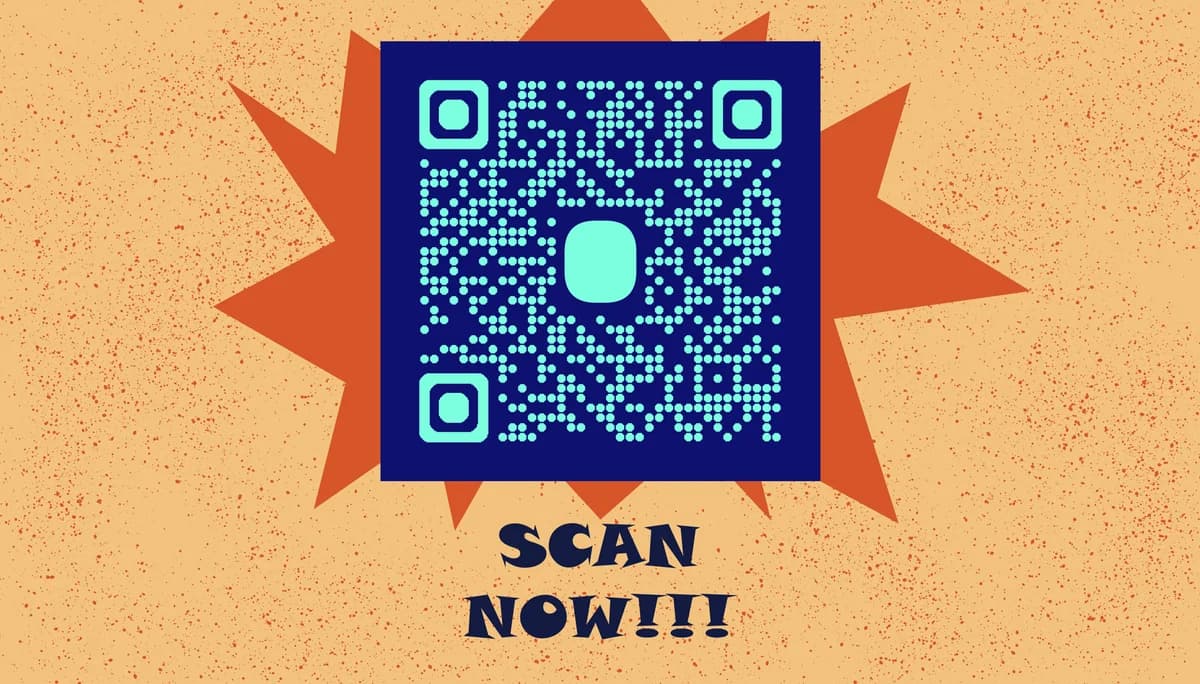
Call to action QR codes transform passive viewers into active participants in an instant by making the next step effortless. Instead of hoping customers will remember to visit your website later, you can guide them to take immediate action with a simple scan.
In this guide I will go over how to create QR codes that drive specific actions, from newsletter signups to product purchases. I'll also discuss proven strategies for placement, design, and messaging that turn casual encounters into meaningful customer interactions. So let's dive right in!
Types of call to action QR codes
Different marketing goals require different QR code approaches. Understanding the various types helps you choose the right strategy for each campaign. Each type serves a specific purpose in your customer journey and requires tailored messaging to be effective.
The most successful campaigns often combine multiple QR code types across different touchpoints, creating a cohesive experience that guides customers from awareness to action.
Lead generation QR codes
These QR codes direct users to landing pages designed to capture contact information. Common examples include newsletter signups, free resource downloads, or consultation requests. The key is offering immediate value in exchange for contact details. Your QR codes for landing pages should focus on a single, compelling offer rather than multiple options that might confuse users.
Direct purchase QR codes
These codes eliminate steps between interest and purchase by linking directly to product pages or checkout processes. They work particularly well for limited-time offers, seasonal promotions, or impulse purchases. The landing page should maintain the urgency and clarity established in your offline marketing material.
Social engagement QR codes
Social media QR codes encourage users to follow, like, or share your content across platforms. Instagram QR codes and Facebook QR codes can significantly boost your social following when placed strategically on packaging, business cards, or event materials.
Information request QR codes
These codes provide detailed information that wouldn't fit on your marketing material. Examples include product specifications, ingredient lists, or detailed service descriptions. They're particularly effective for restaurant menus or complex products that require explanation.
Creating compelling CTA QR codes
The technical creation of your QR code is just the beginning. The real work lies in crafting messages and experiences that motivate action. Every element from your call to action text to your landing page design influences whether users complete your desired action.
Success depends on alignment between your offline message, QR code design, and digital destination. Inconsistency at any point breaks the user experience and reduces conversion rates.
Craft action-oriented messaging
Replace generic phrases like "scan here" with specific benefits. Instead of "Learn more," try "Get your free guide" or "See pricing options." Your message should clearly communicate what happens after scanning and why it's worth the user's time. Action words like "discover," "claim," "access," and "join" create urgency and expectation.
Design for immediate recognition
Your QR code should stand out without overwhelming your design. Use sufficient contrast and size - QR codes smaller than 1 inch square often fail to scan properly. Consider adding your brand colors or logo to the code itself, but ensure scannability isn't compromised. Test every design variation with multiple devices before finalizing.
Create seamless mobile experiences
Since users will access your content on mobile devices, your destination must be mobile-optimized. Fast loading times, clear navigation, and minimal form fields increase completion rates. Consider using QR Code Developer to ensure your codes work reliably across all smartphone cameras and QR scanning apps.
Strategic placement and design
Where you place your QR code often matters more than the code itself. Strategic placement considers user context, device accessibility, and natural interaction patterns. The best locations make scanning feel like a natural next step rather than an interruption.
Successful placement also considers timing - when is your audience most likely to have their phone available and motivation to take action? Understanding these moments helps you position QR codes for maximum impact.
Optimal positioning strategies
Place QR codes where users naturally pause or look for more information. On flyers, position them near compelling headlines or benefit statements. On product packaging, place them near ingredient lists or usage instructions. Avoid corners or areas that might be covered by hands or other materials during use.
Size and contrast considerations
QR codes need sufficient size and contrast to scan reliably. A minimum of 1x1 inch ensures most smartphone cameras can read the code from a comfortable distance. High contrast between the code and background improves scan success rates. Test your codes in various lighting conditions to ensure consistent performance.
Context-appropriate messaging
Your call to action should match the user's situation and mindset. A QR code on a business card might say "Connect on LinkedIn," while one on a product package might say "Register for warranty." Consider what the user is trying to accomplish when they encounter your code.
Proven strategies for maximum engagement
These tested approaches can significantly improve your QR code scan rates and conversion outcomes:
Test multiple call to action phrases with small audiences before full deployment - even minor wording changes can double scan rates
Include a brief explanation of what users will find after scanning, such as "Scan for exclusive discount code" rather than just "Scan here"
Ensure your landing page loads within 3 seconds on mobile devices - slow pages cause 70% of users to abandon the action
Use tracking parameters in your URLs to measure which QR code placements generate the most engagement and conversions
Always include a fallback option like a short URL for users who prefer typing or have scanning difficulties
Frequently Asked Questions
What makes a call to action QR code different from a regular QR code?
Call to action QR codes focus on driving specific user behaviors rather than just providing information. They combine compelling messaging, strategic placement, and optimized landing pages to encourage immediate action like purchases, signups, or social media follows.
How do I measure the success of my call to action QR codes?
Track both scan rates and conversion rates using URL parameters or dedicated landing pages. Monitor metrics like time spent on page, form completions, and subsequent user actions. Most QR code generators provide basic analytics, while Google Analytics offers more detailed insights.
Should I use different QR codes for different marketing materials?
Yes, using unique QR codes for each placement helps you identify which materials generate the best response. This data guides future marketing decisions and helps you allocate budget to the most effective channels.
What's the best size for a call to action QR code?
Aim for at least 1x1 inch (2.5x2.5 cm) for printed materials. Larger codes scan more reliably and can be read from greater distances. For digital displays, ensure the code remains clearly visible and scannable even when viewed from typical distances.
How do I handle users who can't or won't scan QR codes?
Always provide alternative access methods like short URLs, phone numbers, or website addresses. This ensures you don't exclude potential customers who prefer traditional methods or have accessibility needs that make QR code scanning difficult.
Related Guides
Ready to create your QR code?
Generate custom QR codes in seconds - free and easy to use.
Create Free QR Code →