QR Codes in Pop Culture: How They Took Over Music, TV, and More

QR codes have moved well beyond restaurant menus — they now appear in music videos, stadium concerts, award-show broadcasts, and blockbuster merch drops, connecting fans to exclusive content the moment they scan.
Key Takeaways
- QR codes went mainstream through high-profile pop culture moments like the 2022 Super Bowl, proving that simple, well-placed codes can drive massive engagement.
- Musicians, filmmakers, and TV producers now use QR codes to unlock bonus content, exclusive drops, and fan experiences that deepen connection with their audience.
- According to , 83% of Gen Z are more likely to use QR codes than older generations, making them a natural fit for youth-oriented entertainment.
- You don't need a Super Bowl budget to use QR codes creatively — indie artists, small brands, and content creators use them effectively every day. Adding a QR code to a concert flyer or promotional poster is one of the simplest and most effective starting points.
- Dynamic QR codes let you update the destination URL after printing, which is especially useful for time-sensitive pop culture campaigns like album drops or limited merch releases.
QR code usage has surged in recent years, driven largely by their appearance in pop culture touchpoints like TV ads, concerts, and brand campaigns. When you look into the history and versatility of these codes, it's easy to see why. What started as a boring logistics tool for warehouse inventory has turned into one of the most recognizable symbols in entertainment and media.
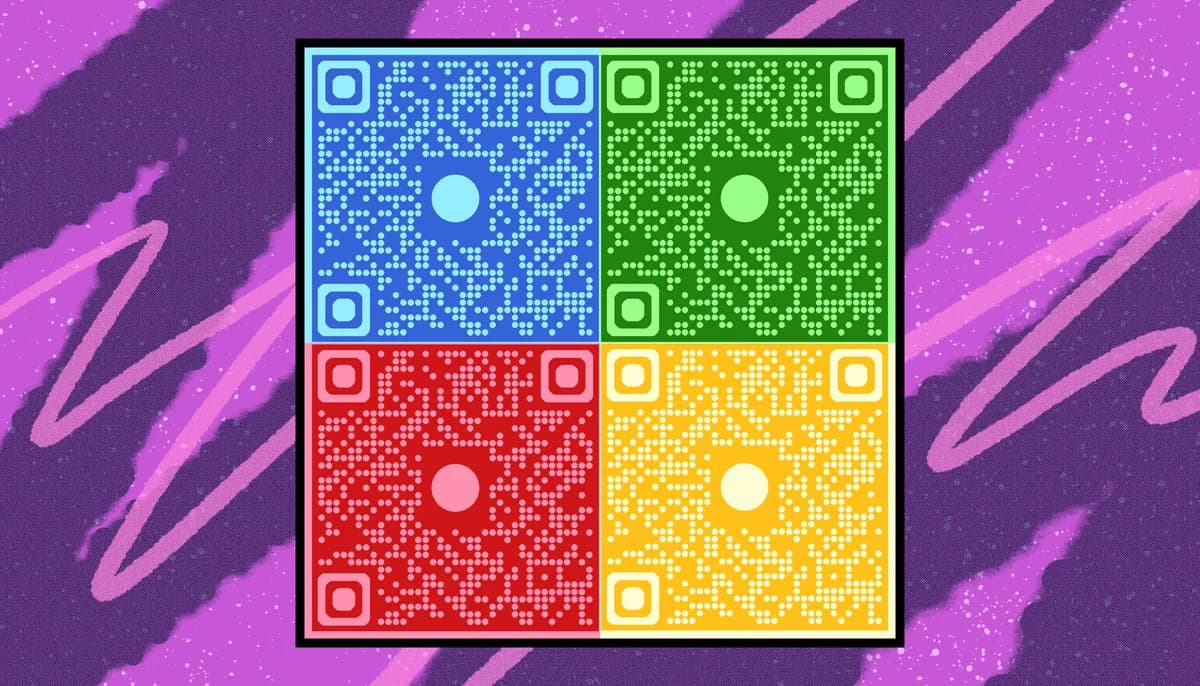
The turning point most people cite is Coinbase's 2022 Super Bowl ad — a bouncing QR code on a black screen that crashed the company's app within minutes. No celebrity. No voiceover. Just a scannable square and the curiosity of 100 million viewers. That moment made it clear that audiences were ready, phone in hand, to interact with content in real time. Since then, the floodgates have opened.
Pop culture and QR codes work well together because both thrive on immediacy. A fan at a concert doesn't want to search for a merch link later — they want to tap and buy while the energy is still there. A viewer watching an awards show doesn't want to Google the album that just dropped — they want to stream it now. QR codes close that gap between the moment and the action.
Where QR codes show up in pop culture — and why it works
Pop culture is a broad category, so it helps to break it down. QR codes have found a home in music, film, television, live events, and social media — each with its own specific use case that makes scanning feel natural rather than forced. Here's a look at the major areas where this is happening right now.
Music releases and album packaging
Artists have started embedding QR codes in physical album packaging, limited-edition vinyl sleeves, and tour programs. Scanning them typically leads to bonus tracks, behind-the-scenes footage, or a direct link to stream the record. Taylor Swift's fan engagement strategy, for example, has long relied on hidden details and Easter eggs — and QR codes fit that model perfectly. A small square tucked inside a gatefold LP becomes a treasure hunt for dedicated fans. For indie artists working without a major label's marketing budget, a QR code on a show flyer or CD insert is a low-cost way to send fans straight to a Spotify page, a Bandcamp exclusive, or a merch store. You can learn how to link directly to your music with a Spotify QR code and build one in minutes.
Television and streaming promotions
Networks and streaming platforms have caught on to the fact that viewers are already holding their phones while watching TV. HBO, Netflix, and others have experimented with QR codes appearing during end credits, in trailers, and even within show props as part of alternate reality games. When a show drops a QR code in a scene — think of it as a clue in a mystery series — fans scan immediately and the clip goes viral on social media. It's a clever way to blur the line between the story world and the real world. Beyond ARGs, studios use QR codes in billboard campaigns to link to trailers, cast interviews, or ticketing pages for premieres.
Live concerts and festivals
Concerts are one of the highest-energy environments for QR code use. Artists and promoters place them on wristbands, stage backdrops, setlist cards, and merchandise tables. Fans scan to buy exclusive show-night merch that won't be available anywhere else, access a digital setlist, or enter a post-show giveaway. At large festivals, QR codes on the back of physical maps direct attendees to interactive digital versions with real-time stage updates. For a deeper look at how to set this up for your own event, the guide on creating event QR codes covers the key steps. The physicality of a live event actually makes scanning feel more rewarding — you're doing something active in a moment that's already charged with excitement.
Brand collaborations and limited-edition drops
Streetwear brands, sneaker companies, and entertainment properties have made QR-gated drops a genuine cultural moment. Supreme, for instance, has used QR codes to authenticate limited pieces. Collaborations between artists and fashion brands — think a musician releasing a capsule collection — often include a QR code on the tag that leads to a short film or a message from the artist. This turns the product into a piece of media in its own right. The scan adds perceived value; it tells the buyer there's more to this than just a T-shirt. For tips on making branded QR codes that fit this kind of campaign, check out these QR code design tips.
Social media and influencer content
QR codes have become a staple of influencer unboxing videos, YouTube outros, and TikTok content. A creator holds up a card with a QR code at the end of a video and tells viewers to scan for a discount, a free download, or a link to their new channel. Because Gen Z audiences are so comfortable scanning — according to TEAM LEWIS — this call to action lands better with younger audiences than a spoken URL ever could. On Instagram Stories, QR codes appear in posts promoting newsletter signups or Patreon pages, adding a layer of trackability that a simple link-in-bio can't always provide.
Tips for using QR codes in your own creative projects
Whether you're an independent musician, a content creator, or a small brand trying to tap into the same energy as these big pop culture moments, the underlying principles are the same. Here's what actually works when you put QR codes in a creative context.
Use a dynamic QR code so you can update the destination after you print. This is critical for anything time-sensitive — a merch drop that sells out, a presale link that expires, or a YouTube video that isn't public yet. Understanding the difference between static vs dynamic QR codes will help you choose the right option for each campaign.
Match the visual style of the QR code to the project. A black-and-white square on a neon concert poster looks like an afterthought. Use a code that incorporates your color palette or includes a logo in the center. Branded codes get scanned more often because they feel intentional rather than tacked on.
Give people a reason to scan right now. Urgency matters. "Scan for exclusive show-night content" works better than "scan to visit our website." The more specific and time-limited the offer, the higher the scan rate.
Test your code at the size it will actually appear. A QR code on a phone screen in a TikTok video needs to be scannable by someone watching on their own phone. Print it large enough, and test it under different lighting conditions before you commit to a print run.
Track your scans. One of the biggest advantages of using a QR code in a creative campaign is that you get real data — how many people scanned, when, and from where. Use that data to understand which placements are working and which aren't worth repeating. The walks through exactly how to set this up.
Frequently Asked Questions
What was the most famous QR code moment in pop culture?
Most people point to Coinbase's 2022 Super Bowl commercial — a 60-second ad that showed nothing but a bouncing QR code on a black screen. Millions of viewers scanned it at once and the company's app crashed from the traffic. It proved that a well-placed QR code in a high-attention moment can drive enormous, measurable action without any traditional advertising frills.
Do QR codes work for small creators, or only for big brands?
They work extremely well for small creators. In fact, independent musicians and creators often see higher engagement rates from QR codes than large corporations do, because their audience has a personal connection to the content. A QR code on a handmade zine or a show poster can be just as effective as one in a major brand campaign — the key is giving people something genuinely worth scanning for.
What should a pop-culture-style QR code link to?
It depends on the context, but the best-performing creative QR codes link to something exclusive or time-sensitive: a bonus track, a private video, a limited merch drop, a fan contest entry, or behind-the-scenes content. The scan should feel like it unlocks something, not just redirect to a homepage that someone could find with a regular Google search.
Can QR codes be part of an alternate reality game (ARG)?
Absolutely — and this is one of the most creative uses of QR codes in entertainment. A QR code can link to a hidden webpage, a cryptic audio file, or the next clue in a multi-step puzzle. TV shows, film campaigns, and musicians have all used ARG-style QR codes to generate buzz and reward their most engaged fans. The format is well suited to storytelling because it bridges the physical and digital worlds in a tangible, immediate way.
How do I make sure my QR code fits the aesthetic of a creative project?
Choose a generator that lets you customize colors, shapes, and add a logo or icon to the center of the code. Avoid default black-and-white codes when you're going for a branded or artistic look. Just make sure there's enough contrast between the foreground and background for the code to scan reliably — high contrast is a technical requirement, not just a design preference.
Related Guides
Ready to create your QR code?
Generate custom QR codes in seconds - free and easy to use.
Create Free QR Code →