using qr codes in agriculture marketing

Farm brands gain a direct channel to shoppers standing in front of their produce, connecting a printed label to harvest photos, recipes, and traceability data without adding staff or overhead.
Use Cases Across the Farm-to-Table Chain
QR codes fit into agriculture marketing at nearly every touchpoint between the field and the checkout counter. Here are the places they tend to work best.
Create QR CodeProduce Labels and Crate Tags
A code stuck on a fruit crate or vegetable bag can link to the specific farm block it was harvested from, giving shoppers a story instead of a generic sticker.
Farmers Market Booths
A code on a table sign lets vendors collect emails for a newsletter or push a same-week discount without printing new flyers every Saturday.
CSA and Subscription Sign-Ups
Instead of a paper form on a clipboard, a scannable link takes people straight to a subscription page where they can choose a box size and delivery day.
Livestock and Dairy Traceability
Codes on egg cartons or milk bottles can show which barn or pasture the product came from, supporting transparency claims that used to be hard to prove.
Agritourism and Farm Tours
A code posted at a pumpkin patch or vineyard entrance can open a self-guided audio tour or map, cutting down on the need for a staffed welcome booth.
Equipment and Input Suppliers
Seed bags and fertilizer packaging can carry a code linking to application instructions or a video, replacing dense text printed on the bag itself.
Why Agriculture Marketing Needs QR Codes
In the old days, a produce stand would rely on a hand-lettered sign and whatever the farmer remembered to say out loud that morning. A crate of tomatoes said nothing about the soil it grew in, the family running the operation, or whether it was picked that week or three weeks ago. Shoppers made decisions based on price and appearance alone, and farms had no way to close that gap once the product left the field.
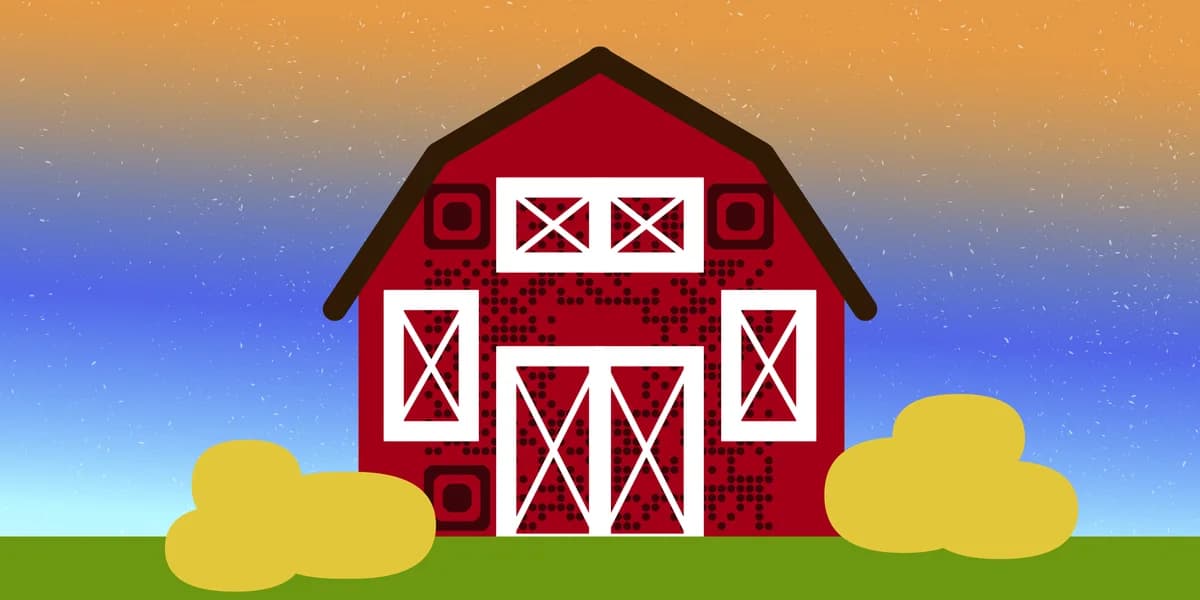
QR codes changed that dynamic without requiring a new sign, a new sales rep, or a new app. A small printed square on a tag, box, or roadside banner now opens a video of the harvest, a page listing certifications, or a simple order form for a CSA box. Smartphone scanning has grown fast enough to make this practical at scale — U.S. scans jumped from 70.6 million in 2020 to 88.9 million in 2022, according to Packaging Dive, and that number is expected to top 100 million by 2025.
For agriculture specifically, the appeal is traceability plus story. Buyers increasingly want to know where their food came from, and a code lets a co-op or family farm answer that question at the exact moment someone is deciding what to put in their cart.
https://www.packagingdive.com/news/qr-code-upc-barcode-smartlabel-smartphone-packaging/652235/
How to Build an Agriculture QR Campaign
Building a working farm QR campaign takes fewer steps than most people expect, but the order matters.
Pick one destination per code
Decide whether the code should lead to a story video, a traceability page, or a sign-up form. One code, one job, keeps the shopper from getting lost.
Build the landing page first
Whether it's a single product page or a simple info sheet, get the content live before generating anything. A code pointed at a blank or unfinished page erodes trust fast.
Generate the code
Paste the finished URL into the free QR code generator and download a high-resolution file suited for print, not just screen viewing.
Print at field-ready sizes
Size the code for the surface it's going on, whether that's a small produce tag or a large roadside banner, and test the scan distance before running a full print batch.
Place it where hands already are
Put the code where shoppers are already looking, such as next to the price sign or on the crate itself, rather than tucked on a side panel nobody checks.
Best Practices for Farm QR Codes
Agriculture settings bring their own conditions — weather, dirt, handling — that general QR advice doesn't always account for.
Print codes on weatherproof tags or laminated cardstock, since produce boxes and outdoor signage face rain, dust, and rough handling during transport.
Test the code after it's printed on the actual crate or bag material, because ink can bleed or fade differently on cardboard versus glossy labels.
Keep a dynamic link behind the code, as explained in the guide to static vs dynamic QR codes, so the destination can be updated season to season without reprinting thousands of produce tags.
Avoid placing codes near where boxes get stacked or strapped, since tape and pallet wrap frequently cover static labels and block the scan.
Use a dynamic QR code for seasonal campaigns like fall festivals or holiday markets, so the same printed sign can point to a new event page each year.
Frequently Asked Questions
Do QR codes work on wet or dirty produce packaging?
They can, as long as the code has a clear quiet zone around it and enough contrast to scan through light dust or condensation. Laminated tags or codes printed directly on plastic film tend to hold up better than paper labels in outdoor conditions.
Can a small farm afford to run a QR code campaign?
Yes. Generating a code costs nothing through a free tool, and the main expense is printing labels or signs the farm likely already needs. There's no app development or subscription required to get started.
What should a produce QR code link to if the farm has no website?
A single landing page works fine, even something as simple as a one-page site listing the farm's story, growing practices, and contact info. It doesn't need to be a full website to give shoppers something worth scanning for.
Are QR codes safe for consumers to scan on food packaging?
Yes, as long as the farm controls the destination link and it isn't tampered with after printing. For more on avoiding tampering risks, the guide on QR code safety covers how to keep codes trustworthy.
Related Guides
Ready to implement your solution?
Generate custom QR codes for your industry in seconds.
Create Free QR Code →